KT&G to cancel 10.866 mln treasury shares, about 9.5% of shares outstanding

Feb.26
KT&G to cancel 10.866 mln treasury shares, about 9.5% of shares outstanding
KT&G said it plans to cancel all treasury shares it holds, totaling 10,866,189 shares, representing about 9.5% of shares outstanding, in line with Korea’s third amendment to the Commercial Act requiring companies to cancel repurchased shares within one year. The company also disclosed progress on its shareholder-return plan and multiple agenda items for next month’s shareholders meeting.

Key Takeaways


  • Event: On Feb. 25, KT&G’s board announced a plan to cancel all treasury shares held—10,866,189 shares—about 9.5% of KT&G’s shares outstanding;
  • Background: Korea’s third amendment to the Commercial Act emphasizes cancelling repurchased shares within one year;
  • Next steps: For future stock compensation for employees and executives, KT&G plans to purchase shares directly in the market and dispose of them;
  • Shareholders meeting: On March 26, KT&G plans to consider a treasury-share holding and disposal plan, charter revisions, and audit-committee-related agenda items.


2Firsts, February 26, 2026 


According to Chosun Biz, KT&G said, while resolving to convene its 39th regular general meeting of shareholders, that it will cancel all treasury shares it currently holds, totaling 10,866,189 shares, or about 9.5% of KT&G’s shares outstanding.


The move reflects the legislative intent of the “third amendment to the Commercial Act,” which has passed a plenary session of Korea’s National Assembly. The amendment centers on mandating the cancellation of treasury shares, requiring companies that repurchase their own shares to cancel them within one year.


KT&G also said that if it uses shares in the future for stock compensation to employees and executives, it will instead purchase shares directly in the market and dispose of them.


In a 2024 disclosure, KT&G presented a corporate-value enhancement plan centered on shareholder returns of KRW 3.7 trillion (about $2.85 billion, calculated at roughly KRW 1,300 per $1) over four years—KRW 2.4 trillion (about $1.85 billion) in dividends plus KRW 1.3 trillion (about $1.00 billion) in treasury-share purchases and cancellations. Since then, from 2024 through last year, KT&G said it returned KRW 1.2 trillion (about $923 million) to shareholders in dividends and carried out treasury-share purchases and cancellations totaling KRW 1.1 trillion (about $846 million), involving 9.05 million shares.


The report also said KT&G has completed the cancellation of 10.1 million treasury shares already held. Including new treasury-share purchases and cancellations, cumulative treasury-share cancellations amount to 14.3% (a total of 19.15 million shares) compared with the number of shares outstanding at the end of 2023.


At the shareholders meeting scheduled for March 26, KT&G plans to submit agenda items including approval of a plan for holding and disposing of treasury shares, approval of the financial statements, partial amendments to the articles of incorporation—such as increasing the number of separately elected audit committee members to two—and the appointment of outside directors who will serve on the audit committee.


In particular, considering the intent of the amended Commercial Act focused on protecting minority shareholder rights, KT&G plans to revise its articles of incorporation to allow an integrated cumulative voting system by deleting a provision that had classified the “representative director-president” and other directors into separate groups for the application of cumulative voting.


In addition, the report said the appointment of two new outside directors who will serve on the audit committee (one to be separately elected) and approval of the limit on directors’ remuneration are expected to be submitted as agenda items.


KT&G said that, to actively reflect the intent of the amended Commercial Act, it submitted the cancellation of all treasury shares held as an agenda item for this shareholders meeting, adding that it will continue to work to enhance corporate value and increase shareholder value based on what it described as best-in-class corporate governance competitiveness in Korea.


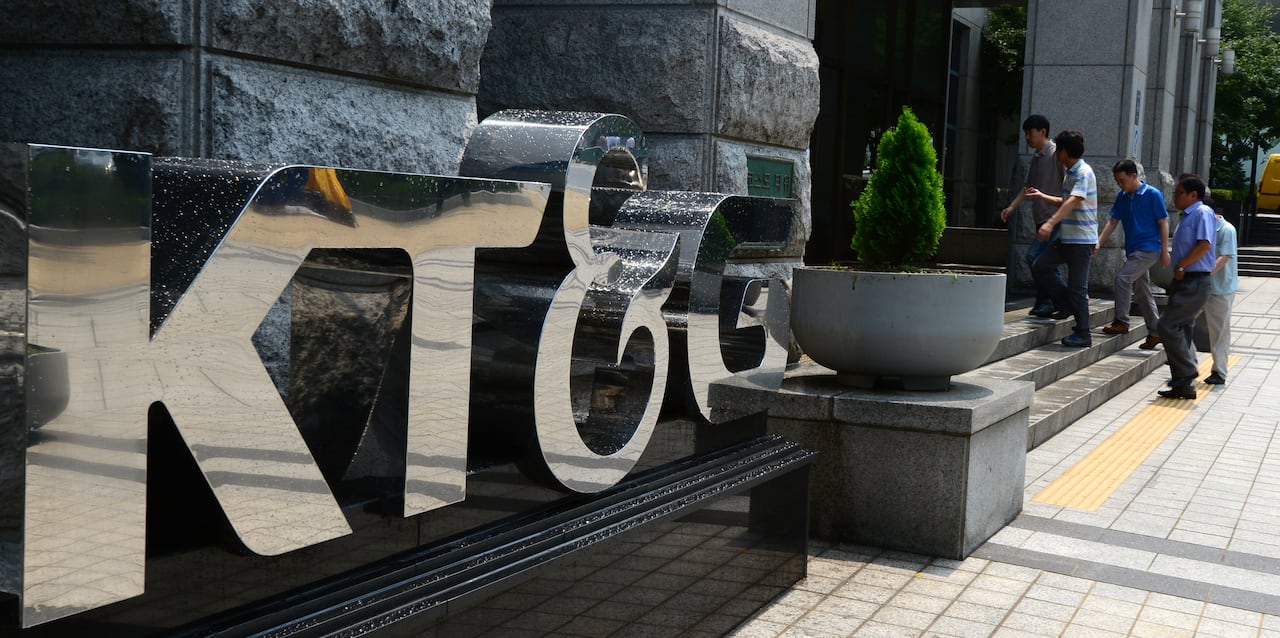
Cover image source: Chosun Biz

FDA Tobacco Proposal Signals Full-Chain Compliance Test for Global E-Cigarette Supply Chains
FDA’s proposed foreign tobacco establishment registration and product listing rule remains unfinished, but Accorto told 2Firsts it reflects a shift toward structured oversight similar to medical device and pharmaceutical compliance frameworks. For Chinese and global e-cigarette suppliers, U.S. market access is moving beyond product authorization toward full-chain compliance covering manufacturing, documentation, import control, distribution, retail and marketing discipline.
Special Report
Jul.09
Germany Expands Take-Back Rules for Disposable Vapes From July 1
Germany has expanded take-back obligations for disposable vapes from July 1, 2026, requiring consumers to be able to return used devices at stores that sell such products, including kiosks, petrol stations and vape shops, as e-cigarette regulation extends from sales to waste management and lithium-battery safety.
Market
Jul.06 by 2Firsts Perspectives
JT Plans ¥800 Billion Investment in Heated Tobacco Over Three Years, Betting on Ploom as Second Growth Engine
Japan Tobacco Inc. (JT) CEO Takehiko Tsutsui said the company plans to invest about ¥800 billion (approximately US$5.4 billion) in heated tobacco products over three years through 2028, aiming to establish Ploom as a second growth engine after combustible cigarettes. Tsutsui said Ploom AURA helped JT increase its share of Japan’s heated tobacco market to 15.8% in the first quarter of 2026. Ploom products are now available in 29 markets, with Ploom AURA sold in 25 markets including Japan. JT also plans to continue its cigarette business while positioning its food operations, particularly frozen noodle products in North America, as another growth opportunity.
Jul.23
Product | APUS Launches Chloe 50K, Bringing Purse-Inspired Design to the U.S. High-Puff Disposable Market
APUS has introduced the Chloe 50K disposable vape, which has appeared across U.S.-facing online retail channels including Element Vape and Vapesourcing. The device combines a purse-inspired body and chain attachment with a 20ml e-liquid capacity, 1,250mAh rechargeable battery, dual mesh coil, and battery and e-liquid indicators. It is rated for up to 50,000 puffs. The product does not appear on the FDA’s current list of authorized e-cigarettes, and U.S. retail availability does not indicate FDA marketing authorization.
Jul.15
PMI’s ZYN Launches Loyalty Platform in Mexico, Tapping World Cup Viewing Scenes for Nicotine Pouch Marketing
PMI’s nicotine pouch brand ZYN has launched the ZYN Club loyalty platform in Mexico and introduced ZYN Live Stadium viewing experiences around football matches, showing how nicotine pouch brands are using rewards, limited benefits and offline consumption settings to reach adult consumers.
Jun.29
Special Report | Russia, Ukraine and Belarus Launch Fresh Push to Rein in Vaping
Russia, Ukraine and Belarus are tightening vape regulation through different tools, from Ukraine’s stronger enforcement push and Belarus’s proposed advertising restrictions to Russia’s new GOST standard and regional sales-ban mechanism. As black-market concerns persist, some Russian experts argue that China’s tightly controlled but legalised model — built around licensing, traceability and taxation — may offer a more effective alternative to blanket prohibition.
Jul.15