Key Points
- The Liverpool City Region is considering tougher advertising rules covering junk food, sugary drinks and vapes.
- The proposed approach would apply to publicly owned assets such as trains, ferries and buses.
- Mayor Steve Rotheram says the aim is to reduce children’s exposure to products that harm health in everyday spaces.
- Some local authorities have already introduced similar bans, including Sefton Council.
- The proposal is due to be discussed at a Combined Authority meeting on Friday amid wider concerns about health inequalities.
2Firsts, January 23, 2026
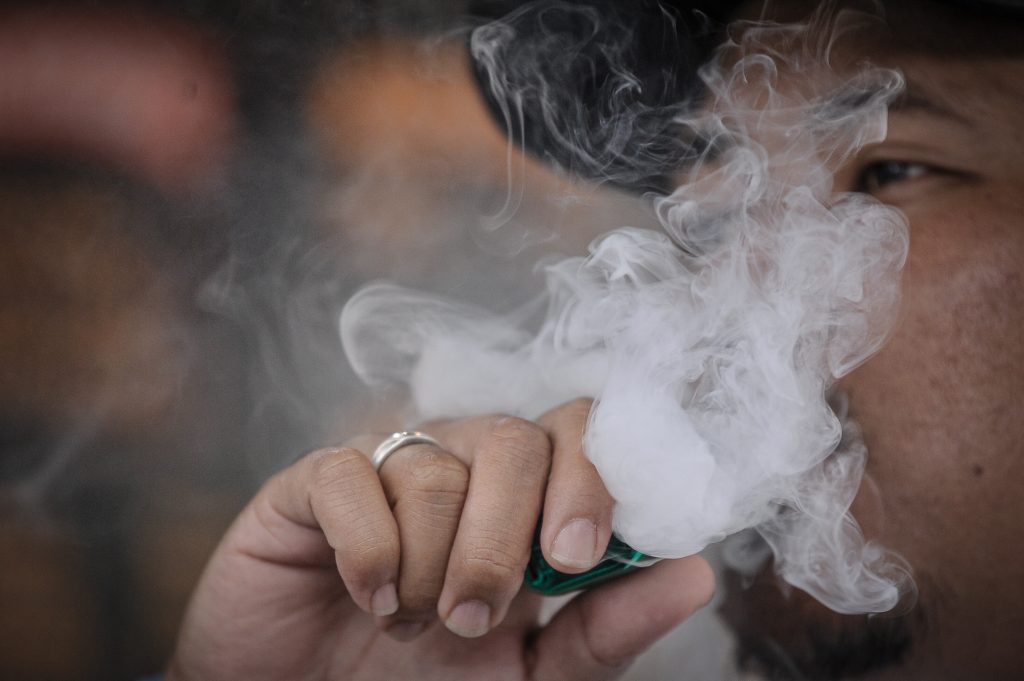
According to the BBC, the Liverpool City Region is considering a region-wide plan to restrict advertising for junk food, sugary drinks and vapes across publicly owned assets, including trains, ferries and buses.
Mayor Steve Rotheram said advertising displayed on public infrastructure should serve the public interest, and that children in some communities are growing up surrounded by marketing for products that damage their health.
Rotheram linked the proposal to efforts aimed at promoting healthier lifestyles and narrowing health inequalities, noting that the communities most impacted by poor diet and ill health are often the poorest. He also pointed to local precedents, saying some councils have already brought in their own bans, including Sefton Council.
The Combined Authority cited local data indicating that junk food adverts appear far more often in the most deprived parts of the city region, where children are significantly more likely to have excess weight compared with peers in less disadvantaged areas.
A University of Liverpool academic added that children’s food preferences form early in life, and that earlier interventions encouraging healthier choices can shape long-term health outcomes.
Image source: BBC
We welcome news tips, article submissions, interview requests, or comments on this piece.
Please contact us at info@2firsts.com, or reach out to Alan Zhao, CEO of 2Firsts, on LinkedIn
Notice
1. This article is intended solely for professional research purposes related to industry, technology, and policy. Any references to brands or products are made purely for objective description and do not constitute any form of endorsement, recommendation, or promotion by 2Firsts.
2. The use of nicotine-containing products — including, but not limited to, cigarettes, e-cigarettes, nicotine pouchand heated tobacco products — carries significant health risks. Users are responsible for complying with all applicable laws and regulations in their respective jurisdictions.
3. This article is not intended to serve as the basis for any investment decisions or financial advice. 2Firsts assumes no direct or indirect liability for any inaccuracies or errors in the content.
4. Access to this article is strictly prohibited for individuals below the legal age in their jurisdiction.
Copyright
This article is either an original work created by 2Firsts or a reproduction from third-party sources with proper attribution. All copyrights and usage rights belong to 2Firsts or the original content provider. Unauthorized reproduction, distribution, or any other form of unauthorized use by any individual or organization is strictly prohibited. Violators will be held legally accountable.
For copyright-related inquiries, please contact: info@2firsts.com
AI Assistance Disclaimer
This article may have been enhanced using AI tools to improve translation and editorial efficiency. However, due to technical limitations, inaccuracies may occur. Readers are encouraged to refer to the cited sources for the most accurate information.
We welcome any corrections or feedback. Please contact us at: info@2firsts.com