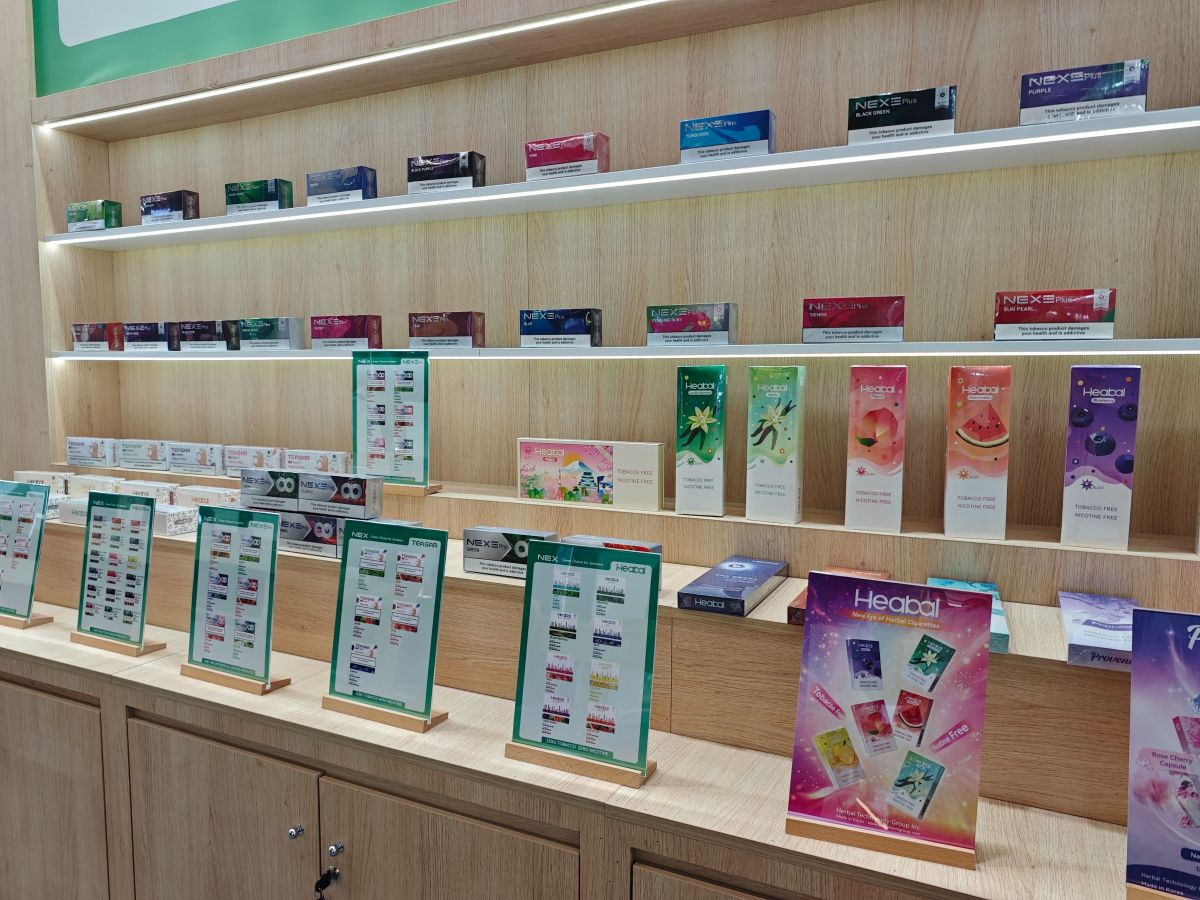
According to Malaysian media "Malaysia Insights" reported on April 24, the Malaysia Federation of Grocery Merchants Associations (FSGMAM) stated today that the government's new policy to crack down on smoking, which bans the display of cigarettes and e-cigarette products in convenience stores, will bring significant financial pressure to operators.
The Malaysian Grocers Association understands the government's intentions in cracking down on smoking, but such smoking bans may further strain merchants' operations. The association's statement was in response to the Ministry of Health's proposal in the "Public Health Act 2024 (Act 852)" to ban the display of cigarette and e-cigarette plain packaging in stores. The merchant alliance is urging the government to consult the public on these measures.
The president of the association, Hong Chee Meng, stated in a declaration, "The ban on displays will result in retailers needing to increase in-store adjustment costs to comply with these regulations, which will bring us a significant additional financial burden that we cannot afford." He believes, "This also adds to the operational complexity of retail stores. Retailers need to adjust to cover products and place them out of sight of customers, which means that every time a customer comes to purchase these products, retailers need to locate the products for transaction."
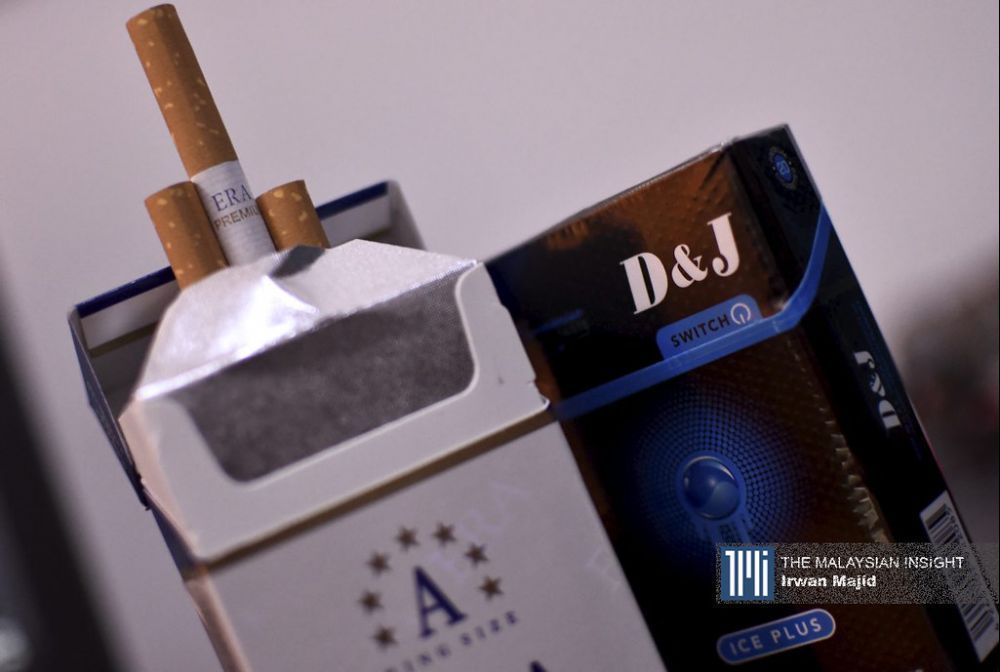
He further added that the requirements for flat packaging will make every product appear the same in color and shape, making it more difficult to differentiate specific brands or products.
The government must address the issue of rising smoking rates in Malaysia caused by illegal cigarettes. When proposing to ban the display of products and introduce plain packaging requirements, the Ministry of Health should also take strict measures against illegal cigarette operators to reduce smoking rates. The real reason smoking is still prevalent is the availability of cheap and easily accessible illegal cigarettes," said Hong Chiming.
Hong Zhiming also stated that the association has written two letters to the Ministry of Health, requesting a meeting to discuss and obtain information related to their proposed measures.
However, up to this point, we have not received any notification from the Ministry of Health regarding any meetings to discuss this matter. This is unfair to retailers who are on the front lines and stand to be most affected by these proposed measures, as they have not been provided any detailed information about the implementation of this proposal.
He said that such regulations have brought serious challenges to retailers who are already facing unprecedented economic pressures.
"We would like to make it clear that retailers are not opposed to the Ministry of Health implementing regulations to prevent smoking or e-cigarette use. However, these regulations must be sensible, effective, and balanced in order to be implemented without significantly impacting retail businesses," he added.
We welcome news tips, article submissions, interview requests, or comments on this piece.
Please contact us at info@2firsts.com, or reach out to Alan Zhao, CEO of 2Firsts, on LinkedIn
Notice
1. This article is intended solely for professional research purposes related to industry, technology, and policy. Any references to brands or products are made purely for objective description and do not constitute any form of endorsement, recommendation, or promotion by 2Firsts.
2. The use of nicotine-containing products — including, but not limited to, cigarettes, e-cigarettes, nicotine pouchand heated tobacco products — carries significant health risks. Users are responsible for complying with all applicable laws and regulations in their respective jurisdictions.
3. This article is not intended to serve as the basis for any investment decisions or financial advice. 2Firsts assumes no direct or indirect liability for any inaccuracies or errors in the content.
4. Access to this article is strictly prohibited for individuals below the legal age in their jurisdiction.
Copyright
This article is either an original work created by 2Firsts or a reproduction from third-party sources with proper attribution. All copyrights and usage rights belong to 2Firsts or the original content provider. Unauthorized reproduction, distribution, or any other form of unauthorized use by any individual or organization is strictly prohibited. Violators will be held legally accountable.
For copyright-related inquiries, please contact: info@2firsts.com
AI Assistance Disclaimer
This article may have been enhanced using AI tools to improve translation and editorial efficiency. However, due to technical limitations, inaccuracies may occur. Readers are encouraged to refer to the cited sources for the most accurate information.
We welcome any corrections or feedback. Please contact us at: info@2firsts.com