Morgan Stanley, has labeled Philip Morris International (PM) as a top pick in both the food and tobacco sectors. Analyst Pamela Kaufman has identified an attractive 4:1 risk-reward profile on the stock, suggesting that the recent pullback has created an enticing entry point for investors.
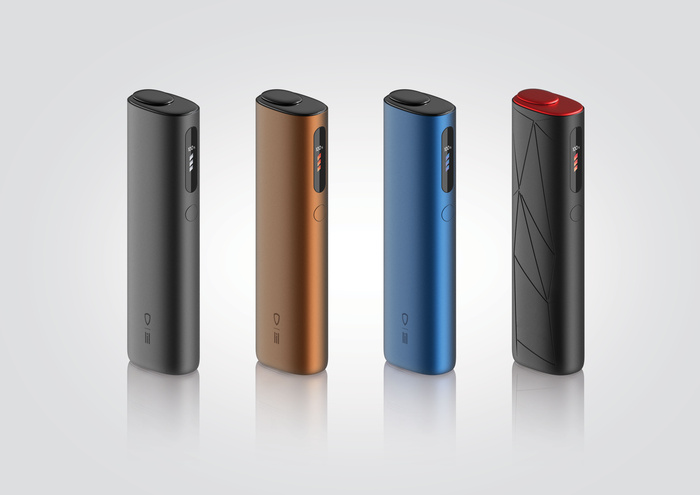
One of the key reasons provided by Morgan Stanley to buy shares of Philip Morris International is the accelerating adoption of IQOS, a popular tobacco product, supported by the ILUMA rollout. Additionally, the Rapid Zyn growth in the U.S. presents an opportunity for international expansion.
The company is also believed to have an appealing chance to penetrate the U.S. market for IQOS, while keeping investment spending under control. In terms of valuation, Philip Morris International is considered attractive compared to its peers in the Staples sector. The company's improving business mix, strong pricing power, U.S. expansion opportunity, and promising growth profile are factors that contribute to its appeal.
Currently, PM is trading at a 14.5x NTM P/E ratio, which is 14% below its 10-year average of 16.8x. Furthermore, the stock is trading at a 37% discount compared to peers, a significant difference when compared to the average 20% discount observed over the past decade. PM is also available at a 26% discount to the S&P 500, unlike the usual 2% discount. On the balance sheet, Philip Morris International is expected to resume share buybacks and increase its dividend annually by 3%, providing additional incentives for investors.
Morgan Stanley has given Philip Morris International a Buy rating, along with a price target of $118. This indicates the firm's confidence in the stock's potential to generate favorable returns. In the premarket session, shares of Philip Morris International were trading flat at $96.80. This is within the 52-week range of $82.85 to $105.62.
Reference:
Disclaimer
This article is provided solely for professional research, industry discussion, and informational purposes. Any references to brands, companies, products, technologies, or policies are made for factual reporting and analytical purposes only, and do not constitute endorsement, recommendation, promotion, or advertising by 2Firsts.
Nicotine-containing products, including but not limited to cigarettes, e-cigarettes, heated tobacco products, and nicotine pouches, carry significant health risks. Readers are responsible for complying with all applicable laws and regulations in their respective jurisdictions, including age restrictions and access limitations.
The information contained in this article should not be regarded as investment, legal, medical, regulatory, or commercial advice. While 2Firsts strives to ensure the accuracy and reliability of its content, it does not assume liability for any direct or indirect loss arising from errors, omissions, inaccuracies, or reliance on the information contained herein.
This article is not intended for individuals below the legal age for accessing tobacco or nicotine-related information in their jurisdiction.
Copyright Notice
This article is either original content produced by 2Firsts or content reproduced, translated, summarized, or adapted from third-party sources with attribution where applicable. The intellectual property rights of the original content remain with 2Firsts or the respective original rights holders.
No individual or organization may copy, reproduce, distribute, republish, modify, translate, or otherwise use this content without prior authorization. Any unauthorized use may result in legal action.
For copyright-related inquiries, corrections, or removal requests, please contact: info@2firsts.com.
AI-Assisted Translation and Editing Notice
Portions of this article may have been translated, edited, or reviewed with the assistance of artificial intelligence tools to improve efficiency and readability. Due to the limitations of AI-assisted translation and editing, discrepancies, omissions, or inaccuracies may exist when compared with the original source.
Where applicable, readers are advised to refer to the original source for the most complete and accurate information. If you identify any errors or believe that any content infringes upon your rights, please contact us at info@2firsts.com, and we will review and address the matter promptly.