New Zealand Asthma Foundation Launches Campaign to Discourage Youth E-Cigarette Use

Regulations by 2FIRSTS.ai
Dec.26.2023
New Zealand Asthma Foundation Launches Campaign to Discourage Youth E-Cigarette Use
New Zealand Asthma and Respiratory Foundation encourages teenagers to quit e-cigarettes and enjoy the outdoors during the holiday season.

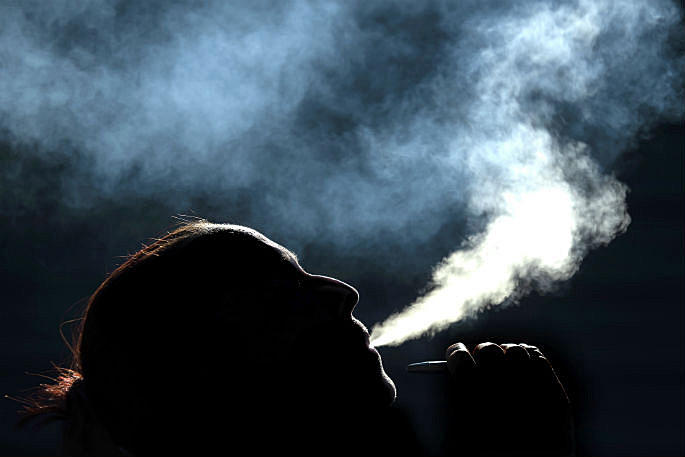
On December 26th, Sun Media, a New Zealand media outlet, reported that the Asthma and Respiratory Foundation New Zealand has launched a campaign during the holiday season to encourage teenagers to quit e-cigarettes. The campaign urges participants to share photos from their outdoor adventures on social media.


Foundation CEO Leticia Harding emphasized the importance of finding tranquility outdoors, stating that it does not come from e-cigarettes. She expressed a desire for more young people to fully embrace the peacefulness of the outdoors, particularly during the summer season, prioritizing their health and distancing themselves from e-cigarettes.


New Zealand teenage e-cigarette usage has nearly doubled in the past year, according to recent data, raising concerns for the foundation. Letisha emphasized the need to educate teenagers about utilizing their time more effectively, which is the goal of this campaign.


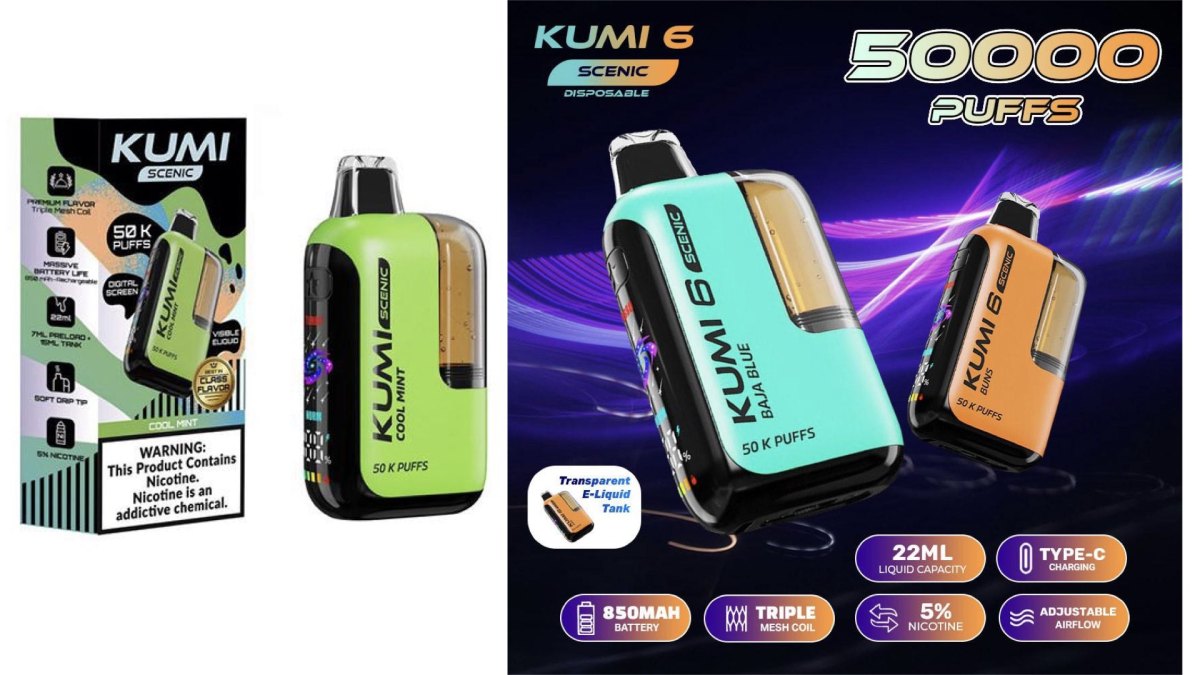
Leticia stated that starting from Thursday, the sale of disposable e-cigarettes without batteries, child safety mechanisms, or those that do not comply with the new labeling requirements and contain more than 20 milligrams/milliliters of nicotine will be considered illegal. The forthcoming regulations on e-cigarettes will also assist the foundation in addressing the youth e-cigarette epidemic.


We welcome news tips, article submissions, interview requests, or comments on this piece.

Please contact us at info@2firsts.com, or reach out to Alan Zhao, CEO of 2Firsts, on LinkedIn


Notice

1.  This article is intended solely for professional research purposes related to industry, technology, and policy. Any references to brands or products are made purely for objective description and do not constitute any form of endorsement, recommendation, or promotion by 2Firsts.

2.  The use of nicotine-containing products — including, but not limited to, cigarettes, e-cigarettes, nicotine pouchand heated tobacco products — carries significant health risks. Users are responsible for complying with all applicable laws and regulations in their respective jurisdictions.

3.  This article is not intended to serve as the basis for any investment decisions or financial advice. 2Firsts assumes no direct or indirect liability for any inaccuracies or errors in the content.

4.  Access to this article is strictly prohibited for individuals below the legal age in their jurisdiction.


Copyright


This article is either an original work created by 2Firsts or a reproduction from third-party sources with proper attribution. All copyrights and usage rights belong to 2Firsts or the original content provider. Unauthorized reproduction, distribution, or any other form of unauthorized use by any individual or organization is strictly prohibited. Violators will be held legally accountable.

For copyright-related inquiries, please contact: info@2firsts.com


AI Assistance Disclaimer


This article may have been enhanced using AI tools to improve translation and editorial efficiency. However, due to technical limitations, inaccuracies may occur. Readers are encouraged to refer to the cited sources for the most accurate information.

We welcome any corrections or feedback. Please contact us at: info@2firsts.com

WIRED Investigation: Chinese-Made Vapes Turn to 6-Methyl-Nicotine and Other Analogs, Challenging U.S. Regulation
U.S. technology and investigative publication WIRED has examined how nicotine analogs are emerging as a new challenge for the country’s vape regulatory framework. The article argues that after the U.S. expanded federal oversight of nicotine products in 2022, some manufacturers began using nicotine-like compounds such as 6-methyl-nicotine that may fall outside existing definitions. Researchers cited by WIRED said some nicotine analogs could be more potent than traditional nicotine, although human health impacts remain unclear. U.S. policymakers are considering broader definitions of nicotine to bring these compounds under federal oversight.
Jul.27
Vietnam’s Vape Crackdown Expands From Ban Proposal to Grassroots Enforcement
Vietnam tightens e-cigarette rules. Health Ministry proposes banning production, trade, transport, storage, ads, promotion, sponsorship, and use of e-cigarettes, heated tobacco, and new products. Hanoi also urges residents to report illegal activities, showing enforcement moves from lawmaking to local action.
Jul.08
Hunan China Tobacco Industry files heated tobacco device patent featuring adult-user identification through pressure sensing
China-based Hunan China Tobacco Industry Co., Ltd. and Shenzhen Baisha Technology Co., Ltd. have filed a patent application covering an adult-user identification mechanism for heated tobacco devices. The patent proposes using flexible pressure sensors installed in the device grip area to collect pressure distribution patterns generated when users hold the device. The system evaluates factors including effective contact area, grip shape and contact duration, and combines roller movement detection to determine whether unlocking conditions are met. The filing reflects exploration of device-level user recognition and smarter interaction technologies for heated tobacco products (HTPs).
Aug.05
U.S. House Defense Bill Includes Pilot Review of Vapes, Nicotine Pouches and Heated Tobacco for Military Smokers
On July 23, 2026, the U.S. House of Representatives passed its version of the Fiscal Year 2027 National Defense Authorization Act (NDAA), which includes Section 707 provisions requiring the Department of Defense to evaluate tobacco use and nicotine alternatives among military personnel. The pilot program would examine products including vapes, nicotine pouches and heated tobacco products, primarily among active-duty service members who continue using combustible tobacco. The provision is a policy evaluation effort, not an authorization for military vaping promotion or a ban on vape products.
Jul.28
Product | Republic Technologies Launches ZIG Nicotine Pouches, Expanding Beyond Traditional Tobacco Accessories
Republic Technologies UK has entered the nicotine pouch market with ZIG Nicotine Pouches, marking the company’s expansion beyond traditional tobacco-related accessories into smoke-free nicotine products. The product is expected to enter UK retail channels from August 2026, including convenience stores, supermarkets and tobacco retailers. The launch includes six flavors and three nicotine strengths: 8mg, 12mg and 17mg.
Market
Jul.21 by 2Firsts Perspectives
French Anti-Tobacco Group Questions PMI’s IQOS “Curiosity” Campaign Over Potential Youth Appeal
According to French anti-tobacco group Générations Sans Tabac, Philip Morris International’s (PMI) IQOS “Curiosity” campaign has drawn attention from public health advocates. The group argues that the campaign uses themes including curiosity, exploration and lifestyle branding that could increase interest among younger audiences. PMI has positioned IQOS as a key part of its smoke-free product strategy, while France maintains strict restrictions on tobacco and nicotine product marketing. The debate highlights ongoing tensions between heated tobacco branding strategies and public health concerns in Europe.
Jul.24