North Carolina Governor Roy Cooper Signs Four New Bills

Regulations by 2FIRSTS.ai
Jul.04.2024
North Carolina Governor Roy Cooper Signs Four New Bills
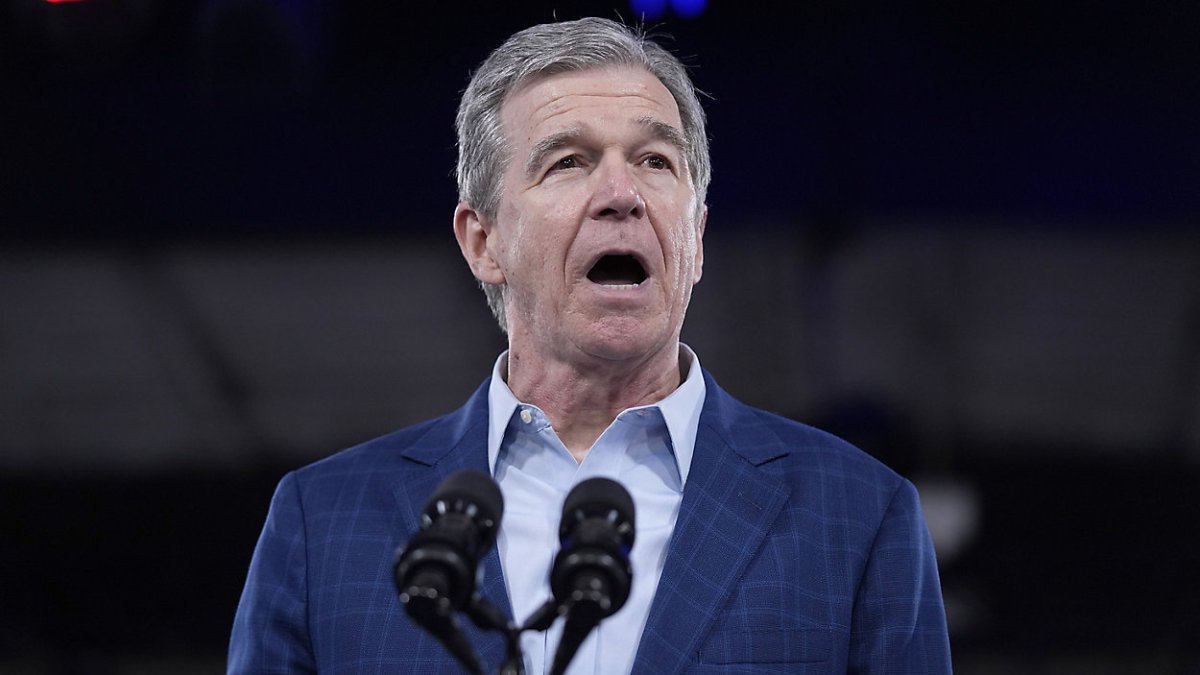
North Carolina Governor Roy Cooper signed four bills on July 3, including one to establish an e-cigarette product registry.

According to Spectrum News1, on July 3rd, Governor Roy Cooper of North Carolina signed four bills on Wednesday. One of these bills includes the creation of a new e-cigarette product registration database.


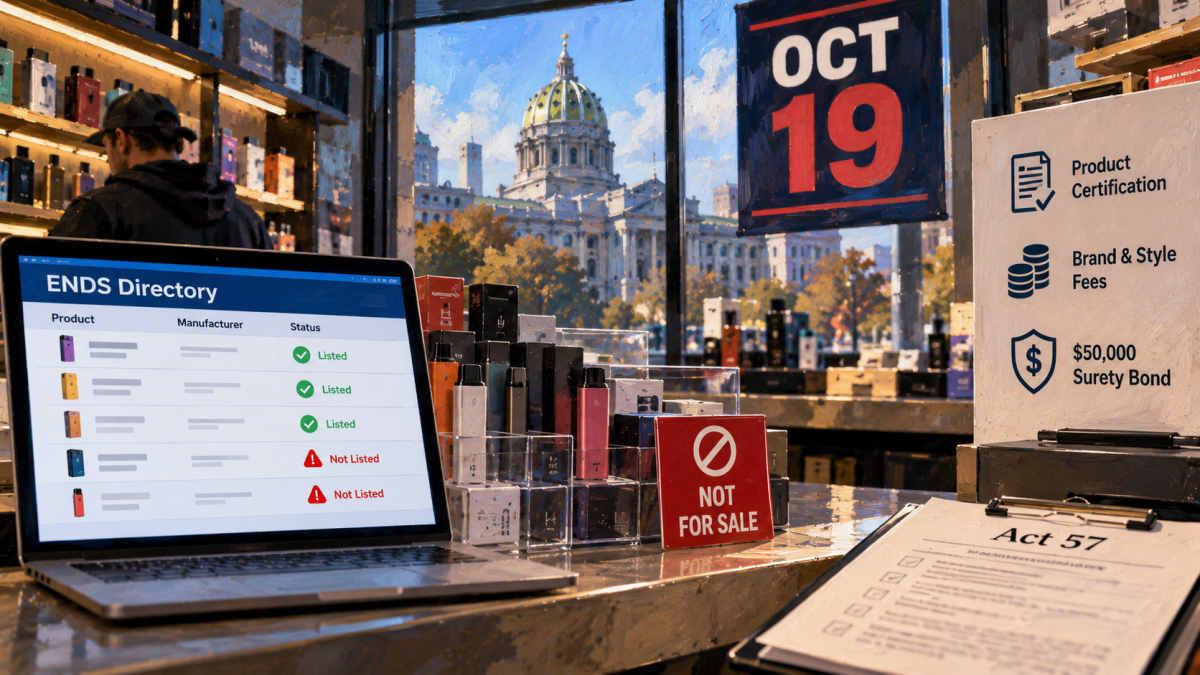
A bill signed by Cooper establishes a registry under the North Carolina Department of Revenue by the end of the year for registering certified aerosol products (such as e-cigarettes) or consumer goods containing nicotine. Manufacturers must obtain certification when selling these products in North Carolina.


Salesmen and manufacturers who do not comply with the new regulations will face penalties. Both parties could potentially incur fines of varying amounts, with manufacturers even possibly facing misdemeanor charges.


We welcome news tips, article submissions, interview requests, or comments on this piece.

Please contact us at info@2firsts.com, or reach out to Alan Zhao, CEO of 2Firsts, on LinkedIn


Notice

1.  This article is intended solely for professional research purposes related to industry, technology, and policy. Any references to brands or products are made purely for objective description and do not constitute any form of endorsement, recommendation, or promotion by 2Firsts.

2.  The use of nicotine-containing products — including, but not limited to, cigarettes, e-cigarettes, nicotine pouchand heated tobacco products — carries significant health risks. Users are responsible for complying with all applicable laws and regulations in their respective jurisdictions.

3.  This article is not intended to serve as the basis for any investment decisions or financial advice. 2Firsts assumes no direct or indirect liability for any inaccuracies or errors in the content.

4.  Access to this article is strictly prohibited for individuals below the legal age in their jurisdiction.


Copyright


This article is either an original work created by 2Firsts or a reproduction from third-party sources with proper attribution. All copyrights and usage rights belong to 2Firsts or the original content provider. Unauthorized reproduction, distribution, or any other form of unauthorized use by any individual or organization is strictly prohibited. Violators will be held legally accountable.

For copyright-related inquiries, please contact: info@2firsts.com


AI Assistance Disclaimer


This article may have been enhanced using AI tools to improve translation and editorial efficiency. However, due to technical limitations, inaccuracies may occur. Readers are encouraged to refer to the cited sources for the most accurate information.

We welcome any corrections or feedback. Please contact us at: info@2firsts.com

Canada’s B.C. Passes First Vaping Cost-Recovery Framework, Allowing Government to Sue Manufacturers Over Health Expenses
According to the Nelson Star, British Columbia has passed the Vaping Product Damages and Health Care Costs Recovery Act by a 49–42 vote. The legislation enables the provincial government to seek recovery of future public health costs from vape manufacturers, following models used in opioid and tobacco litigation.
Dec.03
5th Circuit Reviews FDA’s Compliance on Small-Business Impact of Vape Rule
A Fifth Circuit panel expressed doubts about whether the U.S. Food and Drug Administration complied with the Regulatory Flexibility Act when issuing its 2021 final rule on premarket tobacco product applications. Vape companies argued the FDA relied on outdated and inaccurate economic data, while the government said the challenged requirements stem from the Tobacco Control Act.
Dec.03 by 2FIRSTS.ai
Mexico moves to advance reforms regulating e-cigarettes and vapes
Mexico’s Chamber of Deputies Health Committee is expected to vote next week on reforms to the General Health Law that would regulate the prohibition, distribution, and sale of electronic cigarettes, vapes, and certain toxic substances, including fentanyl. Lawmakers from Morena insist the legislation must avoid loopholes and resist pressure from the tobacco industry.
Nov.21 by 2FIRSTS.ai
Kentucky to Require Tobacco and Vape Retailers to Be Licensed Starting January 2026
The Kentucky Public Protection Cabinet has reminded all businesses selling tobacco, nicotine, and vapor products that they must be licensed by the Kentucky Department of Alcoholic Beverage Control (ABC) by January 1, 2026. The requirement stems from Senate Bill 100, signed into law by Governor Andy Beshear on March 24, 2025, aimed at strengthening youth protection and enforcing compliance against unlicensed sales.
Nov.17 by 2FIRSTS.ai
California DOJ Outlines Next Steps for Unflavored Tobacco List; Enforcement to Target “Obviously Flavored” Products
The California DOJ issued Information Bulletin No. 2025-DLE-17 on November 10, 2025, providing an update on the state’s flavored tobacco enforcement. The Attorney General’s office is set to launch the Unflavored Tobacco List (UTL) by December 31, 2025, identifying tobacco products without characterizing flavors that may legally be sold in California. Enforcement will continue to focus on “obviously flavored” products, while unregistered products remain subject to seizure and penalties.
Nov.17 by 2FIRSTS.ai
U.S. Lawmakers Seek to Empower HHS to Destroy Counterfeit Chinese Tobacco Products
Bipartisan members of the U.S. Congress have introduced the “Ensuring the Necessary Destruction of Illicit Chinese Tobacco Act” (END Act), seeking to amend the Federal Food, Drug, and Cosmetic Act to authorize the Department of Health and Human Services (HHS) to directly destroy adulterated, misbranded, or counterfeit imported tobacco products.Major tobacco companies, including Altria, along with several public health organizations, have announced their support for the bill.
Nov.11 by 2FIRSTS.ai