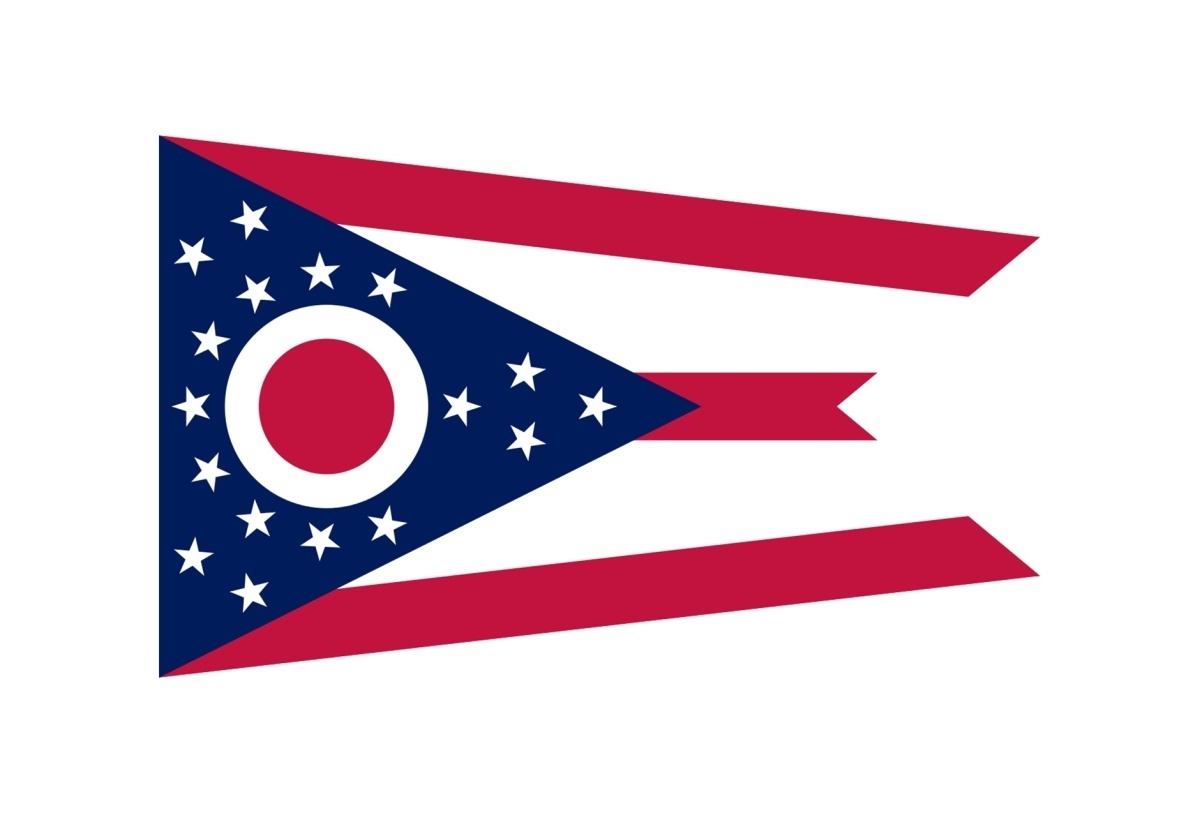
Ohio Court Allows Cities to Enforce Ban on Flavored Tobacco

Regulations by 2FIRSTS.ai
May.20.2024
Ohio Court Allows Cities to Enforce Ban on Flavored Tobacco
Ohio Judge Rules Statewide Flavor Ban Unconstitutional, Allowing 21 Cities to Enforce Ban on Sale of Flavored Tobacco Products.

According to a report from Halfwheel on May 17th, there has been an update after 18 months regarding the ban on flavored tobacco products in Ohio. Judge Mark Serrott ruled that the recently passed statewide preemption law is unconstitutional, allowing for the enforcement of bans on the sale of flavored tobacco products in 21 cities involved in the lawsuit.


The controversy began in December 2022, when the city council of Columbus, Ohio, as the main plaintiff in the lawsuit, passed a ban on the sale of flavored tobacco products. In response, the Republican-controlled Ohio Legislature, during a special session focused on other issues, quickly passed a preemptive measure aimed at preventing cities from implementing stricter bans than state law.


In January 2023, Governor Mike DeWine, a Republican, vetoed a bill that would have banned the sale of flavored e-cigarettes, citing his longstanding opposition to the measure. Due to technical issues, the state legislature was unable to override DeWine's veto.


Last year, the state legislature attempted to pass a preemptive clause once again and successfully overturned Governor DeWine's second veto. Subsequently, cities like Columbus began to sue, Judge Serothe issued a temporary injunction allowing Columbus's law to remain in effect and halting the implementation of the state law.


However, this issue remains unresolved. The state government has stated that it will appeal the ruling by Judge Serott to the Tenth Circuit Court. Cities not involved in this lawsuit are still bound by state law.


We welcome news tips, article submissions, interview requests, or comments on this piece.

Please contact us at info@2firsts.com, or reach out to Alan Zhao, CEO of 2Firsts, on LinkedIn


Notice

1.  This article is intended solely for professional research purposes related to industry, technology, and policy. Any references to brands or products are made purely for objective description and do not constitute any form of endorsement, recommendation, or promotion by 2Firsts.

2.  The use of nicotine-containing products — including, but not limited to, cigarettes, e-cigarettes, nicotine pouchand heated tobacco products — carries significant health risks. Users are responsible for complying with all applicable laws and regulations in their respective jurisdictions.

3.  This article is not intended to serve as the basis for any investment decisions or financial advice. 2Firsts assumes no direct or indirect liability for any inaccuracies or errors in the content.

4.  Access to this article is strictly prohibited for individuals below the legal age in their jurisdiction.


Copyright


This article is either an original work created by 2Firsts or a reproduction from third-party sources with proper attribution. All copyrights and usage rights belong to 2Firsts or the original content provider. Unauthorized reproduction, distribution, or any other form of unauthorized use by any individual or organization is strictly prohibited. Violators will be held legally accountable.

For copyright-related inquiries, please contact: info@2firsts.com


AI Assistance Disclaimer


This article may have been enhanced using AI tools to improve translation and editorial efficiency. However, due to technical limitations, inaccuracies may occur. Readers are encouraged to refer to the cited sources for the most accurate information.

We welcome any corrections or feedback. Please contact us at: info@2firsts.com

After Export Tax Rebates Go to Zero: How China’s E-Cigarette Supply Chain Is Being Reshaped, According to 2Firsts Research
China’s e-cigarette industry is adjusting to a major policy shift. From April 1, 2026, China will scrap the 13% export VAT rebate on e-cigarette products, a move affecting manufacturers centered in Shenzhen. Industry participants told 2Firsts the change is forcing a reassessment of pricing and capacity, with competition shifting toward cash flow resilience, regulatory compliance, and multi-location strategies.
Industry Insight
Jan.16
Thai Research describes e-cigarettes as a “first gateway” for ages 15–20, linked to appearance and flavors
A Thai report says Minister attached to the Prime Minister’s Office Santi Piyatat is advancing efforts toward a vape-free society. On Jan. 12, a seminar at the Thai Health Promotion Foundation’s learning center presented a study covering six regions of Thailand on spending related to cigarettes and e-cigarettes and the behavior of different smoker groups.
Jan.13 by 2FIRSTS.ai
COP11 Concludes with Major Decisions on Global Tobacco Control
The Eleventh Session of the Conference of the Parties (COP11) to the WHO Framework Convention on Tobacco Control (FCTC) concluded in Geneva on November 22, with 160 Parties adopting major decisions on tobacco and nicotine regulation, environmental protection, sustainable financing, and tobacco industry liability. A landmark decision mandates a complete ban on the use and sale of tobacco and all novel nicotine products across all UN premises worldwide.
Nov.24 by 2FIRSTS.ai
Philip Morris and R.J. Reynolds Face Trial Over Woman’s Lung Cancer Death in Massachusetts
According to Law360, the family of Maria Petruzziello has taken Philip Morris and R.J. Reynolds to trial in Massachusetts, alleging the companies are responsible for her 2019 lung cancer death after decades of smoking. Plaintiffs argue her experience mirrors many smokers, while the defense points to her years-long cessation and personal choice.
Dec.03 by 2FIRSTS.ai
Alan Zhao: In the Post-“Absolute Resolve” Era: Speculating on U.S.-Referenced Regulatory Alignment and the Restructuring of Order in South America’s Novel Tobacco Market
Alan Zhao analyzes post-Operation Absolute Resolve geopolitics and the rise of “U.S.-referenced regulatory alignment” in South America’s novel tobacco market as U.S. influence grows. Using regulatory reliance, digitalized enforcement, and industrial shifts, he assesses how rule redesign may alter market access, competition, and supply chains, asking how firms can find durable certainty as order is rewritten.
Jan.06 by 2Firsts Perspectives
British American Tobacco to close South Africa cigarette plant by end-2026, citing illicit trade squeezing legal market
British American Tobacco South Africa (BATSA) said it will halt local production of factory-made cigarettes and close its manufacturing plant in Heidelberg, Gauteng by the end of 2026, shifting to an import-led supply model. The company said illicit cigarettes now account for about 75% of South Africa’s market, making local manufacturing “unsustainable” and putting around 230 jobs at risk.
Jan.16