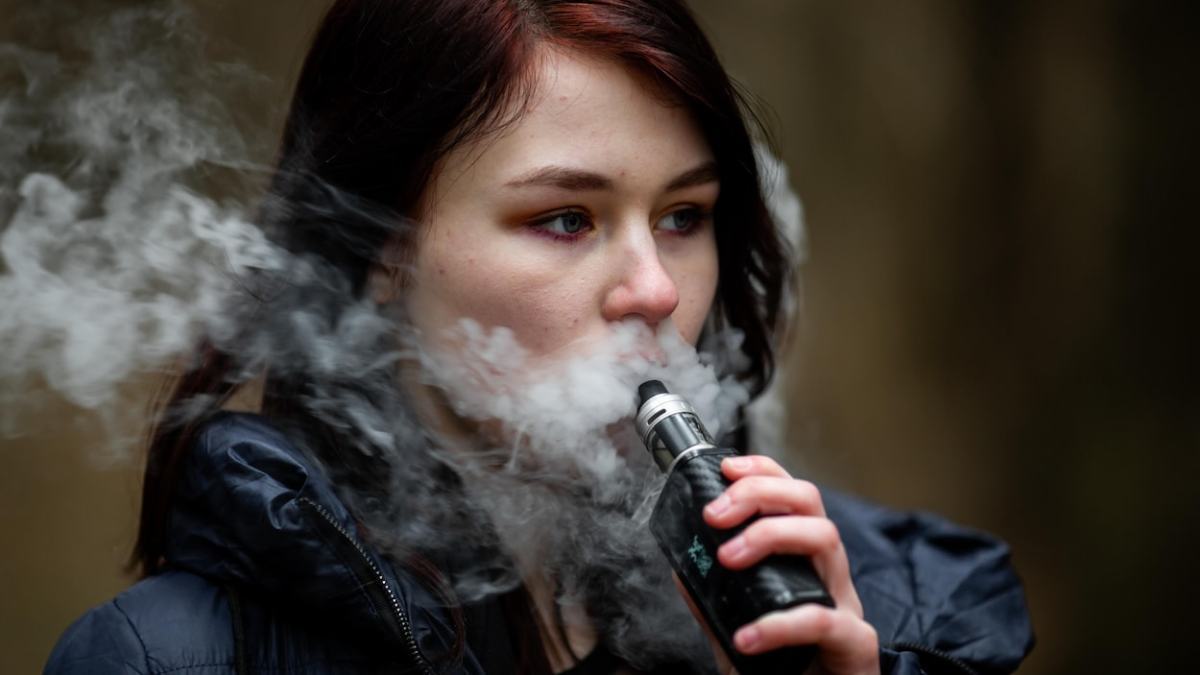
According to a report from Radio-Canada on October 20, the city of Ottawa, Canada is planning to require retail vendors of e-cigarette products to obtain sales licenses by the end of November. This measure is aimed at combatting the illegal sale of e-cigarettes to individuals under the age of 19.
The license fee for selling e-cigarette products is $930 Canadian dollars, which is the same as the fee for selling traditional cigarettes and other tobacco products. For businesses that sell both traditional cigarettes and e-cigarettes, the license fee may be as high as $1092 Canadian dollars.
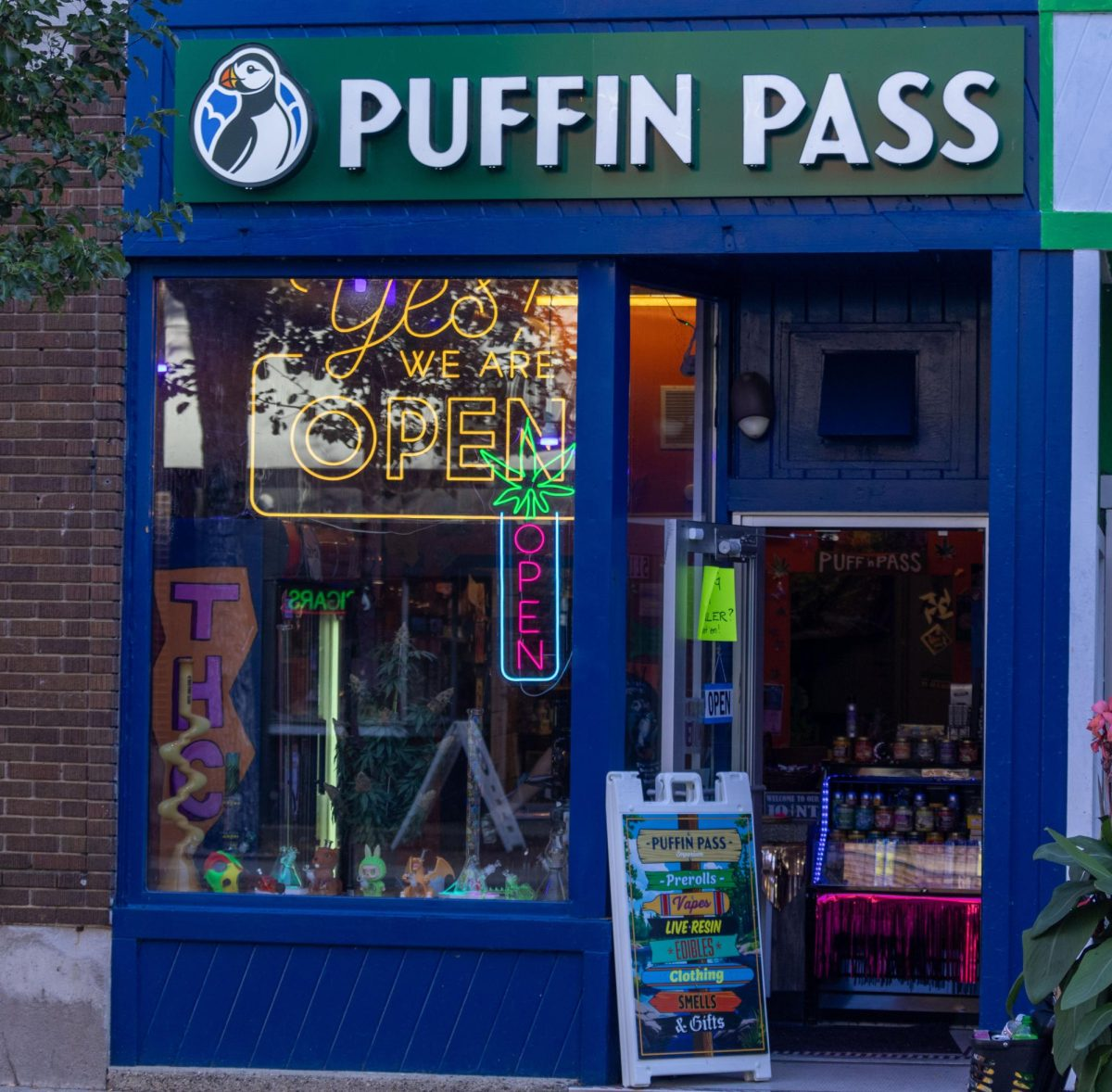
Since 2019, the number of shops selling e-cigarettes has increased from 19 to 70. On Thursday (the 17th), the municipal government revealed during a Protection and Emergency Services Committee meeting that this growth is accompanied by a rise in e-cigarette product usage among high school students.
Roger Chapman, the Director of By-Law Services in Ottawa, stated that the sales of tobacco and e-cigarettes to minors have increased in the past five years, while the number of regulatory officials responsible for overseeing the enforcement of tobacco sales laws has decreased.
Chapman emphasized that Ottawa only has two staff members responsible for enforcing tobacco regulations, which is far from adequate for effectively enforcing provincial regulations.
David Kurs, the Policy Development Director of the Ottawa Public Health department, stated that in order to complete their mission, the department has utilized their own budget funds to supplement provincial funding, but unfortunately the province is no longer providing additional resource assistance.
In 2020, the city government supported the hiring of four enforcement officers with $450,000 in funding, but this year only received $250,000. It is projected that revenue from issuing e-cigarette sales licenses will allow for the hiring of a dedicated licensing officer.
At the same time, the city government has conducted an investigation on local e-cigarette retailers, and found that more than half of the businesses are against mandatory licenses and related fees.
Municipal government officials are recommending that an application be submitted to the provincial government to strengthen the enforcement of current laws, such as prohibiting businesses that have been convicted at least twice within five years from applying for a sales license.
Members of the Emergency Services Committee expressed full support for these proposals, and it is expected that the proposal for mandatory licenses will be submitted for parliamentary vote on October 30th.
We welcome news tips, article submissions, interview requests, or comments on this piece.
Please contact us at info@2firsts.com, or reach out to Alan Zhao, CEO of 2Firsts, on LinkedIn
Notice
1. This article is intended solely for professional research purposes related to industry, technology, and policy. Any references to brands or products are made purely for objective description and do not constitute any form of endorsement, recommendation, or promotion by 2Firsts.
2. The use of nicotine-containing products — including, but not limited to, cigarettes, e-cigarettes, nicotine pouchand heated tobacco products — carries significant health risks. Users are responsible for complying with all applicable laws and regulations in their respective jurisdictions.
3. This article is not intended to serve as the basis for any investment decisions or financial advice. 2Firsts assumes no direct or indirect liability for any inaccuracies or errors in the content.
4. Access to this article is strictly prohibited for individuals below the legal age in their jurisdiction.
Copyright
This article is either an original work created by 2Firsts or a reproduction from third-party sources with proper attribution. All copyrights and usage rights belong to 2Firsts or the original content provider. Unauthorized reproduction, distribution, or any other form of unauthorized use by any individual or organization is strictly prohibited. Violators will be held legally accountable.
For copyright-related inquiries, please contact: info@2firsts.com
AI Assistance Disclaimer
This article may have been enhanced using AI tools to improve translation and editorial efficiency. However, due to technical limitations, inaccuracies may occur. Readers are encouraged to refer to the cited sources for the most accurate information.
We welcome any corrections or feedback. Please contact us at: info@2firsts.com