Key Takeaways
- March 4, 2026: 162 organizations from 57 countries sent a letter urging F1 to ban nicotine pouch sponsorships
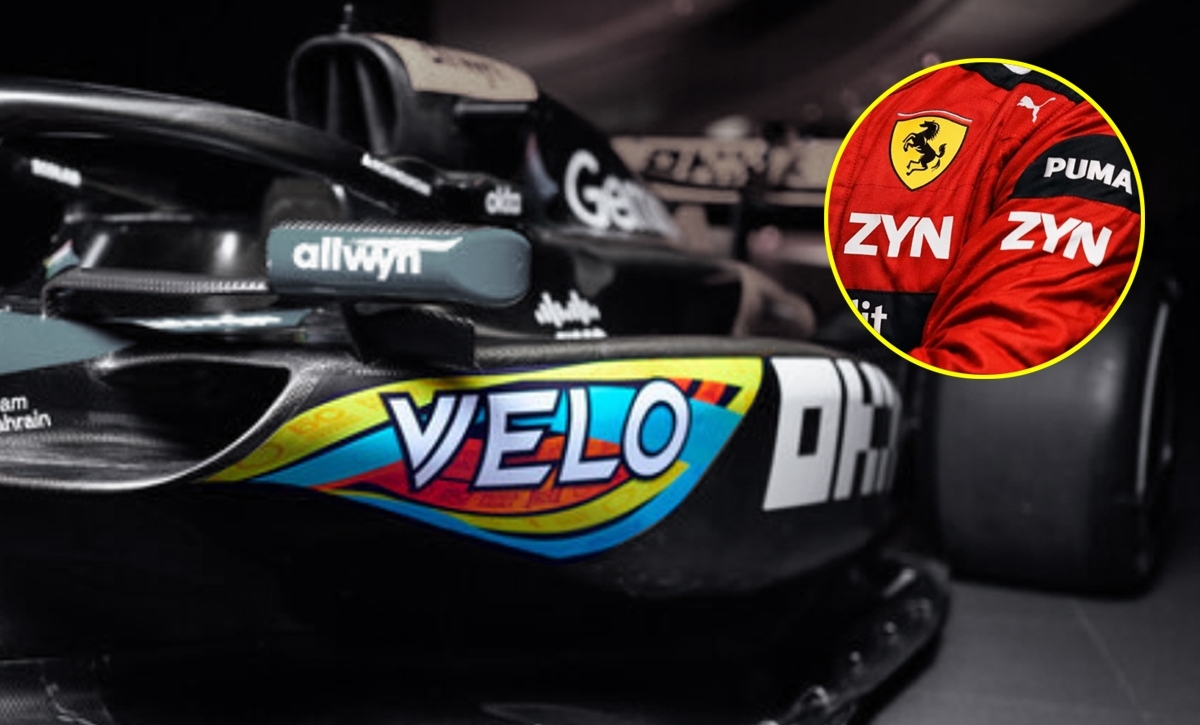
- The letter says PMI promotes ZYN via Ferrari and BAT promotes Velo via McLaren, with branding on cars and suits
- It references branding tied to drivers including Lando Norris and Lewis Hamilton, and amplification via social media
- The letter links the sponsorships to F1’s expanding youth audience and partnerships with Disney, Lego and Hot Wheels
- Separate letters urged Disney, Lego and Mattel to press F1 to end all tobacco sponsorships
2Firsts, March 6, 2026
According to Campaign for Tobacco-Free Kids, as the Formula 1 season begins this week, more than 160 public interest organizations worldwide sent a letter on March 4, 2026, calling on the sport to update its tobacco sponsorship prohibition to include nicotine pouches and to stop facilitating tobacco marketing to young fans.
The letter states that Formula 1 ended cigarette sponsorships in 2006, but Philip Morris International (PMI) and British American Tobacco (BAT) are promoting nicotine pouches through team sponsorships. It says PMI sponsors Ferrari to promote ZYN pouches, while BAT sponsors McLaren with its Velo brand. The letter adds that product logos are displayed on team cars and drivers’ race suits and are promoted on social media to hundreds of millions of followers, including references to 2025 F1 world champion Lando Norris and seven-time world champion Lewis Hamilton.
The letter also notes F1’s efforts to expand its global youth audience alongside partnerships with Disney, Lego and Mattel’s Hot Wheels, including appearances by Mickey & Friends at races and exclusive Lego and Hot Wheels merchandise for children. It cites F1’s statements that more than four million children aged 8–12 actively follow the sport in the EU and the U.S., and that 54% of its TikTok followers and 40% of its Instagram followers are under 25.
The organizations wrote to F1 CEO Stefano Domenicali that, to protect young fans’ health, Formula 1 should expand its cigarette sponsorship prohibition to other tobacco products, including newer products such as nicotine pouches.
Separate letters were also sent to the CEOs of Disney, Lego and Mattel urging them to join the call for Formula 1 to prohibit all tobacco sponsorships. Campaign for Tobacco-Free Kids President and CEO Yolonda C. Richardson said tobacco companies want their brands on F1 race cars and celebrity drivers because “they know kids will see it.”
The letter states that nicotine pouches expose young people to high levels of nicotine, which is addictive and can harm the developing adolescent brain, and it says nicotine pouches are the only type of tobacco product to see an increase in youth use in the U.S. in recent years.
According to its official website, the Campaign for Tobacco-Free Kids was founded in 1995 and is headquartered in Washington D.C., USA. It is one of the most influential non-profit organizations in the world in the fields of public health and tobacco control. The organization was initiated by the American Medical Association, with major funders including the Bloomberg Philanthropies and the Bill & Melinda Gates Foundation.
On December 12, 2025, the president and CEO of the organization criticized Philip Morris International (PMI) for their partnership announcement with the Ferrari team, stating that it goes against PMI's commitment to not market to youth.
Image source: Campaign for Tobacco-Free Kids
We welcome news tips, article submissions, interview requests, or comments on this piece.
Please contact us at info@2firsts.com, or reach out to Alan Zhao, CEO of 2Firsts, on LinkedIn
Notice
1. This article is intended solely for professional research purposes related to industry, technology, and policy. Any references to brands or products are made purely for objective description and do not constitute any form of endorsement, recommendation, or promotion by 2Firsts.
2. The use of nicotine-containing products — including, but not limited to, cigarettes, e-cigarettes, nicotine pouchand heated tobacco products — carries significant health risks. Users are responsible for complying with all applicable laws and regulations in their respective jurisdictions.
3. This article is not intended to serve as the basis for any investment decisions or financial advice. 2Firsts assumes no direct or indirect liability for any inaccuracies or errors in the content.
4. Access to this article is strictly prohibited for individuals below the legal age in their jurisdiction.
Copyright
This article is either an original work created by 2Firsts or a reproduction from third-party sources with proper attribution. All copyrights and usage rights belong to 2Firsts or the original content provider. Unauthorized reproduction, distribution, or any other form of unauthorized use by any individual or organization is strictly prohibited. Violators will be held legally accountable.
For copyright-related inquiries, please contact: info@2firsts.com
AI Assistance Disclaimer
This article may have been enhanced using AI tools to improve translation and editorial efficiency. However, due to technical limitations, inaccuracies may occur. Readers are encouraged to refer to the cited sources for the most accurate information.
We welcome any corrections or feedback. Please contact us at: info@2firsts.com