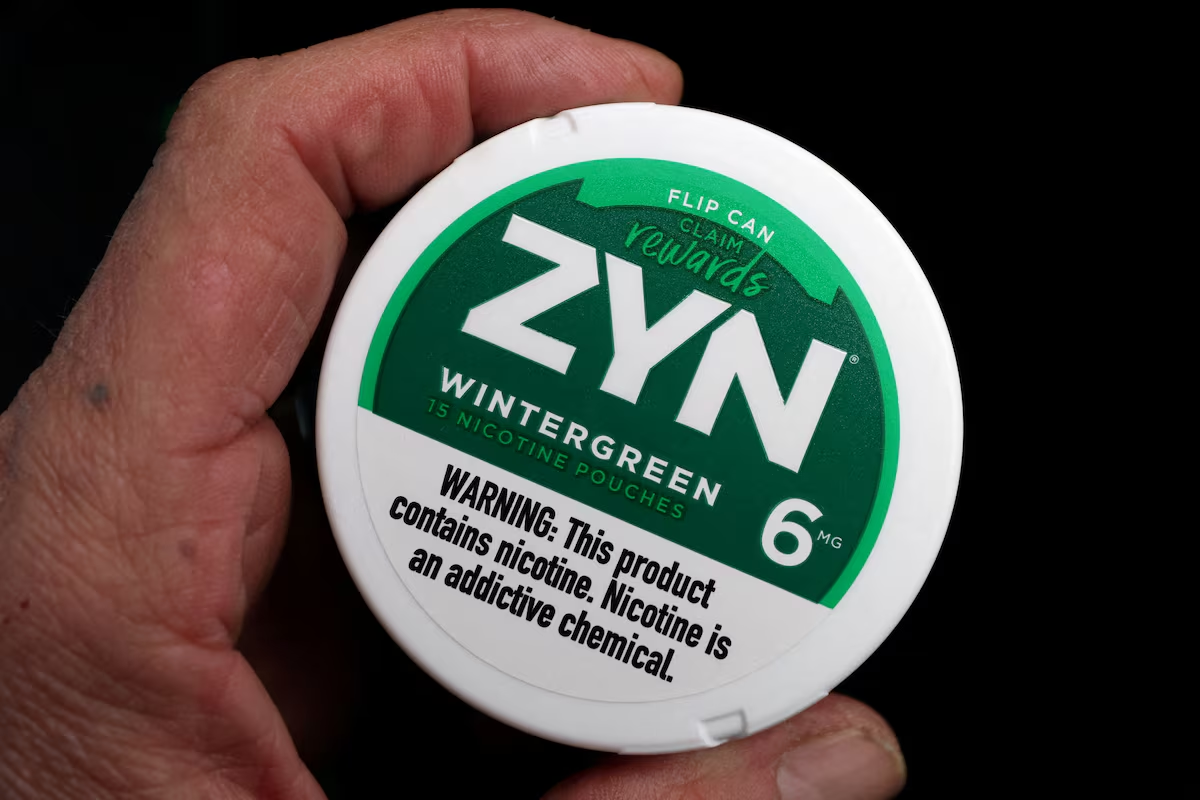
Philip Morris International will invest PHP 8.8 billion ($150 million) to start producing tobacco pods for smokeless heating in the Philippines, with the aim of moving away from traditional cigarettes.
Commercial production is expected to begin in the fourth quarter of 2023 in a local joint venture between the US Tobacco Group and the billionaire Lucio Tan's corporate group, LT Group, under the name PMFTC.
This will mark PMI's first production of heated tobacco sticks in the Philippines. PMI announced at a press conference on Wednesday that production will take place at an existing cigarette factory in Batangas province on the island of Luzon.
PMI's handheld IQOS device heats tobacco without burning it, producing vapor but not smoke or ash. PMFTC brought IQOS to the Philippines in 2020.
PMI has announced that this investment will create 220 job openings and utilize tobacco plants grown in the Philippines.
It is estimated that over 20% of adults in the Philippines smoke, which is a higher percentage compared to Japan.
Statement:
This article is compiled from third-party information for the purpose of industry discussion and learning.
This article does not reflect the viewpoint of 2FIRSTS, and 2FIRSTS cannot confirm the authenticity or accuracy of the article's content. The article is compiled solely for industry-based communication and research purposes.
Due to limitations in translation ability, the translated article may not accurately express the original content. Please refer to the original article for accuracy.
In regards to any domestic, Hong Kong, Macau, Taiwan, or foreign statements and positions, 2FIRSTS is fully aligned with the Chinese government.
The copyright of the compiled information belongs to the original media and authors. If there is any infringement, please contact us for deletion.
Disclaimer
This article is provided solely for professional research, industry discussion, and informational purposes. Any references to brands, companies, products, technologies, or policies are made for factual reporting and analytical purposes only, and do not constitute endorsement, recommendation, promotion, or advertising by 2Firsts.
Nicotine-containing products, including but not limited to cigarettes, e-cigarettes, heated tobacco products, and nicotine pouches, carry significant health risks. Readers are responsible for complying with all applicable laws and regulations in their respective jurisdictions, including age restrictions and access limitations.
The information contained in this article should not be regarded as investment, legal, medical, regulatory, or commercial advice. While 2Firsts strives to ensure the accuracy and reliability of its content, it does not assume liability for any direct or indirect loss arising from errors, omissions, inaccuracies, or reliance on the information contained herein.
This article is not intended for individuals below the legal age for accessing tobacco or nicotine-related information in their jurisdiction.
Copyright Notice
This article is either original content produced by 2Firsts or content reproduced, translated, summarized, or adapted from third-party sources with attribution where applicable. The intellectual property rights of the original content remain with 2Firsts or the respective original rights holders.
No individual or organization may copy, reproduce, distribute, republish, modify, translate, or otherwise use this content without prior authorization. Any unauthorized use may result in legal action.
For copyright-related inquiries, corrections, or removal requests, please contact: info@2firsts.com.
AI-Assisted Translation and Editing Notice
Portions of this article may have been translated, edited, or reviewed with the assistance of artificial intelligence tools to improve efficiency and readability. Due to the limitations of AI-assisted translation and editing, discrepancies, omissions, or inaccuracies may exist when compared with the original source.
Where applicable, readers are advised to refer to the original source for the most complete and accurate information. If you identify any errors or believe that any content infringes upon your rights, please contact us at info@2firsts.com, and we will review and address the matter promptly.