PMI Korea Launches New Pod for IQOS ILUMA

Sep.25.2024
PMI Korea Launches New Pod for IQOS ILUMA
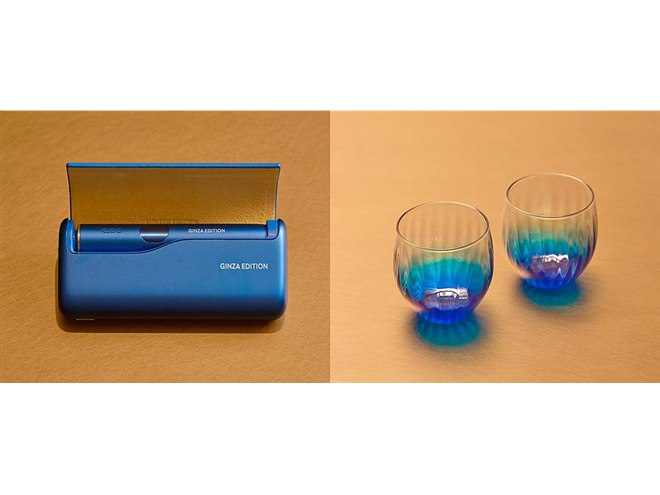
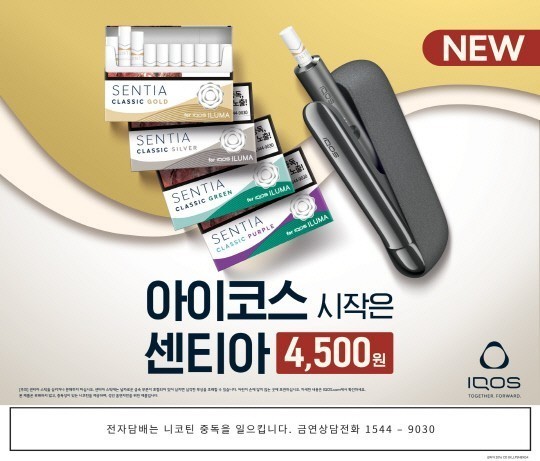
Philip Morris Korea Inc. launches new pod series "SENTIA" for IQOS ILUMA HNB device, offering four flavors at 4500 KRW.

According to a report by N. News on September 25, Philip Morris International's (PMI) South Korea subsidiary, Philip Morris Korea Inc., announced the launch of a dedicated pod for its HNB device "IQOS ILUMA" series called "SENTIA.


The "SENTIA" series includes four flavors: "Sentia Classic Gold," "Sentia Classic Silver," "Sentia Classic Green," and "Sentia Classic Purple." All four products are produced and supplied at the Philip Morris International (PMI) factory in Yangsan, Gyeongsangnam-do, South Korea. Each box is priced at 4,500 Korean won (3.4 US dollars).


CEO of PMI Korea, Yoon Hee-kyung, stated that...


Following the release of 'TEREA', the launch of 'Sentia' allows us to present a more diverse range of non-combustible products to consumers. With 'Sentia', we hope to make it easier for new users to experience 'IQOS ILUMA' and feel the benefits of a better alternative product selection.


According to reports, PMI Korea was established in April 1989 with approximately 1000 employees. The company's offices are located in Seoul headquarters, Yangsan factory, and sales offices nationwide.


We welcome news tips, article submissions, interview requests, or comments on this piece.

Please contact us at info@2firsts.com, or reach out to Alan Zhao, CEO of 2Firsts, on LinkedIn


Notice

1.  This article is intended solely for professional research purposes related to industry, technology, and policy. Any references to brands or products are made purely for objective description and do not constitute any form of endorsement, recommendation, or promotion by 2Firsts.

2.  The use of nicotine-containing products — including, but not limited to, cigarettes, e-cigarettes, nicotine pouchand heated tobacco products — carries significant health risks. Users are responsible for complying with all applicable laws and regulations in their respective jurisdictions.

3.  This article is not intended to serve as the basis for any investment decisions or financial advice. 2Firsts assumes no direct or indirect liability for any inaccuracies or errors in the content.

4.  Access to this article is strictly prohibited for individuals below the legal age in their jurisdiction.


Copyright


This article is either an original work created by 2Firsts or a reproduction from third-party sources with proper attribution. All copyrights and usage rights belong to 2Firsts or the original content provider. Unauthorized reproduction, distribution, or any other form of unauthorized use by any individual or organization is strictly prohibited. Violators will be held legally accountable.

For copyright-related inquiries, please contact: info@2firsts.com


AI Assistance Disclaimer


This article may have been enhanced using AI tools to improve translation and editorial efficiency. However, due to technical limitations, inaccuracies may occur. Readers are encouraged to refer to the cited sources for the most accurate information.

We welcome any corrections or feedback. Please contact us at: info@2firsts.com

South Korean Lawmaker Jeong Jin-wook Pushes Synthetic Nicotine Vape Probe, Highlighting Supply Chain and Tax Concerns
South Korean lawmaker Jeong Jin-wook has again called for stronger government action against liquid synthetic nicotine vape manufacturers and sellers, alleging that some businesses may have avoided regulation through product labeling changes and corporate restructuring. According to Newsworks, JNILBO and other Korean reports, Jeong has held his third press conference on the issue, calling for a government-wide investigation. The dispute involves whether synthetic nicotine products should fall under tobacco regulations, tax implications and supply-chain transparency. South Korean government agencies have previously said some estimates of potential tax losses cannot be verified due to limited sales data.
Jul.27
Indiana’s Foreign-Made Vape Ban Takes Effect, Forcing Brands and Retailers to Adjust Supply Chains
A new Indiana law restricting the sale of foreign-made vape products has taken effect, requiring retailers to adjust inventory and sourcing practices. According to The Sun, WDRB and other reports, some local vape shops are reviewing product origins and supplier information to comply with the new requirements. The measure represents a broader shift in U.S. vape regulation, with oversight expanding beyond product authorization and sales rules toward manufacturing origin and supply-chain management.
Jul.24
JT Plans ¥800 Billion Investment in Heated Tobacco Over Three Years, Betting on Ploom as Second Growth Engine
Japan Tobacco Inc. (JT) CEO Takehiko Tsutsui said the company plans to invest about ¥800 billion (approximately US$5.4 billion) in heated tobacco products over three years through 2028, aiming to establish Ploom as a second growth engine after combustible cigarettes. Tsutsui said Ploom AURA helped JT increase its share of Japan’s heated tobacco market to 15.8% in the first quarter of 2026. Ploom products are now available in 29 markets, with Ploom AURA sold in 25 markets including Japan. JT also plans to continue its cigarette business while positioning its food operations, particularly frozen noodle products in North America, as another growth opportunity.
Jul.23
Australia’s Daily Smoking Rate Falls to Record Low of 5.8% as Nicotine Use Patterns Shift
According to the Australian Institute of Health and Welfare’s National Drug Strategy Household Survey, daily smoking among Australians aged 18 and over fell to a record low of 5.8% in 2025. Health Minister Mark Butler said Australia now has around 500,000 fewer daily smokers than three years ago and credited the government’s vaping reforms as part of broader progress. Among people aged 14 and over, daily smoking declined from 8.3% in 2022-23 to 5.6% in 2025. Daily vaping rates stabilised at 3.6%, while the government also moved to further restrict access to nicotine pouches through unapproved therapeutic import pathways.
Jul.21
California Lawmakers Pass Disposable Nicotine Vape Ban, With Sales Prohibition Set for 2028
According to CBS Los Angeles on August 27, 2026, California lawmakers have passed Assembly Bill 762, which would phase out disposable, battery-embedded nicotine vapes in the state. If signed by Governor Gavin Newsom, manufacturing and importation of the covered products would be prohibited beginning January 1, 2027, followed by a sales ban on January 1, 2028. Driven primarily by concerns over electronic waste, lithium-battery fires and environmental pollution, the legislation would further shift California’s legal vape market toward rechargeable, refillable or replaceable-pod devices.
Aug.28
Malaysia Liquid Nicotine Returns to Poisons List, Leaving Vape Retail and RM354 Million Tax Collection in Legal Uncertainty
Malaysia’s withdrawal of its appeal in a landmark liquid-nicotine case has left a High Court ruling that struck down the 2023 nicotine exemption in force, bringing liquid and gel nicotine used in vaping products back under the Poisons Act 1952. At the same time, the Control of Smoking Products for Public Health Act 2024 continues to provide a regulatory framework for vaping products, creating uncertainty over retail sales, taxation and existing inventory. MPs are calling for nicotine vape sales and excise collection to stop, including refunds of more than RM354 million collected since 2023, while industry and consumer groups are asking the government to clarify the current legal position.
Sep.04