Realistic E-Cigarette Returns to the U.S. with Mosmo STik’s ‘Cigarette-Like’ Design

Nov.13.2024
Realistic E-Cigarette Returns to the U.S. with Mosmo STik’s ‘Cigarette-Like’ Design
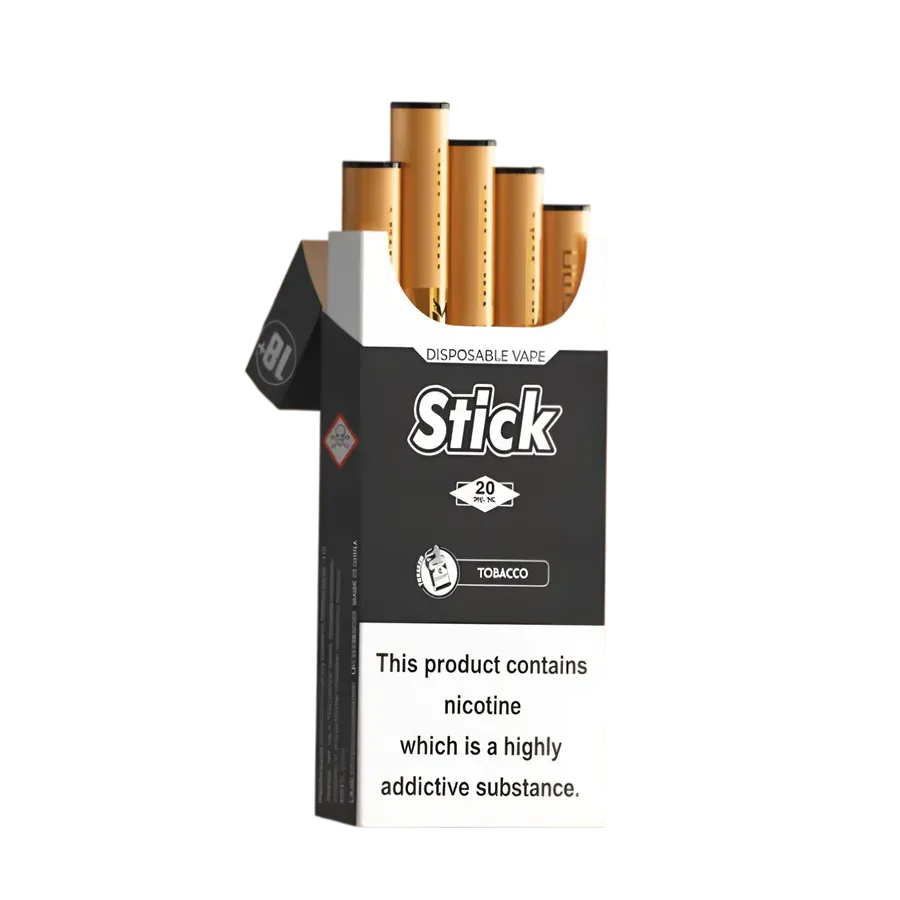
Shenzhen Aixingwang Electronic Technology Co., Ltd., under its MOSMO brand, has introduced the Mosmo STik realistic e-cigarette to the U.S. market. Designed to mimic the size of a traditional cigarette, the product features a disposable design and is available in 15 different flavor options. It is now listed on several online e-cigarette retail platforms in the U.S.

Disclaimer


  • This article is intended solely for internal industry communication and does not constitute an endorsement of any brand or product.
  • The images presented in this article are for factual illustration purposes only and should not be interpreted as advertisements for any product.
  • Access to this article is prohibited for minors.


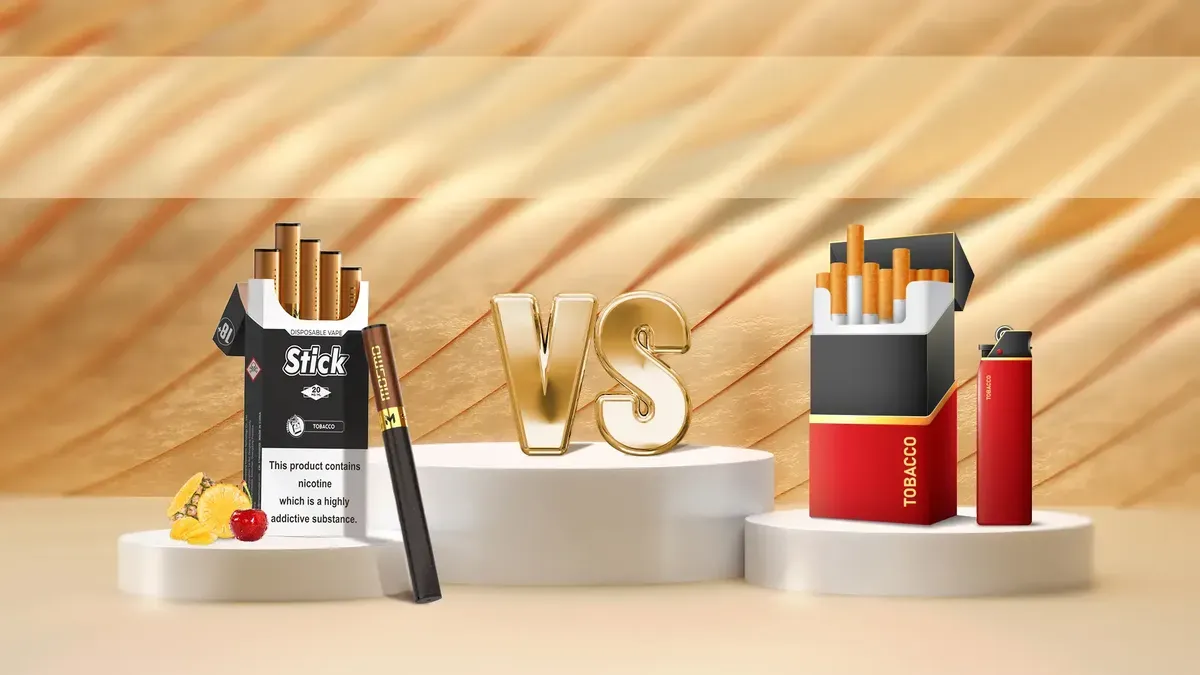
Recently, 2Firsts observed that a realistic e-cigarette, the Mosmo STik, under the MOSMO brand, has been listed on U.S. e-cigarette retailer websites, including DemandVape and Vapezilla. According to the brand's official website, the product "is 100% identical in size and shape to a traditional cigarette."
 

Realistic E-Cigarette Returns to the U.S. with Mosmo STik’s ‘Cigarette-Like’ Design
Translation: Mosmo STik | Image Source: MOSMO Official Website


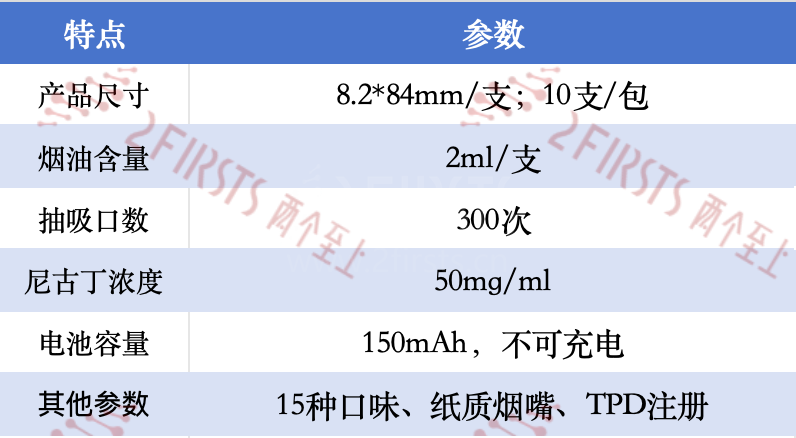
The key features of the Mosmo STik are as follows:
 

Realistic E-Cigarette Returns to the U.S. with Mosmo STik’s ‘Cigarette-Like’ Design
Mosmo STik product parameters | Made by: 2Firsts


The standout feature of the Mosmo STik is its cigarette-like design, making it visually similar to a traditional cigarette.


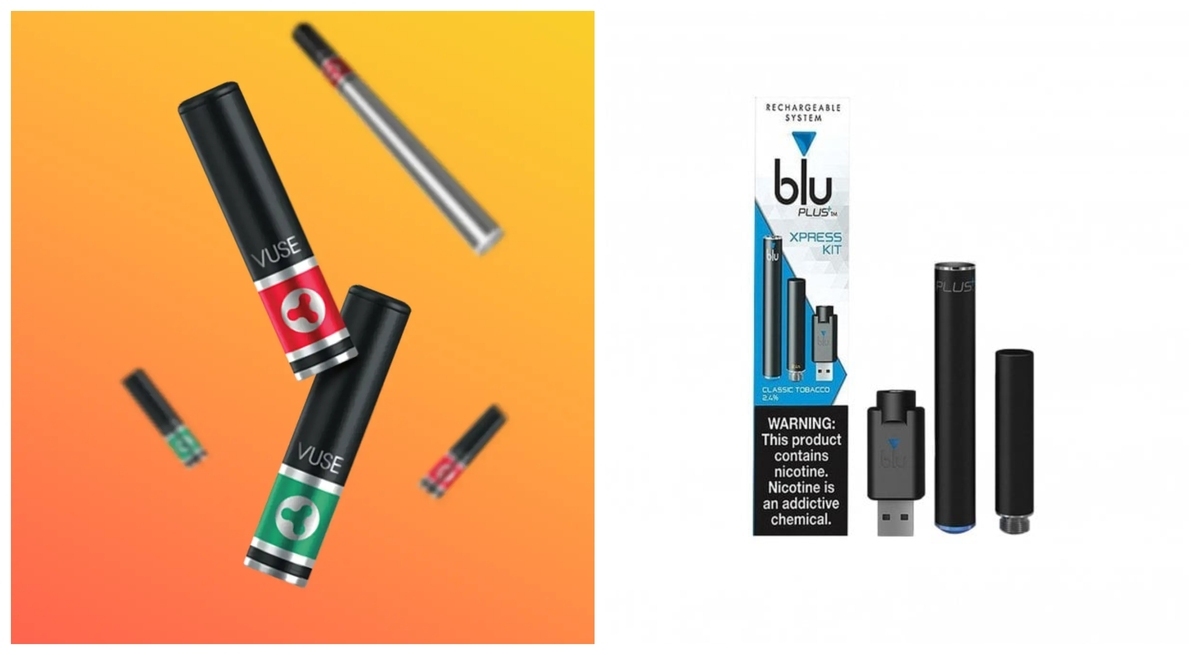
Previously, e-cigarette brands like Vuse, blu, VAPO, and JUUL have introduced realistic e-cigarette models, most of which feature a pod-based design. In contrast, the newly released Mosmo STik adopts a disposable design.
 

Realistic E-Cigarette Returns to the U.S. with Mosmo STik’s ‘Cigarette-Like’ Design
The image on the left is VUSE Solo; the image on the right is BLU PLUS+


According to the official MOSMO website, the MOSMO brand is owned by Shenzhen Aixingwang Electronic Technology Co., Ltd., based in the Bao'an District of Shenzhen. The company has launched a range of products under the MOSMO brand, including disposable e-cigarettes and related accessories.

 

Realistic E-Cigarette Returns to the U.S. with Mosmo STik’s ‘Cigarette-Like’ Design
MOSMO Brand Official Website Information | Image Source: MOSMO Official Website


The Mosmo STik is currently available on the official MOSMO website and listed on several online e-cigarette retail platforms in the U.S., with the product page indicating it is "In Stock."
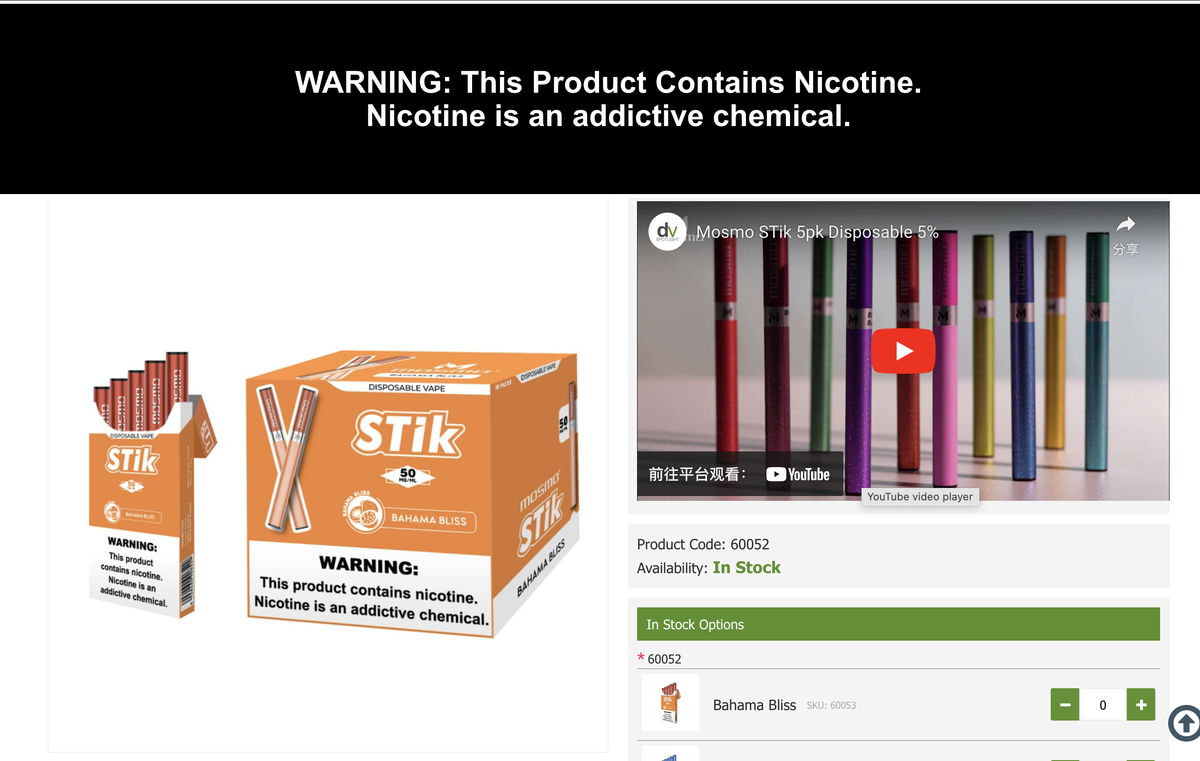
 

Realistic E-Cigarette Returns to the U.S. with Mosmo STik’s ‘Cigarette-Like’ Design
Mosmo STik product page | Image source: demandvape


2Firsts will continue to track the latest products and market trends in the disposable e-cigarette sector, delivering accurate and authoritative industry insights to the public.


2Firsts' product column remains committed to delivering readers the latest product updates in the new tobacco field. We invite readers to submit insights and news on e-cigarette developments.


For unique perspectives or information, feel free to contact us at carrie.cai@2firsts.com or scan the QR code below.


We welcome news tips, article submissions, interview requests, or comments on this piece.

Please contact us at info@2firsts.com, or reach out to Alan Zhao, CEO of 2Firsts, on LinkedIn


Notice

1.  This article is intended solely for professional research purposes related to industry, technology, and policy. Any references to brands or products are made purely for objective description and do not constitute any form of endorsement, recommendation, or promotion by 2Firsts.

2.  The use of nicotine-containing products — including, but not limited to, cigarettes, e-cigarettes, nicotine pouchand heated tobacco products — carries significant health risks. Users are responsible for complying with all applicable laws and regulations in their respective jurisdictions.

3.  This article is not intended to serve as the basis for any investment decisions or financial advice. 2Firsts assumes no direct or indirect liability for any inaccuracies or errors in the content.

4.  Access to this article is strictly prohibited for individuals below the legal age in their jurisdiction.


Copyright


This article is either an original work created by 2Firsts or a reproduction from third-party sources with proper attribution. All copyrights and usage rights belong to 2Firsts or the original content provider. Unauthorized reproduction, distribution, or any other form of unauthorized use by any individual or organization is strictly prohibited. Violators will be held legally accountable.

For copyright-related inquiries, please contact: info@2firsts.com


AI Assistance Disclaimer


This article may have been enhanced using AI tools to improve translation and editorial efficiency. However, due to technical limitations, inaccuracies may occur. Readers are encouraged to refer to the cited sources for the most accurate information.

We welcome any corrections or feedback. Please contact us at: info@2firsts.com

FDA Authorizes JUUL2, Cites Adult Switching Amid Efforts to Speed PMTA Reviews
The FDA authorized the JUUL2 device and tobacco- and menthol-flavored pods on Aug. 28, bringing the number of authorized e-cigarette products to 48. The agency highlighted complete switching among adult smokers, with six-week switching rates reaching 28.4%–49.3% for the menthol pod. The decision comes as FDA works to speed PMTA reviews, reduce application backlogs and expand authorized e-cigarette and nicotine-pouch products while maintaining enforcement priorities for unauthorized products.
Regulations
Aug.29
Senate Democrat Wyden Probes Trump Administration Vape Policy Shift, Seeks Records From HHS and Reynolds American
U.S. Senator Ron Wyden, the Democratic ranking member of the Senate Finance Committee, has launched an investigation into flavored vape policy changes and requested records from the Department of Health and Human Services (HHS), Reynolds American and Botanic Tonics. The investigation focuses on a timeline involving Reynolds American’s $5 million donation to MAGA Inc. in April 2026 and subsequent vape policy developments. Wyden said the review aims to examine potential links between political donations, corporate communications and government decisions. The investigation does not represent a finding of wrongdoing.
Innovation
Aug.07 by 2Firsts Perspectives
JTI Proposes 25-Cent Irish Cigarette Tax Increase, Says It Could Raise €45 Million
Japan Tobacco International's Irish business has proposed a €0.25 tax increase on a pack of 20 cigarettes in its pre-Budget 2027 submission, below the €0.50-or-more increases typically imposed in recent Irish budgets. JTI says the proposal could generate around €45 million in additional Exchequer revenue while limiting further movement toward illicit and non-Irish-tax-paid tobacco. Revenue's existing estimate for a comparable €0.25 increase, including pro-rata rises on other tobacco products, is about €18 million for a full year.
JTI
Sep.18 by 2Firsts Perspectives
China’s Jiangsu Tobacco Monopoly Bureau and Drug Regulator Target Illegal Vape Sales Disguised as Medical Devices, Define Six Violations
China’s Jiangsu Tobacco Monopoly Bureau and Jiangsu Provincial Medical Products Administration have issued a joint notice targeting illegal production and sales of vape products disguised as medical devices. The notice identifies six categories of violations, including obtaining medical licenses through false materials, misusing medical device credentials, expanding production beyond approved scopes, and using medical device-related online platforms to promote or sell vape products. The action is based on China’s tobacco and medical device regulations and aims to strengthen vape oversight and consumer protection.
Aug.04
R.J. Reynolds Vapor Company Launches Flavored Vuse Pro Pods in U.S. Without FDA Marketing Authorization
R.J. Reynolds Vapor Company has begun selling four flavored Vuse Pro pods — Peach, Berry, Watermelon and Fresh Mint — in Ohio and selected other U.S. markets. According to the Vuse U.S. FAQ, Vuse Pro contains approximately 5.0% nicotine by weight, and Vuse Pro pre-filled pods are intended for use with Vuse Alto devices. Reynolds told 2Firsts that product labeling lists an e-liquid capacity of 2.0 mL per pod. The Vuse Alto Power Unit received FDA marketing authorization in 2024, while the new Vuse Pro pods themselves have not received marketing granted orders. The rollout follows the FDA’s May 2026 revision of enforcement priorities for certain unauthorized vaping products with qualifying pending applications.
BAT
Sep.10
Cochrane 2026 Update Adds Nine Trials, Keeps High-Certainty Finding That Nicotine E-Cigarettes Improve Quit Rates Over NRT
Cochrane’s 2026 update of its living review on electronic cigarettes for smoking cessation included 80 randomized controlled trials involving 29,861 adult smokers, with nine trials added in this update. The review retained its high-certainty conclusion that nicotine e-cigarettes increase smoking cessation rates compared with nicotine replacement therapy. In absolute terms, about 10 in 100 people using nicotine e-cigarettes may quit smoking for at least six months, compared with about 6 in 100 using NRT. The review found no clear difference in serious adverse event rates between the two groups, while longer-term safety and the relative effectiveness of newer device types remain less certain.
Sep.07