RELX Launches "RELX RECYCLE PROGRAM" in Japan: 10 Old for 1 New

Business by 2FIRSTS.ai
Dec.27.2023
RELX Launches "RELX RECYCLE PROGRAM" in Japan: 10 Old for 1 New
RELX launches "RELX RECYCLE PROGRAM" in Japan, offering consumers new products in exchange for recycling used RELX products.

According to a press release from PR Times Japan, RELX is set to launch the "RELX RECYCLE PROGRAM" in Japan.

RELX Launches
RELX MagicGo | Image source: Prtimes


The article refers to the RELX RECYCLE PROGRAM as the first full industry chain recycling initiative involving manufacturers, brands, distribution companies, waste management firms, retailers, and consumers. Its goal is to protect the environment and have a positive impact on individual lifestyles.


According to the information released, the RELX RECYCLE PROGRAM will collect used RELX products from consumers. In addition, if consumers recycle 10 old products together, they can receive a new product called "RELX MagicGo." It is reported that RELX MagicGo is a nicotine-free disposable e-cigarette product.


RELX RECYCLE PROGRAM, which has permanent recycling points in places like "RELX VAPE & NEWS STAND" in Tokyo's Shibuya Ward, is also planning to organize recycling events in major cities in Japan. The first round of these events will be held from December 28th to 30th at Haruyoshi Bridge Square in Nakasu, Fukuoka City.


We welcome news tips, article submissions, interview requests, or comments on this piece.

Please contact us at info@2firsts.com, or reach out to Alan Zhao, CEO of 2Firsts, on LinkedIn


Notice

1.  This article is intended solely for professional research purposes related to industry, technology, and policy. Any references to brands or products are made purely for objective description and do not constitute any form of endorsement, recommendation, or promotion by 2Firsts.

2.  The use of nicotine-containing products — including, but not limited to, cigarettes, e-cigarettes, nicotine pouchand heated tobacco products — carries significant health risks. Users are responsible for complying with all applicable laws and regulations in their respective jurisdictions.

3.  This article is not intended to serve as the basis for any investment decisions or financial advice. 2Firsts assumes no direct or indirect liability for any inaccuracies or errors in the content.

4.  Access to this article is strictly prohibited for individuals below the legal age in their jurisdiction.


Copyright


This article is either an original work created by 2Firsts or a reproduction from third-party sources with proper attribution. All copyrights and usage rights belong to 2Firsts or the original content provider. Unauthorized reproduction, distribution, or any other form of unauthorized use by any individual or organization is strictly prohibited. Violators will be held legally accountable.

For copyright-related inquiries, please contact: info@2firsts.com


AI Assistance Disclaimer


This article may have been enhanced using AI tools to improve translation and editorial efficiency. However, due to technical limitations, inaccuracies may occur. Readers are encouraged to refer to the cited sources for the most accurate information.

We welcome any corrections or feedback. Please contact us at: info@2firsts.com

FDA Revises Import Alert 98-07 Rules, Bringing May Enforcement Priorities Into Unauthorized ENDS Detentions
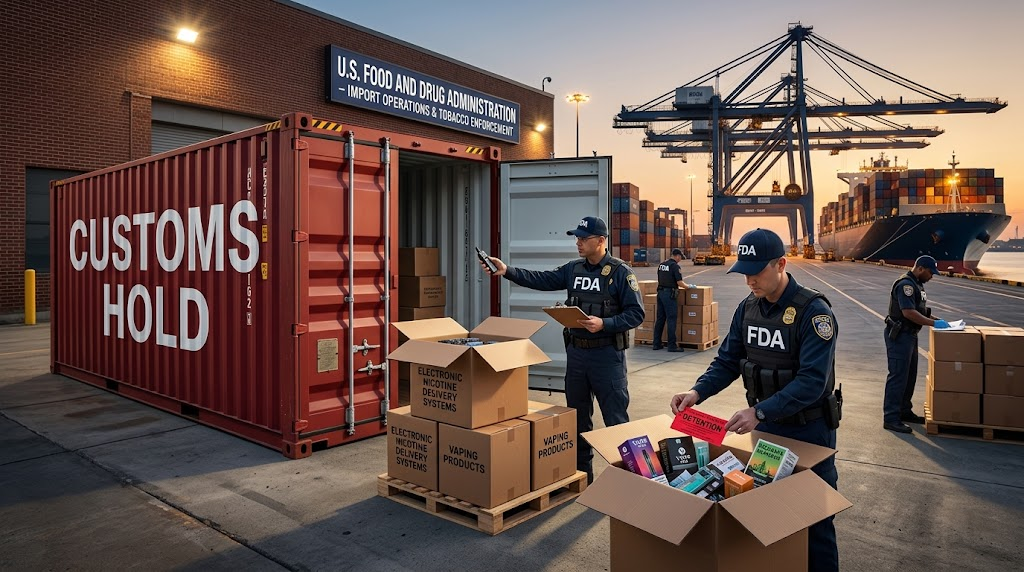
The U.S. Food and Drug Administration has revised the rules under Import Alert 98-07 to incorporate its May 2026 enforcement-priority policy for certain electronic nicotine delivery systems marketed without premarket authorization. The alert continues to allow detention without physical examination, or DWPE, for ENDS lacking required marketing authorization, while directing field divisions to apply the May risk-based framework. When necessary, detention or refusal decisions must also undergo review by the FDA's Center for Tobacco Products. Products including PACHA and Vuse Pro have already emerged as industry examples of the May policy, although enforcement discretion does not constitute FDA marketing authorization.
News
Sep.28 by 2Firsts Perspectives
JTI Invests ₱2.1 Billion to Upgrade Batangas Manufacturing Hub, Adds First Southeast Asia DIET Facility
JTI Asia Manufacturing Corp. has invested ₱2.1 billion, or about $37 million, in its manufacturing site in Malvar, Batangas, Philippines, to expand tobacco-processing capabilities. About ₱1.9 billion is allocated to JTI's first Dry Ice Expanded Tobacco, or DIET, facility in Southeast Asia, while more than ₱177 million has been spent on expanding its Controlled Atmosphere treatment facility. The Batangas plant supplies the Philippine market and exports to 22 overseas markets, making it one of JTI's key manufacturing hubs in Asia.
Sep.24
Special Report|From CrossBar 20K to 6-Methyl Nicotine KUMI: Two Routes Into U.S. State Vape Directories?
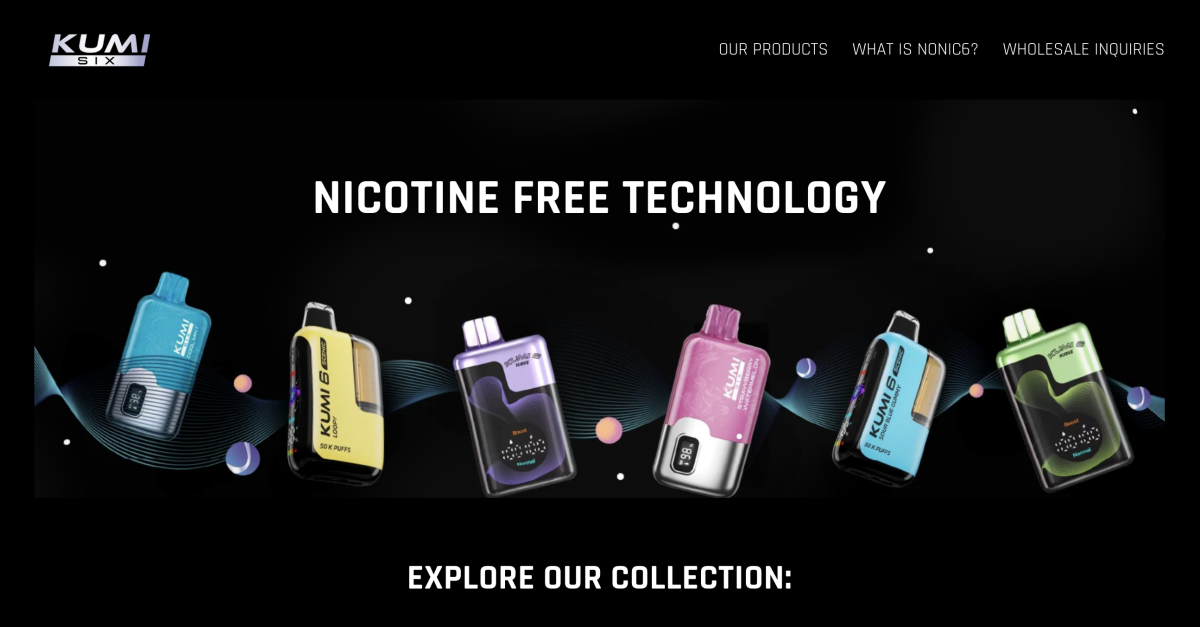
Several U.S. states have incorporated the September 9, 2020 PMTA filing deadline into eligibility rules for certain vaping products. CrossBar 20K drew attention after appearing on Pennsylvania's 163-entry directory. A broader 2Firsts investigation found that related registration businesses also listed KUMI and CROSSBAR SIX products, with 171 KUMI-related entries across Louisiana, Nebraska and Wisconsin. Corporate records link Scott Silverman to Blue Nine LLC and VR Products I LLC. PMTA compliance expert Mr. K said historical applications and nicotine-analogue products may offer two different approaches to state-directory access.
Regulations
Oct.26
As Regulators Focus on Nicotine Pouch Child Safety, Safeguard Pursues an External Packaging Route
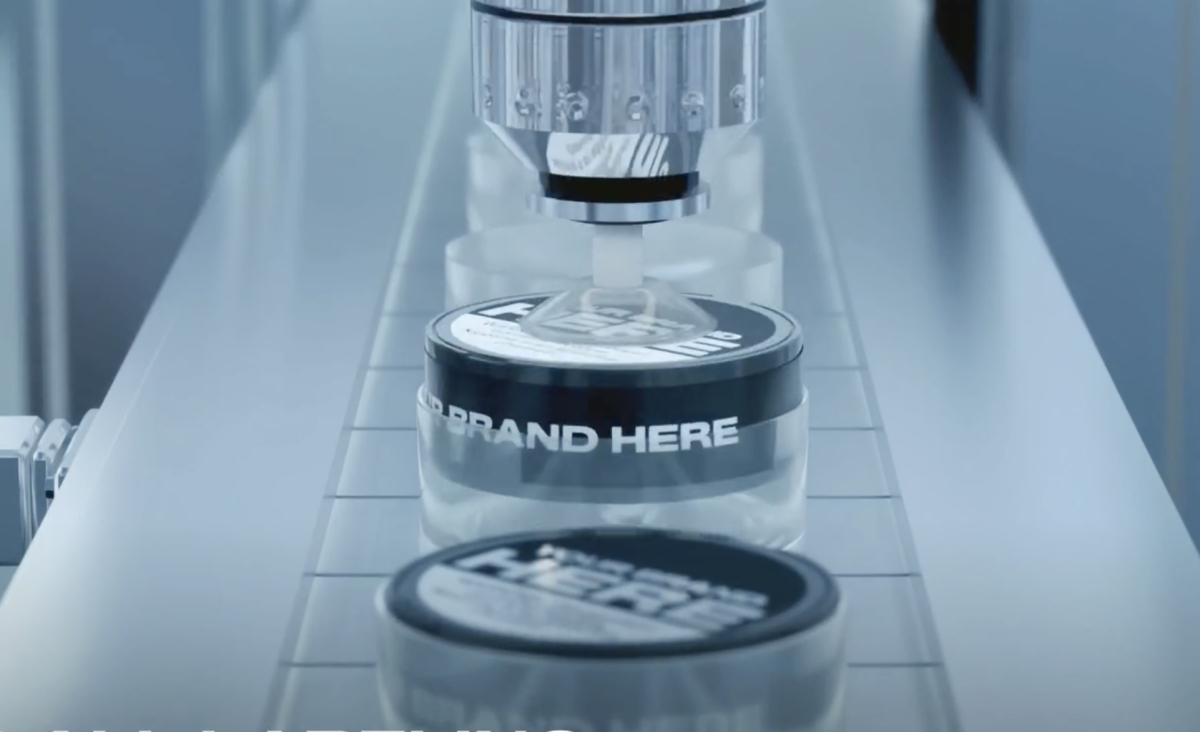
As regulators pay closer attention to child safety in nicotine pouches, manufacturers face a practical challenge: how to strengthen child-resistant packaging without unnecessarily reworking products, production lines and regulatory submissions already in place. In a written interview with 2Firsts, Chemular detailed Safeguard’s external packaging approach, its customer-specific testing requirements and possible PMTA pathways. The model remains early-stage, but it offers a new way to think about an increasingly important regulatory and manufacturing issue.
Industry Insight
Sep.19
Philippines Mandates Safety Certification for Nicotine Pouches, Gives Industry 12 Months to Comply
The Philippines Department of Trade and Industry has placed nicotine pouches under mandatory product certification through Department Administrative Order No. 26-07, Series of 2026. Nicotine pouches must obtain a Philippine Standard, or PS, license before they can be manufactured, imported, packed, distributed or sold in the country. The regime requires testing for nicotine content, pH and water activity, while packaging must disclose nicotine strength, ingredients, allergens, batch information, the PS certification mark and prescribed health warnings. Existing market participants have a 12-month transition period to comply.
Regulations
Oct.12
South Korea Fully Reviews Nicotine-Analog and Nicotine-Free Vape Liquid Imports, With Over 99% From China and Chinese Supply-Chain Documents Under Scrutiny
Korea Customs Service has tightened import controls on nicotine-analog and nicotine-free e-cigarette liquids, placing the products under 100% document review and subjecting all e-cigarette liquid import declarations to pre-clearance ingredient analysis. As of September 20, 2026, South Korea had imported about 15 metric tons of nicotine-analog liquids, 99.99% from China, and about 316 metric tons of nicotine-free liquids, including roughly 315 metric tons, or 99.7%, from China. The measures follow South Korea's April expansion of its tobacco definition to include synthetic nicotine products and include new checks on Chinese manufacturing, transaction and export documentation.
Sep.24