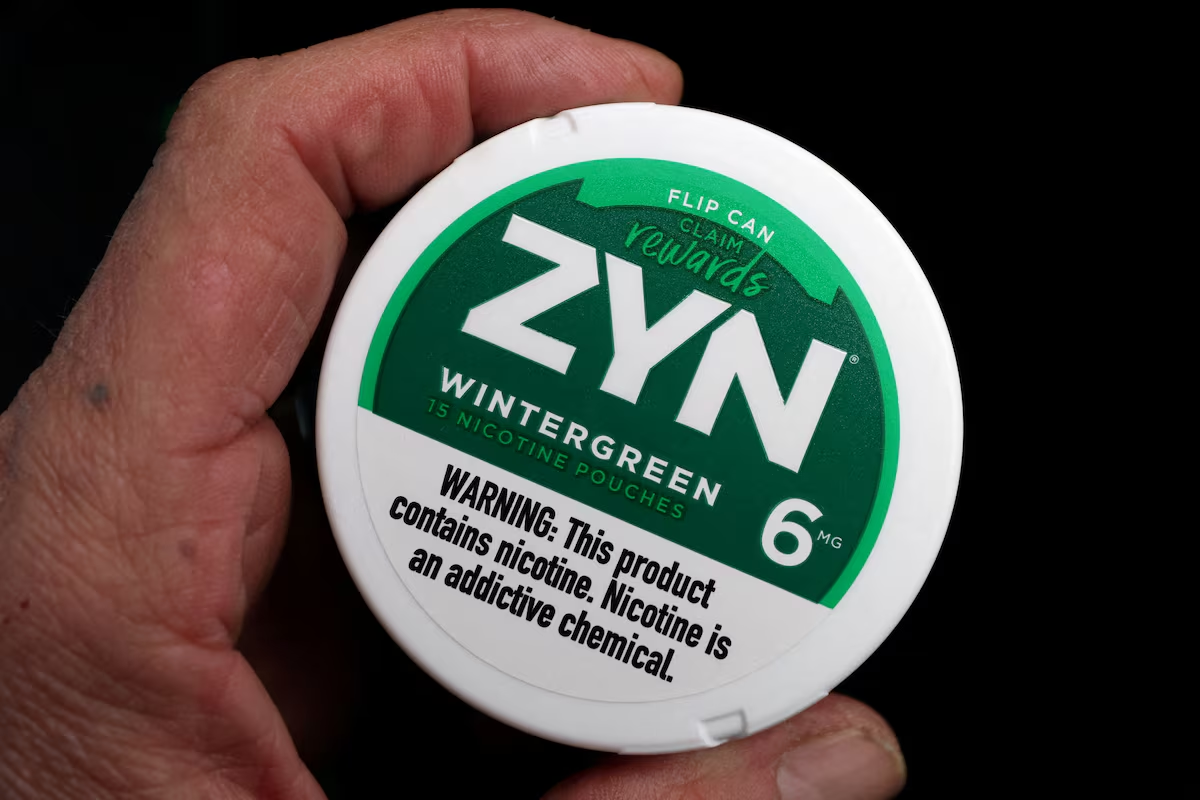
People who reported smoking or vaping prior to their hospitalization for COVID-19 were more likely than their counterparts who did not smoke or vape to experience severe complications, including death, from the SARS-CoV-2 infection. The findings are from a new study based on data from the American Heart Association's COVID-19 CVD Registry and published in PLOS ONE.
Researchers examined data on people over 18 years of age who were hospitalized with COVID-19 in 107 registry-participating hospitals across the nation between January 2020 to March 2021. Smoking status was self-reported and people were classified as smoking if they reported currently using either traditional, combustible cigarettes or e-cigarette products, with no distinction between the two and no information on duration of smoking or former smoking status. For the final analysis, records were selected for 4,086 people with a 1:2 ratio of people who smoked (1,362) to people who did not smoke (2,724), with the two groups matched for no statistically significant difference in age, sex, race, medical history or medication.
The study findings indicate smoking or vaping are associated with more severe COVID-19 independent of age, sex, race or medical history:
- People who reported smoking were 45% more likely to die and 39% more likely to receive mechanical ventilation when compared with those who did not smoke.
- Although the excessive risk due to smoking was independent of medical history and medication use, smoking was a stronger risk factor for death in people between 18-59 years of age and those who were white or had obesity.
"In general, people who smoke or vape tend to have a higher prevalence of other health conditions and risk factors that could play a role in how they are impacted by COVID-19. However, the robust and significant increase in the risk of severe COVID-19 seen in our study, independent of medical history and medication use and particularly among young individuals, underscores the urgent need for extensive public health interventions such as anti-smoking campaigns and increased access to cessation therapy, especially in the age of COVID," said the study's senior author, Aruni Bhatnagar, Ph.D., FAHA, a professor of medicine, biochemistry and molecular biology at the University of Louisville in Louisville, Kentucky. "These findings provide the clearest evidence to date that people who smoke or vape have a higher risk of developing severe COVID-19 and dying as a result of SARS-CoV-2 infection."
Bhatnagar is co-director of the American Heart Association's Tobacco Center for Regulatory Science which supported the study in part with funding from the U. S. National Institutes of Health and the Food and Drug Administration research grants.
"We established the COVID-19 CVD Registry early on in the pandemic to better understand the link between COVID-19 and cardiovascular disease, specifically, to identify increased risk to help inform the diagnosis and care of people who are at highest risk for complications," said Sandeep R. Das, M.D., M.P.H., M.B.A., FAHA, co-chair of the steering committee for the American Heart Association COVID-19 CVD Registry Powered by Get With The Guidelines and director for Quality and Value in the Cardiology Division at UT Southwestern Medical Center in Dallas, Texas. "The findings of this study deliver on that goal and provide invaluable information individuals and their healthcare teams."
The American Heart Association launched the registry in 2020 to gather data specific to all patients hospitalized with COVID-19 as part of the Get With The Guidelines quality improvement program. Registry participation was offered at no cost to all U.S. hospitals caring for adults with active COVID-19 and with the infrastructure to support accurate data collection. More than 160 hospitals provided data on more than 79,000 patient records between 2020 and June 2022.
The content excerpted or reproduced in this article comes from a third-party, and the copyright belongs to the original media and author. If any infringement is found, please contact us to delete it. Any entity or individual wishing to forward the information, please contact the author and refrain from forwarding directly from here.