Sydney Inner West Council to Regulate Tobacco and E-cigarette Stores

Regulations by 2FIRSTS.ai
Feb.16.2024
Sydney Inner West Council to Regulate Tobacco and E-cigarette Stores
Sydney's Inner West council votes to curb spread of tobacco and e-cigarette shops, proposing new regulations to restrict numbers.

The Inner West Council in Sydney, Australia has now decided to prevent the spread of tobacco and e-cigarette shops in the Inner West area.


Mayor Darcy Bain's mayor's special report, proposing new regulations to limit and reduce the number of these stores, has been unanimously approved. The council is seeking new regulatory powers to implement the reforms, including:


All tobacco and e-cigarette shops are required to submit development applications before opening to restrict and reduce the total number of these stores in New South Wales and the Inner West region. This will limit the ability of these stores to open near schools and areas where children gather. Baird stated, "There are already over 19,000 registered tobacco shops in New South Wales, and tobacco and e-cigarette shops are spreading in every community and main street. It is time to put a stop to it.


New liquor stores are required to submit a complete development application and a social impact assessment, whereas tobacco shops can currently open for business with just a few forms. For example, the "Tobacco Candy Store" in Dartwich Mountain is a shameful example of how these stores target our children. It is time to draw a line and regulate these establishments.


A large number of tobacco and e-cigarette shops opening near elementary and middle schools pose a real threat to children's health and must be restricted. We are seeking regulatory authority to prevent and reverse the proliferation of these businesses on our streets, especially on the main roads that children use to travel to and from school.


As the federal government attempts to ban e-cigarettes, thousands of new tobacco shops are opening every year without any restrictions. Allowing these stores to expand rapidly in every suburb and town in New South Wales after decades of tobacco advertising bans is absurd. Now is the time for action.


We welcome news tips, article submissions, interview requests, or comments on this piece.

Please contact us at info@2firsts.com, or reach out to Alan Zhao, CEO of 2Firsts, on LinkedIn


Notice

1.  This article is intended solely for professional research purposes related to industry, technology, and policy. Any references to brands or products are made purely for objective description and do not constitute any form of endorsement, recommendation, or promotion by 2Firsts.

2.  The use of nicotine-containing products — including, but not limited to, cigarettes, e-cigarettes, nicotine pouchand heated tobacco products — carries significant health risks. Users are responsible for complying with all applicable laws and regulations in their respective jurisdictions.

3.  This article is not intended to serve as the basis for any investment decisions or financial advice. 2Firsts assumes no direct or indirect liability for any inaccuracies or errors in the content.

4.  Access to this article is strictly prohibited for individuals below the legal age in their jurisdiction.


Copyright


This article is either an original work created by 2Firsts or a reproduction from third-party sources with proper attribution. All copyrights and usage rights belong to 2Firsts or the original content provider. Unauthorized reproduction, distribution, or any other form of unauthorized use by any individual or organization is strictly prohibited. Violators will be held legally accountable.

For copyright-related inquiries, please contact: info@2firsts.com


AI Assistance Disclaimer


This article may have been enhanced using AI tools to improve translation and editorial efficiency. However, due to technical limitations, inaccuracies may occur. Readers are encouraged to refer to the cited sources for the most accurate information.

We welcome any corrections or feedback. Please contact us at: info@2firsts.com

US ITC Judge Finds Glas Infringed Two JUUL Vape Patents, Recommends Restrictions on Related Imports——Glas Received FDA Marketing Authorization for Four Vape Pods in May 2026; Proposed Restrictions Remain Under Commission Review
A U.S. International Trade Commission (USITC) administrative law judge issued an initial determination on October 20, 2026, finding that certain Glas vaping devices, cartridges and components infringed 12 claims across two patents asserted by JUUL, constituting a violation of Section 337 of the Tariff Act of 1930. The judge recommended a limited exclusion order and a cease and desist order against the Glas respondents. Five months earlier, the FDA authorized four Glas e-cigarette pods, including mango, blueberry and two menthol variants. The patent investigation concerns device and cartridge structures and is separate from FDA premarket review. The proposed import restrictions have not become final, and their product-level scope remains unresolved.
company
Nov.05
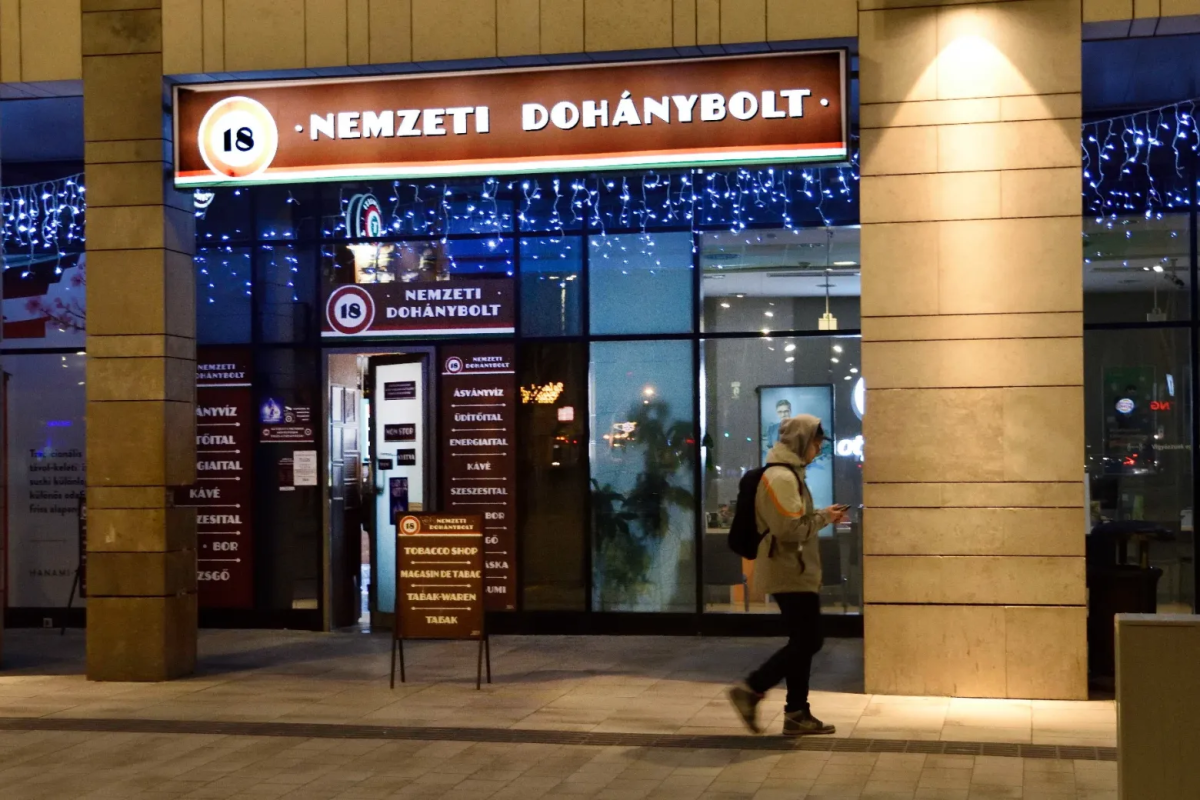
Hungary Moves to End BAT-Backed Tobacco Supply Monopoly Eight Years Early After $200 Million in Profits, With No Compensation Planned
Hungary's government announced on November 18, 2026, plans to terminate the exclusive tobacco retail supply concession held by Országos Dohányboltellátó (ODBE) on June 1, 2027, approximately eight years before the contract's scheduled expiry in 2035. ODBE is owned 49% by a Hungarian subsidiary of British American Tobacco (BAT) and 51% by Tabán Trafik. It has served as the exclusive supplier to Hungary's licensed tobacco retail network since 2015. The proposed legislation would end the concession without compensation and allow other qualified suppliers and tobacco wholesalers to serve retailers directly. ODBE generated HUF 67.3 billion (approximately $200 million) in after-tax profit between 2015 and 2025 and distributed nearly HUF 64 billion ($191 million) in dividends. The bill also proposes changes to retail margins, inventory rules, payment arrangements and procurement penalties, including those affecting heated tobacco products.
company
Nov.19 by 2Firsts Perspectives
New York City Opens Lottery for 55 Vape Retail License Slots Across 23 Community Districts, Including 28 in Brooklyn
New York City's Department of Consumer and Worker Protection (DCWP) opened applications on November 2, 2026, for a lottery covering tobacco and electronic cigarette retail dealer licenses, with a deadline of 5 p.m. New York local time on November 30. According to the city's October 1 notice, 55 electronic cigarette retail license slots are available across 23 community districts, including 28 in Brooklyn, alongside 322 tobacco retail license slots across 41 districts. Businesses must enter the lottery and, if invited, complete licensing requirements within 65 days. New York City continues to restrict e-cigarette retail sales to tobacco-flavored or unflavored products, while city retail licenses do not replace FDA product marketing authorization.
Market
Nov.04
FDA Unifies Tobacco Registration and Product Listing Form Across Product Categories
The U.S. FDA has consolidated two tobacco establishment registration and product listing forms into a redesigned Form FDA 3741 covering all regulated product categories, including e-cigarettes, heated tobacco products and nicotine pouches. The current requirements remain limited to domestic establishments. Separately, the FDA has proposed extending registration and product listing requirements to foreign manufacturers, signaling greater regulatory attention to manufacturing entities and product-level information across the tobacco and nicotine supply chain.
FDA
Sep.30
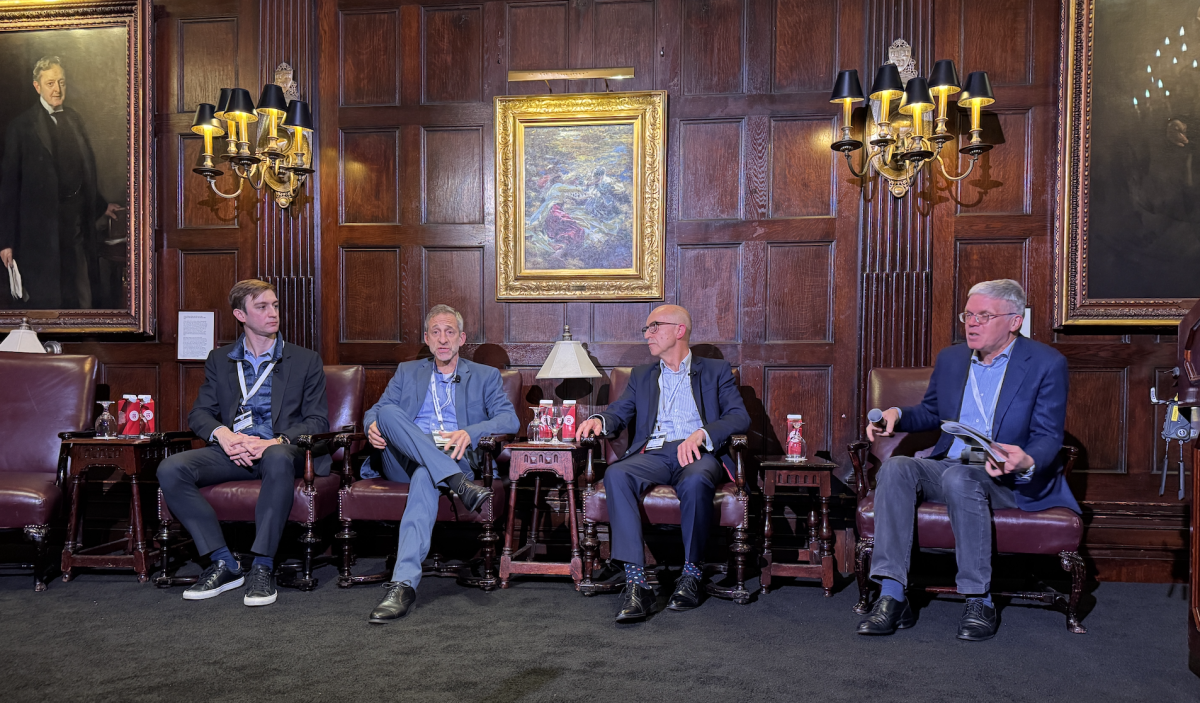
Special Report | How Capital Is Reassessing the Global Tobacco and Modern Nicotine Industry: Lessons from a New York Forum
Capital is reassessing the global tobacco and modern nicotine industry as heated tobacco, vaping and nicotine pouches reshape demand, profitability and regulation. At the 2026 New Approaches Summit in New York, investors and analysts examined whether smoke-free growth can sustain earnings, how regulation shapes startup value, and whether shareholder engagement can be more effective than divestment. The debate points to a broader shift: tobacco transition is increasingly becoming a capital-allocation, governance and valuation question.
Capital Markets
Oct.05
Australia Adds 6-Methylnicotine to Schedule 9 Prohibited Substances, Effective October 1
Australia's Therapeutic Goods Administration published a final decision on September 25 to classify 6-methylnicotine as a Schedule 9 prohibited substance under the Poisons Standard, effective October 1, 2026. TGA said the chemical has been reported in e-cigarette liquids sold in Australia and marketed as nicotine-free or nicotine alternatives, while evidence also indicates its use in preparations such as oral pouches. The government originally proposed a Schedule 7 classification but ultimately adopted the stricter Schedule 9 designation, citing acute toxicity, dependence risk, use in unapproved consumer products and misleading marketing.
News
Sep.29 by 2Firsts Perspectives