Taiwan Health Department: Over NT$20 Million Fines for E-cigarette

Regulations by 2FIRSTS.ai
Aug.15.2024
Taiwan Health Department: Over NT$20 Million Fines for E-cigarette
Taiwan Health Ministry fines over NT$20 million for e-cigarette use in first half of 2024

According to Taiwan News reported on August 15th, the Taiwanese Ministry of Health announced that the total fines imposed in the first half of 2024 for using e-cigarettes have exceeded NT$20 million (US$618,000).


The revised Tobacco Hazards Prevention Act of March 2023 prohibits the manufacturing, sale, and use of all types of e-cigarette products in Taiwan. Individuals caught using e-cigarettes can be fined up to 10,000 New Taiwan Dollars (309 US Dollars).


According to the report from the Central News Agency (CNA), a survey released by the Ministry of Health and Welfare shows that the rate of middle school students using e-cigarettes has risen to 3.9%, while high school students have increased to 8.8%. It is estimated that around 80,000 adolescents in Taiwan have been exposed to e-cigarettes.


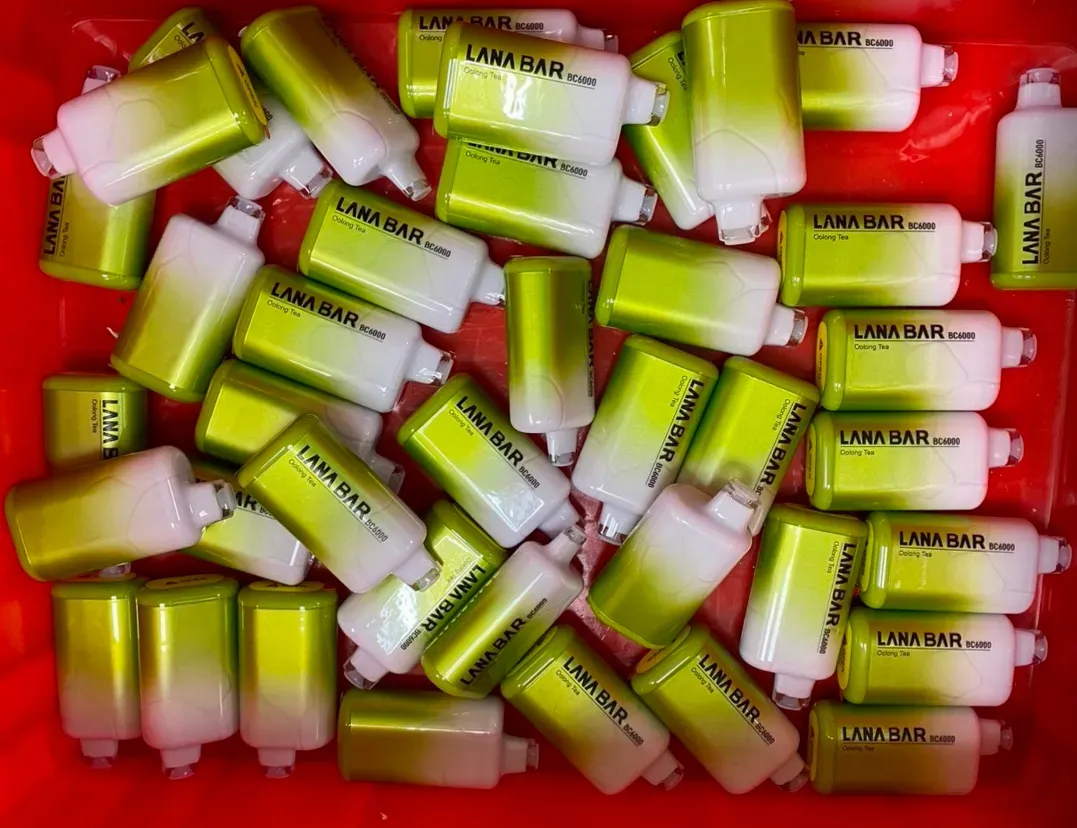
The head of the smoke prevention team in the department, Russell Ying, stated that this year, a total of over 160,000 e-cigarette products have been inspected in 22 counties and cities in Taiwan, China. Approximately 370 penalties have been issued for activities such as importing, selling, or using e-cigarettes, with total fines exceeding NT$20 million (US$618,000).


Despite the revision of the Tobacco Act in 2023, illegal tobacco products continue to be rampant. Russell Ying pointed out that in recent years, the e-cigarette industry has cleverly attracted young people by adding flavors and designs through marketing tactics. She urges young people to stay away from e-cigarettes.


We welcome news tips, article submissions, interview requests, or comments on this piece.

Please contact us at info@2firsts.com, or reach out to Alan Zhao, CEO of 2Firsts, on LinkedIn


Notice

1.  This article is intended solely for professional research purposes related to industry, technology, and policy. Any references to brands or products are made purely for objective description and do not constitute any form of endorsement, recommendation, or promotion by 2Firsts.

2.  The use of nicotine-containing products — including, but not limited to, cigarettes, e-cigarettes, nicotine pouchand heated tobacco products — carries significant health risks. Users are responsible for complying with all applicable laws and regulations in their respective jurisdictions.

3.  This article is not intended to serve as the basis for any investment decisions or financial advice. 2Firsts assumes no direct or indirect liability for any inaccuracies or errors in the content.

4.  Access to this article is strictly prohibited for individuals below the legal age in their jurisdiction.


Copyright


This article is either an original work created by 2Firsts or a reproduction from third-party sources with proper attribution. All copyrights and usage rights belong to 2Firsts or the original content provider. Unauthorized reproduction, distribution, or any other form of unauthorized use by any individual or organization is strictly prohibited. Violators will be held legally accountable.

For copyright-related inquiries, please contact: info@2firsts.com


AI Assistance Disclaimer


This article may have been enhanced using AI tools to improve translation and editorial efficiency. However, due to technical limitations, inaccuracies may occur. Readers are encouraged to refer to the cited sources for the most accurate information.

We welcome any corrections or feedback. Please contact us at: info@2firsts.com

Imperial Brands Explains What the UK Tobacco and Vapes Act 2026 Means for Retailers
Imperial Brands has outlined what the newly approved UK Tobacco and Vapes Act 2026 means for retailers. The legislation received Royal Assent on April 29, 2026, and gives the Government powers to extend tobacco-style regulation to a wider range of products, including vaping products, heated tobacco, nicotine pouches and cigarette papers. Imperial Brands emphasized that most measures will be introduced in phases rather than taking effect immediately.
May.11 by 2FIRSTS.ai
Cambodia Moves to Draft New Tobacco Control Strategy Targeting Illicit Products and E-Cigarette Spread
Cambodian Health Minister Cheang Ra has called for the development of a tobacco control strategy for 2027–2031, with the goal of reducing tobacco use by 30% by 2030. The directive was issued during a Tobacco Product Control Committee meeting in Phnom Penh. Priority areas include reducing tobacco use, protecting the public from secondhand smoke, tackling illegal and counterfeit tobacco products, and preventing the spread of e-cigarettes.
Apr.29 by 2FIRSTS.ai
Nature Health Comment Urges Wider Role for Smoke-Free Nicotine Products in Tobacco Control
Ahead of World No Tobacco Day, a Nature Health Comment by Robert Beaglehole, Ruth Bonita and Tikki Pang argues that regulated smoke-free nicotine products could help accelerate the global decline in smoking. The authors propose a “smoke-free 2040” goal and call for risk-proportionate regulation distinguishing cigarettes from lower-risk nicotine alternatives.
News
May.20
Bloomberg: Zyn’s Dry-Mouth Problem Threatens Its Hold on Nicotine Pouch Market
According to Bloomberg, Philip Morris International’s Zyn is facing growing competition in the U.S. nicotine pouch market as consumers shift toward moister alternatives such as British American Tobacco’s Velo Plus.
BATPMI
May.22
How AI Is Rewriting the Talent Playbook for the Nicotine Industry: JTI’s Case
AI is moving from a back-office tool to a core organizational capability in the nicotine industry. Based on JTI’s responses, this 2Firsts feature examines how AI is reshaping talent strategy, internal mobility, decision-making and human accountability as global tobacco companies compete in the shift toward new nicotine categories.
Jun.17
Bringing Tax and Insurance Into Nicotine Regulation: Insights From a Tobacco Harm-Reduction Report
A smoke-free nicotine policy report argues that tobacco harm reduction should move beyond product bans and health warnings into tax policy, insurance pricing and risk-based regulation. While some projections remain open to debate, the report highlights a wider challenge: nicotine products, technologies and consumer behavior have changed sharply over the past decade, and regulatory systems may need new tools to better align tobacco control with harm-reduction goals.
Jun.08