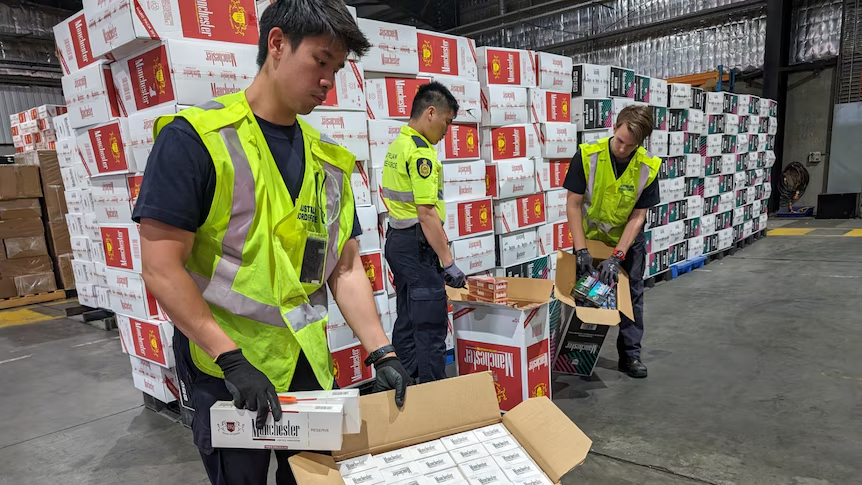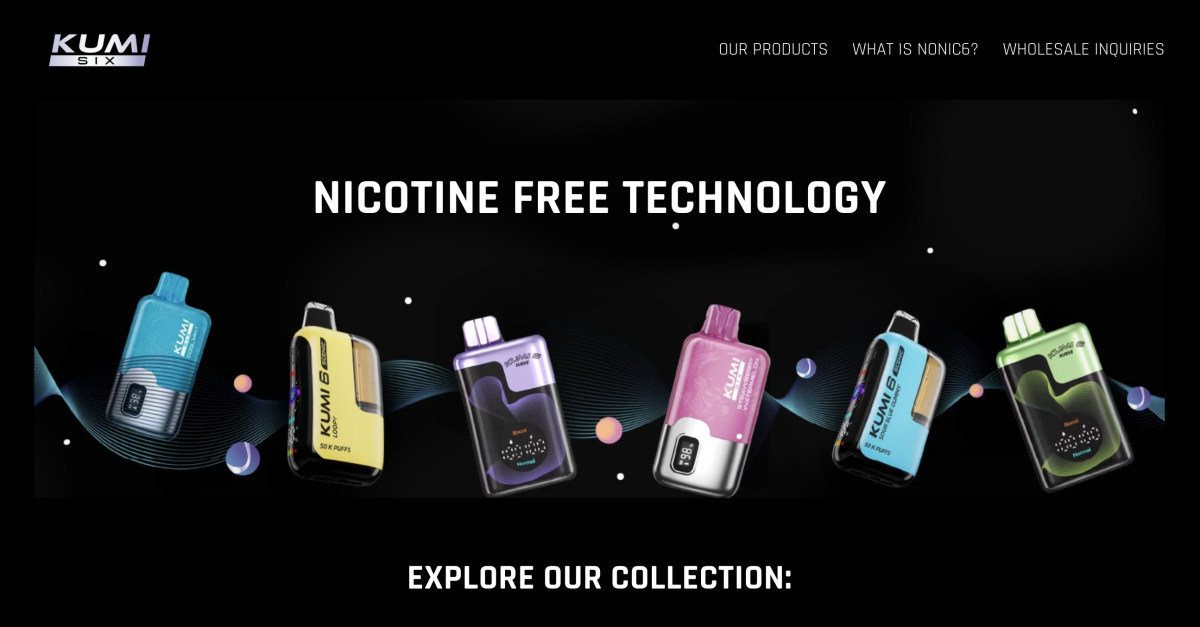
According to a report in the Daily News on July 16th, Thai customs has seized 1 million e-cigarettes in the past 9 months.
The spokesperson for the Customs Department of Thailand, Panthong Loikunnan, revealed that during the period from October 1, 2023 to June 30, 2024, the Customs General Administration has identified a total of 3,611 cases of illegal import and export of goods, with a total value of 1.282 billion Thai Baht (35.38 million US dollars). Among these cases, important items include e-cigarettes, e-cigarette devices, e-cigarette liquids, Arabian shishas, and electronic hookahs, with a total of 280 cases involving 957,033 items, valued at 82.7 million Thai Baht (2.28 million US dollars). Additionally, 1,496 cases involving cigarettes were also identified, with a total of 22.8 million cigarettes valued at 1.35 billion Thai Baht (3.73 million US dollars).
Interestingly, this year the department seized nearly one million e-cigarettes, as more and more Thai people are turning to e-cigarettes instead of traditional cigarettes. Specifically, young people are increasingly shifting towards e-cigarettes, even though they are illegal products, there is still a large amount of smuggling taking place.
The General Administration of Customs has responded to policies by further strengthening the work of customs inspection stations nationwide, increasing patrols, setting up inspection points and interception points, especially at borders, natural channels, and various transit points, including major and minor routes, to prevent and deter illegal activities, particularly drug smuggling, illegal goods, and various illegal products transport, such as drugs, e-cigarettes and devices, cannabis smoke, non-compliant products (TISI), goods infringing on intellectual property rights, agricultural products (including rubber and pork and their edible parts), and fuel, etc. In addition, they are collaborating with relevant departments, sharing intelligence information, and taking in-depth actions to crackdown on the import and export of illegal goods in accordance with the policies of the Prime Minister.
According to Pan Tong, in the 2024 fiscal year, the total revenue of the Thai Customs Department was 469.62 billion baht (13 billion US dollars), with customs revenue at 88.32 billion baht (2.4 billion US dollars), exceeding expected revenue by 2.802 billion baht (77.33 million US dollars), an increase of 3.3%. In addition, revenue collected on behalf of other departments was 381.231 billion baht (10.5 billion US dollars), with 293.928 billion baht (8.1 billion US dollars) collected on behalf of the Revenue Department, 49.676 billion baht (1.4 billion US dollars) collected on behalf of the Customs Department, and 37.626 billion baht (1 billion US dollars) collected on behalf of the Ministry of Interior.
The General Administration of Customs has stated that it will continue to take measures to improve tax collection and management efficiency, as well as close tax loopholes.
We welcome news tips, article submissions, interview requests, or comments on this piece.
Please contact us at info@2firsts.com, or reach out to Alan Zhao, CEO of 2Firsts, on LinkedIn
Notice
1. This article is intended solely for professional research purposes related to industry, technology, and policy. Any references to brands or products are made purely for objective description and do not constitute any form of endorsement, recommendation, or promotion by 2Firsts.
2. The use of nicotine-containing products — including, but not limited to, cigarettes, e-cigarettes, nicotine pouchand heated tobacco products — carries significant health risks. Users are responsible for complying with all applicable laws and regulations in their respective jurisdictions.
3. This article is not intended to serve as the basis for any investment decisions or financial advice. 2Firsts assumes no direct or indirect liability for any inaccuracies or errors in the content.
4. Access to this article is strictly prohibited for individuals below the legal age in their jurisdiction.
Copyright
This article is either an original work created by 2Firsts or a reproduction from third-party sources with proper attribution. All copyrights and usage rights belong to 2Firsts or the original content provider. Unauthorized reproduction, distribution, or any other form of unauthorized use by any individual or organization is strictly prohibited. Violators will be held legally accountable.
For copyright-related inquiries, please contact: info@2firsts.com
AI Assistance Disclaimer
This article may have been enhanced using AI tools to improve translation and editorial efficiency. However, due to technical limitations, inaccuracies may occur. Readers are encouraged to refer to the cited sources for the most accurate information.
We welcome any corrections or feedback. Please contact us at: info@2firsts.com