The FDA Criticised for not Enforcing The Synthetic Nicotine Ban

Industry InsightRegulations
Jul.18.2022
After being criticised for not enforcing the synthetic nicotine ban, the FDA started sending warnings to non-authorized manufacturers and retailers of the products.

On July 13th the FDA announced that it sent two warning letters to manufacturers marketing non-authorized synthetic nicotine products and over 100 warning letters to retailers selling synthetic nicotine products to minors.
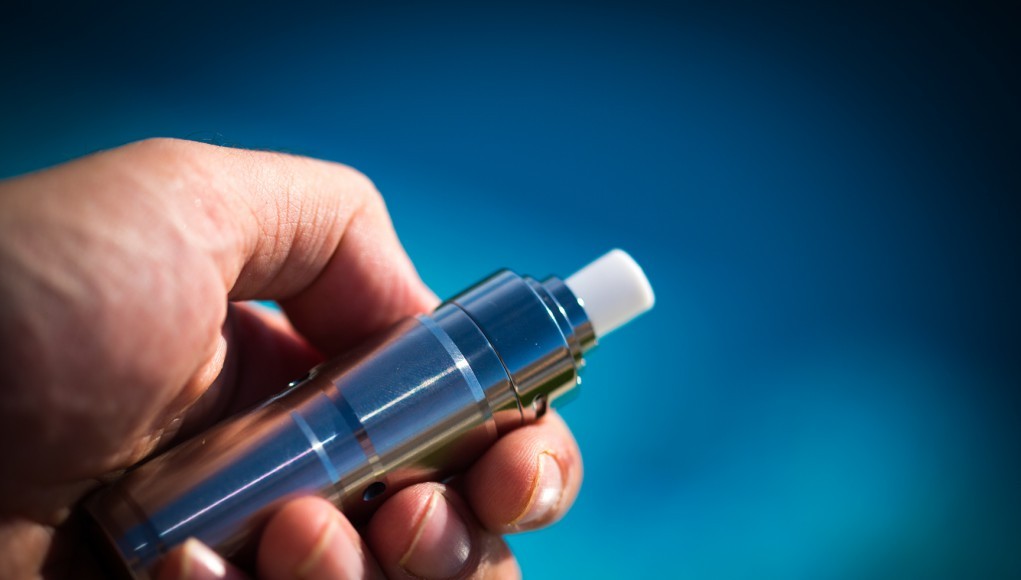
The FDA Criticised for not Enforcing The Synthetic Nicotine Ban


Synthetic products, which are often sold in fruity flavors and are popular with teens, have previously been exempt from FDA regulations because they are made from nicotine made in a lab, rather than nicotine extracted from tobacco leaf.

However, following a legislation enacted on March 15th, the US Food and Drug Administration (FDA) has been given the authority to regulate tobacco products containing nicotine from any source. This has led to a ban on synthetic nicotine.


After the passing of the synthetic nicotine ban, the Vapor Trade Association (VTA) immediately began working on a strategy to ensure a viable path for companies which are selling the products. Moreover, the VTA’s Board of Directors and members met with the FDA Center for Tobacco Products (CTP) to discuss the ban.


The FDA personnel in attendance included over 35 senior leaders, representing seven different offices inside CTP. The VTA held presentations by three Ph.D’s in Organic Chemistry and Physical Analytical Chemistry, in order to frame critical scientific and public policy issues that we believe had not previously been presented to or considered by the FDA.


Synthetic nicotine manufacturers had to submit premarket applications by May 14th


The March legislation required synthetic nicotine manufacturers to submit premarket applications by May 14, 2022, and any brand which had not submitted these documents would be considered illegal. However, until earlier this week this had never been enforced by the FDA.


Naturally this led to the agency being heavily criticised. In a letter, which cited STAT’s reporting on the agency’s lack of action, Senators Dick Durbin (D-Ill.) and Susan Collins (R-Maine), said that the FDA “appears to be on the brink of failing yet again at protecting our nation’s children.”


Meanwhile, on July 13th the FDA announced that it sent two warning letters to manufacturers marketing non-authorized synthetic nicotine products and over 100 warning letters to retailers who sold synthetic nicotine products to minors.


The content excerpted or reproduced in this article comes from a third-party, and the copyright belongs to the original media and author. If any infringement is found, please contact us to delete it. Any entity or individual wishing to forward the information, please contact the author and refrain from forwarding directly from here.



Moldova adopts new sanitary rules for tobacco products, e-cigarettes and related goods
Moldova is introducing new sanitary standards for tobacco products, e-cigarettes and related goods, with regulations adopted on January 14 aimed at protecting public health and tightening control over tobacco sales. The rules include measures to limit minors’ access to tobacco products, including via online shops, and establish procedures for notifications, reporting and market monitoring.
Jan.16 by 2FIRSTS.ai
Russia’s Rostov Region Eyes Full Vape Sales Ban, Signals Tighter Tobacco Retail Rules
Russia’s Rostov region is preparing to pursue a region-wide ban on vape sales and is also signaling support for broader regional powers to tighten tobacco retail rules. A regional lawmaker said the initiative aligns with a State Duma bill that would allow regions to impose vape sales bans—an initiative he said has presidential backing.
Jan.28 by 2FIRSTS.ai
Russia to Start Extrajudicial Blocking of Sites Selling Tobacco and Nicotine Products Online From March 1
Russia will introduce an extrajudicial (non-court) blocking mechanism starting March 1, 2026, allowing authorities to block websites selling tobacco and nicotine-containing products online without a court order. State Duma member Anton Nemkin said the change will place offending sites directly onto the prohibited information registry, speeding up enforcement, reducing the court burden, and increasing platform obligations to proactively monitor content.
Jan.29 by 2FIRSTS.ai
Kazakhstan’s Astana Baikonur District Fines Illegal Smokeless Tobacco Sales Over USD 5,800
Authorities in Astana’s Baikonur District have intensified enforcement against illegal smokeless tobacco and related products in 2025. Police conducted 59 inspection raids, identifying 63 cases of illegal sales of smokeless tobacco (nasvay). Total fines imposed reached KZT 3,096,450(approximately USD 5,880). Officials said inspections and preventive outreach will continue.
Dec.29 by 2FIRSTS.ai
Product | Claiming a “first multi-beverage vaporizer” with refillable juice/cocktail water chamber, PEAKBAR launches new device in the U.S.
PEAKBAR’s new H2O 40K has begun selling through U.S. online retailers including Vape Sourcing. Marketed as the “world’s first multi-beverage vaporizer,” the device is promoted as allowing users to add liquids such as juice and cocktails into a water chamber for pairing. Publicly listed specifications include 20 ml of e-liquid, a rated 40,000 puffs, 0.5% nicotine, a 1,000 mAh rechargeable battery, and two power modes at 22W and 12W.
Jan.22 by 2FIRSTS.ai
Singapore’s Underground Vape Chain Revealed:How Dispatchers, Telegram Groups, and Small “Online Shops” Form an Operating Model
A vape-related case reported by The Straits Times illustrates the typical operating methods of Singapore’s underground vape trade, including Telegram-based “online shops,” centrally coordinated scheduling, and small-volume, fragmented deliveries. The case highlights the segmented and concealed nature of the country’s black-market vape network. Drawing on the report, 2Firsts uses this case as a sample to map out the structure and operational patterns of Singapore’s underground vape chain.
Dec.02 by 2FIRSTS.ai