Special Statement:
1. This article is intended for internal industry communication only and does not endorse any brand or product.
2. The images shown in this article are for the purpose of factual description and are not advertisements for any product.
3. This article is not accessible to minors.
Special Report:
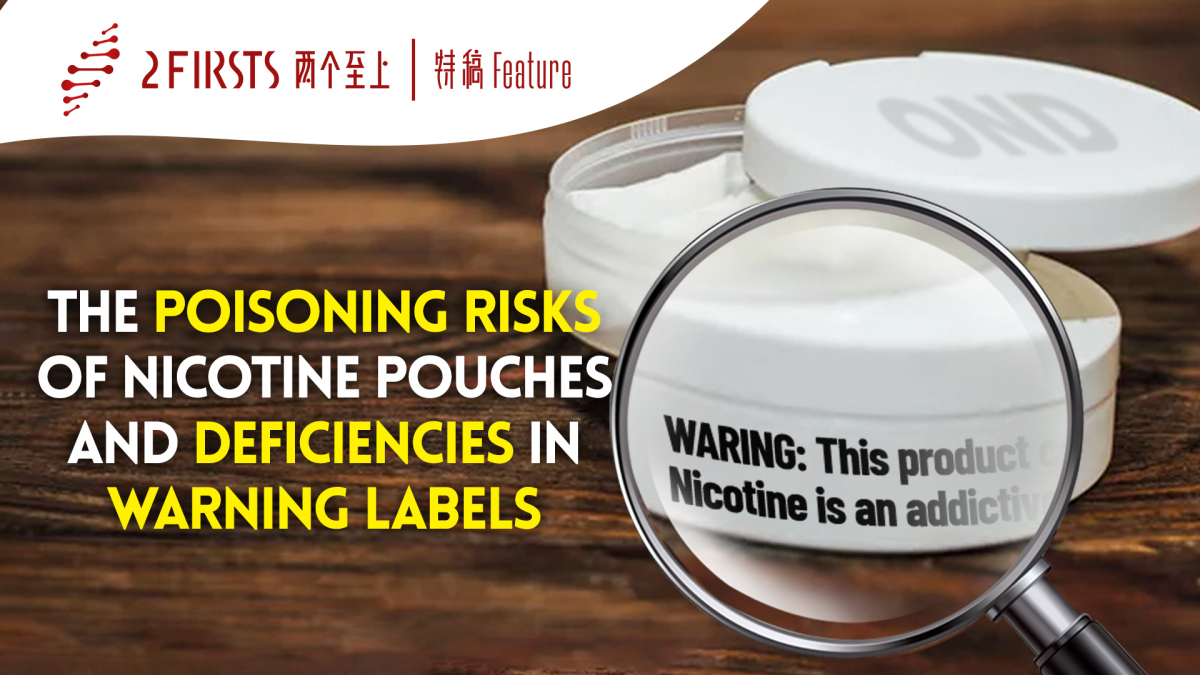
Risk of Nicotine Pouch Poisoning and Deficiencies in Warning Labels
As nicotine pouch products rapidly gain popularity worldwide, an increasing number of consumers are choosing them as alternatives to cigarettes or e-cigarettes. According to data from the "2023 World Tobacco Development Report," nicotine pouches, as a tobacco product that has risen rapidly in recent years, continued to experience high growth in 2023, with sales volume increasing by 43.5% to 15.51 billion pouches and sales revenue increasing by 61.1% to $7.86 billion. While nicotine pouches continue to grow rapidly, their potential risks have been closely monitored by regulators and researchers.
Cigarettes and e-cigarettes deliver nicotine through aerosols, which are then absorbed into the body through the lungs to produce their effects. Nicotine, on the other hand, is absorbed through the oral mucosa. Does the different absorption methods lead to different usage risks?
Recently, it was found that many nicotine pouch products on the market, when compared to e-cigarettes, mostly use warning labels similar to traditional cigarette warning labels. The question arises whether such risk warnings are sufficient to deter consumers from using these products, especially first-time users. 2Firsts reached out to several industry experts for their opinions on this matter.
Chen Zuxin, a specialist in nicotine biological effects research at the Advanced Institute in Shenzhen, stated that if consumers start feeling uncomfortable while using such products, it is very likely that they have consumed too much nicotine. The body continues to absorb nicotine even after stopping the use of the product, and the nicotine concentration does not immediately decrease. Therefore, this acute poisoning situation needs to be cautioned, especially for those using such products for the first time. Relevant information should be clearly marked on the packaging, warning users of the risks of acute poisoning.
Shivam Bihani, founder and CEO of the Indian nicotine pouch brand MYNT, stated that overall, all nicotine products or new generation products currently on the market do not have more detailed warning labels.
"We need to educate consumers more about information on these products, such as their side effects and other related issues."
Acute poisoning is not uncommon among first-time nicotine pouch users
At a trade show in early September, an employer of 2Firsts experienced symptoms of dizziness, chest tightness, sweating, numbness in hands, and shortness of breath after trying nicotine pouch products for the first time. They took several hours of rest before returning to normal.
In fact, cases of experiencing physical discomfort or even more severe symptoms after using nicotine pouch products for the first time are not isolated incidents.
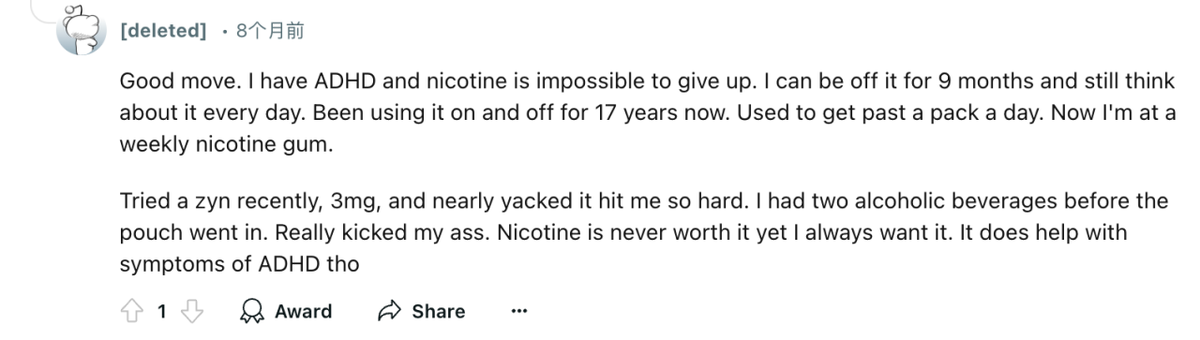
Some users on the American social platform Reddit have reported feeling unwell after using nicotine pouch products for the first time. One user mentioned trying a 3mg Zyn nicotine pouch recently and almost vomiting, stating that the effects were too strong (It hit me so hard).
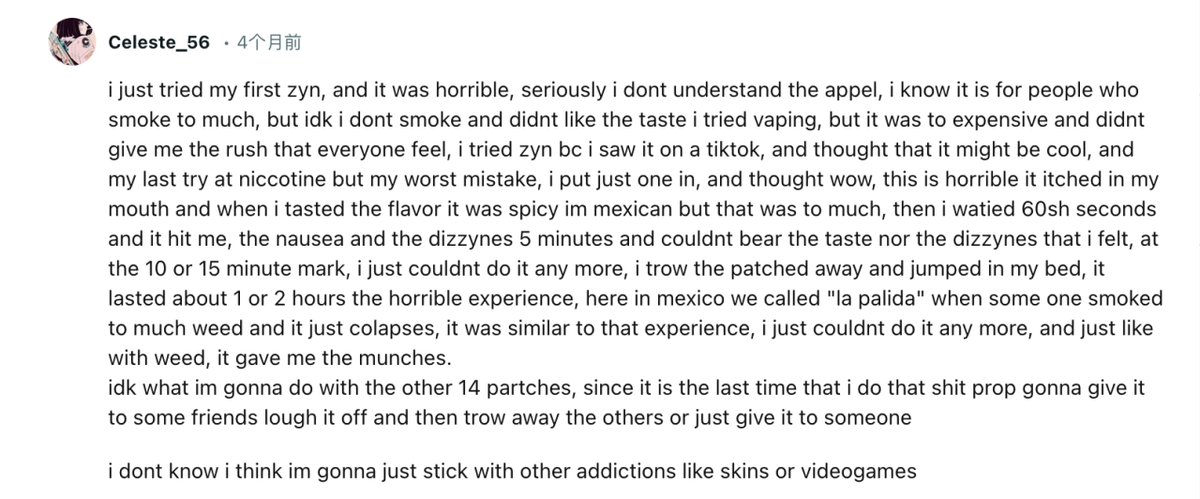
The user "Celeste_56" says that they first tried Zyn nicotine pouches because they saw them on TikTok and thought they seemed cool. They went on to describe in detail the symptoms they experienced in their body after trying the nicotine pouch for the first time.
"I only put one piece in my mouth, and right from the start, I felt 'wow, this is too uncomfortable,' my mouth was itching, and the taste was very spicy. I am Mexican, but that kind of spiciness was just too much. After about 60 seconds, I started feeling nauseous and dizzy, and five minutes later I couldn't stand the taste and dizziness anymore. Around 10 to 15 minutes, I really couldn't take it anymore, so I threw away the small bag and jumped straight into bed. That terrible feeling lasted for about one to two hours."
The warning labels on nicotine pouches often follow "cigarette standards
It is understood that different countries have implemented various forms of warning label standards for cigarettes. These warnings typically use text and images to inform consumers of the health risks of smoking and encourage quitting.
Recently, two researchers collected multiple nicotine pouch products from the market and found that the packaging of these products is quite similar, all in the shape of cylindrical discs.

From a positive perspective, most nicotine pouch packaging features a brand logo or iconic design, flavor, and includes a warning that "This product contains nicotine, a highly addictive chemical substance". The packaging clearly states the nicotine content.
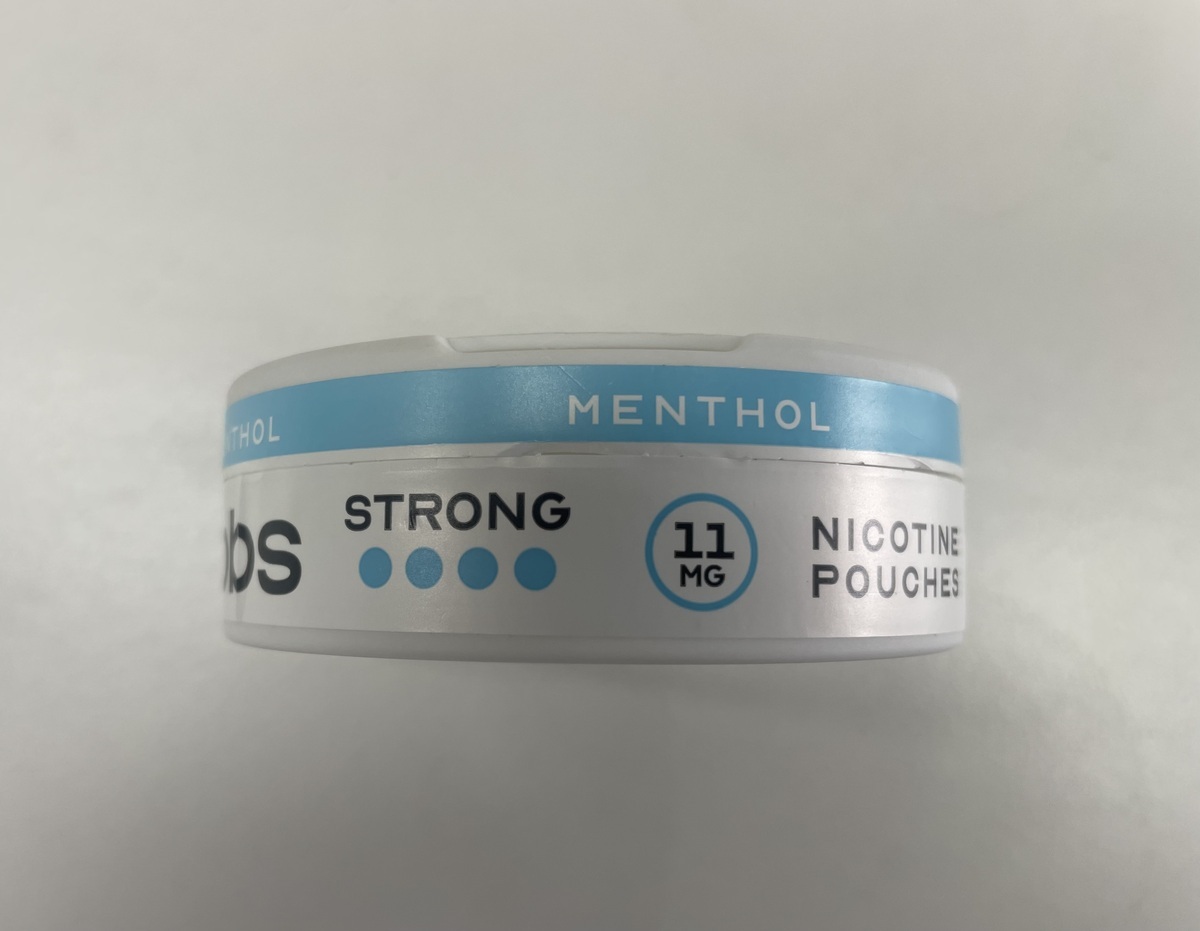
From a side view, some brands of nicotine pouch packaging only display the brand name, nicotine concentration, and other information, while a few brands use graphics or text to explain how to use the product. Particularly, on the packaging of übbs 11mg nicotine pouches, it also indicates the strength as "Strong", indicating that this 11mg nicotine pouch is a high-strength nicotine product.
From the bottom view, almost all brands of nicotine pouches have relevant warnings, but the contents of the warnings are not the same.
Some brand warnings are written as:
"This product contains nicotine, a highly addictive chemical substance. Some brands also include warning labels stating 'Swallowing toxic. May cause allergic reactions. If you feel unwell, contact a toxicologist doctor..."
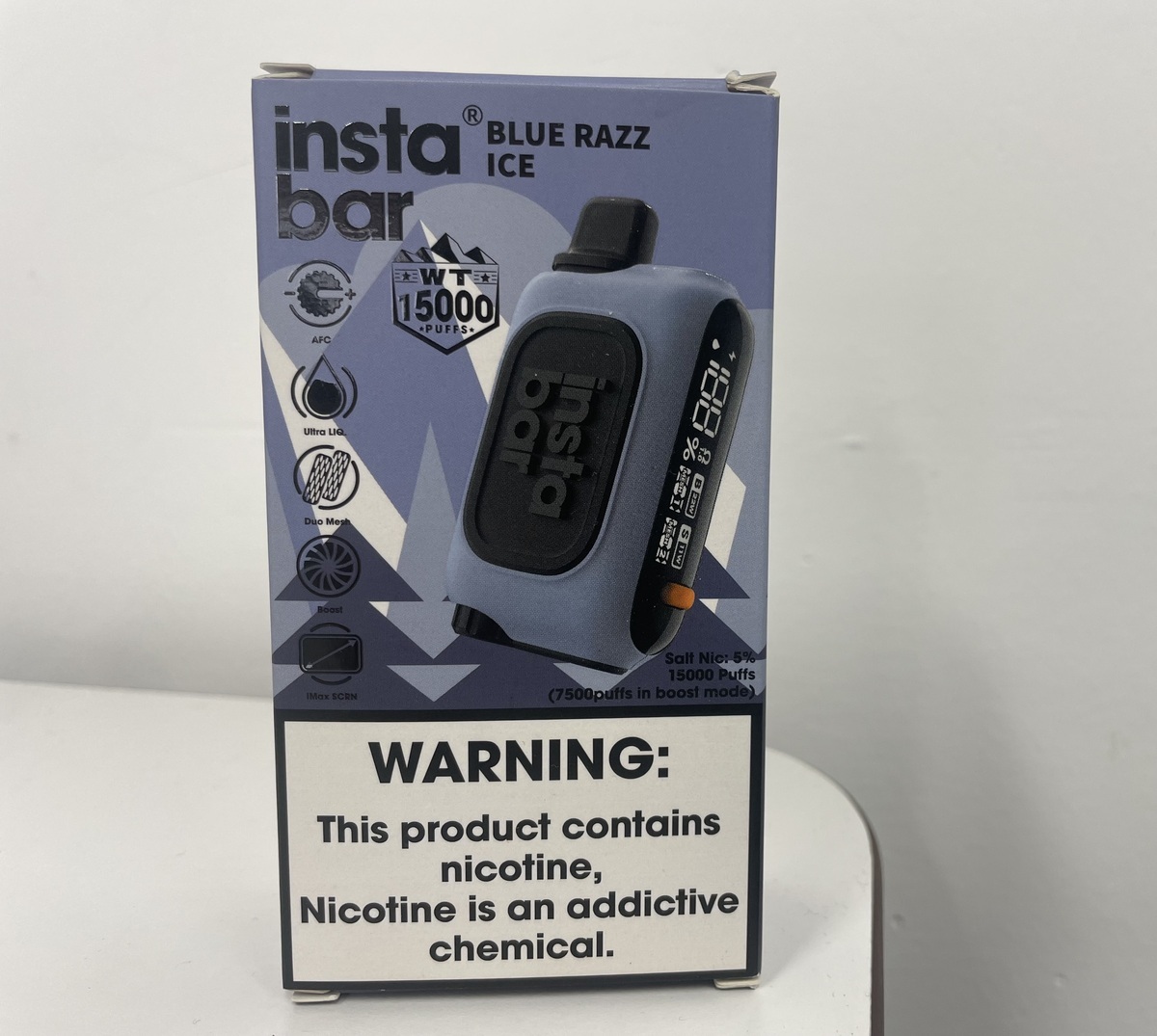
Upon comparing the packaging of cigarettes and e-cigarettes, it is easy to notice that the warning labels on nicotine pouches are similar to those on cigarette packs. Additionally, some e-cigarette packaging features large warning areas on both the front and back, with warnings stating: "This product contains nicotine. Nicotine is an addictive chemical.
Expert: Caution is needed for acute nicotine poisoning
Chen Zuxin, an expert in nicotine biology effects at the Advanced Institute of Shenzhen, stated that there is a lack of basic understanding on whether nicotine pouches, as a new type of nicotine product, are addictive and pose other health risks. Particularly concerning is the widespread and long-term use of nicotine pouches by a large population, and the potential health risks it may pose to users as their popularity continues to grow.

"Although low doses of nicotine may be safe, high doses of nicotine not only affect the central nervous system but also impact physiological indicators such as blood pressure, blood sugar, and heart rate."
Chen Zuxin stated that since nicotine is absorbed through the mouth, the concentration of nicotine in the body gradually accumulates. If individuals start feeling unwell while using such products, it is possible that they have already taken too much nicotine, and their body continues to absorb nicotine even after stopping the intake. The concentration of nicotine will not immediately decrease after discontinuing the intake.
"Therefore, this acute poisoning scenario needs to be monitored closely, especially among individuals using this type of product for the first time."
Chen Zuxin pointed out that different brands, forms of nicotine, doses of nicotine, fibers, and additives may all affect the release of nicotine. Therefore, relevant information should be clearly labeled on the packaging, and users should be explicitly warned about the risk of acute poisoning. It is evident that for such new types of nicotine products, more scientific experiments are needed for evaluation and research, in order to assist the relevant industries and regulatory authorities in establishing standards based on scientific evidence.
Regarding the warning labels on nicotine pouch packaging, Zhao Tong, co-founder and CEO of 2Firsts, believes that the main risks of traditional cigarettes and e-cigarettes come from long-term health hazards. Therefore, warning labels mainly focus on health hazards and smoking cessation reminders. Some countries also use uncomfortable images to achieve "consumer suppression.
However, nicotine pouches present new risks to consumers - usage risks. Excessive use poses a threat of acute poisoning, especially for new users, so the warning labels should also include consumption guidelines in this regard. The warning labels on packaging should not only alert to risks but should also clearly indicate the nicotine content of the product, target consumers, potential side effects, and risks. In this aspect, some inspiration should be taken from the labeling of medications.
Manufacturer: Warning labels on nicotine pouches are lacking, regulators should establish clear standards
In response to this matter, 2Firsts reached out to Shivam Bihani, the founder and CEO of the Indonesian nicotine pouch brand MYNT.
"I completely agree with your point that labels on nicotine pouches need to provide more accurate information to consumers before they use them."
Shivam Bihani believes that the current warning label stating "This product contains nicotine. Nicotine is an addictive chemical." is essential for consumers to be aware that the product contains nicotine, a highly addictive chemical substance. Additionally, labels should clearly indicate the nicotine content in each nicotine pouch.
Shivam Bihani pointed out that some brands indicate the nicotine content in each nicotine pouch at the top of the packaging using points, or use words like "mild," "strong," or "extra strong" to indicate the strength of each nicotine pouch.
Shivam Bihani believes that global regulatory agencies should strictly establish a policy requiring all brands to clearly label the correct nicotine content for each nicotine pouch on the top label of every can, presented numerically, such as 3/6/9/12/15/20, etc., regardless of the specific value. If the specific value is not clearly labeled, consumers may misinterpret the dots representing the strength of nicotine.
"But overall all the nicotine products or next generation products you see in the market, none of them have more detailed warning."
Shivam Bihani says that one thing is certain: there needs to be more consumer education about these products, such as their side effects and other related matters.
"One way for doing so is adding the same on products website as it labels would not have enough space to incorporate the same."

Additionally, 2Firsts also contacted Waqas Khan, CEO of the American nicotine brand CLEW.
When discussing the current warning labels on nicotine pouches being the same as those on e-cigarettes, without special warnings for first-time users or specific groups, he also agreed with this viewpoint (I agree with you).
We welcome news tips, article submissions, interview requests, or comments on this piece.
Please contact us at info@2firsts.com, or reach out to Alan Zhao, CEO of 2Firsts, on LinkedIn
Notice
1. This article is intended solely for professional research purposes related to industry, technology, and policy. Any references to brands or products are made purely for objective description and do not constitute any form of endorsement, recommendation, or promotion by 2Firsts.
2. The use of nicotine-containing products — including, but not limited to, cigarettes, e-cigarettes, nicotine pouchand heated tobacco products — carries significant health risks. Users are responsible for complying with all applicable laws and regulations in their respective jurisdictions.
3. This article is not intended to serve as the basis for any investment decisions or financial advice. 2Firsts assumes no direct or indirect liability for any inaccuracies or errors in the content.
4. Access to this article is strictly prohibited for individuals below the legal age in their jurisdiction.
Copyright
This article is either an original work created by 2Firsts or a reproduction from third-party sources with proper attribution. All copyrights and usage rights belong to 2Firsts or the original content provider. Unauthorized reproduction, distribution, or any other form of unauthorized use by any individual or organization is strictly prohibited. Violators will be held legally accountable.
For copyright-related inquiries, please contact: info@2firsts.com
AI Assistance Disclaimer
This article may have been enhanced using AI tools to improve translation and editorial efficiency. However, due to technical limitations, inaccuracies may occur. Readers are encouraged to refer to the cited sources for the most accurate information.
We welcome any corrections or feedback. Please contact us at: info@2firsts.com