Following the FDA's approval of NJOY's four mint-flavored e-cigarette products on June 21, the seven e-cigarette products from the VUSE brand under British American Tobacco (BAT) were also granted PMTA (Pre-Market Tobacco Product Application) on July 18.
This is a rapid increase in the number of e-cigarette products that have received FDA marketing authorization after the deadline for submitting pre-market tobacco product applications (PMTA) in 2020, growing from 23 products before June 2024 to 34 products, representing a 47.8% increase in just one month.
In recent months, the FDA has not only significantly increased the number of products approved through PMTA, but has also taken a series of other measures. At the same time, US Customs and state governments have been cracking down on illegal e-cigarettes. 2FIRSTS has analyzed these actions in order to gain a deeper understanding of the compliance trends in the American e-cigarette market.
FDA: Channels for Optimization to Accelerate Approval
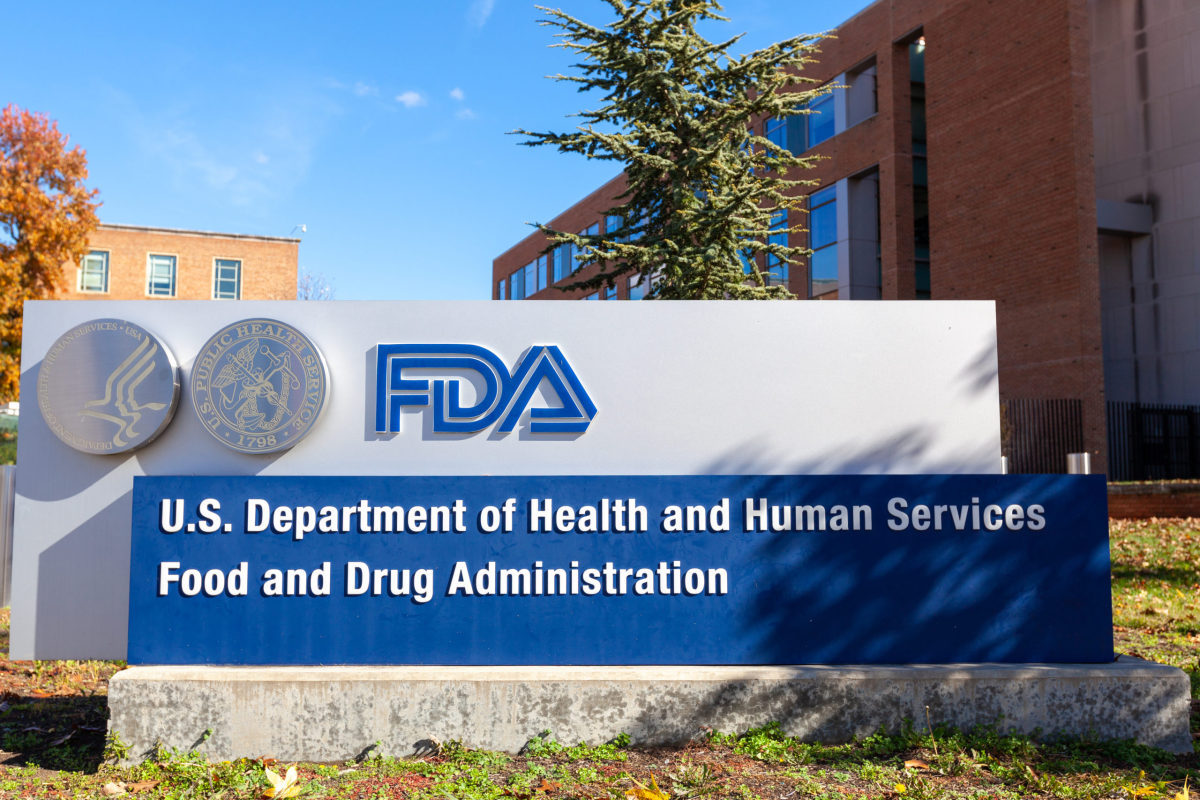
In late June, the FDA Center for Tobacco Products updated the compliance inspection results information on its official website. The newly launched "Tobacco Compliance Inspection Results Database" integrates all tobacco retail inspection results, aiming to provide a more convenient information access channel for the public, public health organizations, and the tobacco industry.
Shortly after, on July 15th, the FDA reissued the application documents related to the modification of risk tobacco product (MRTP) order extension for Swedish Match USA, Inc.'s General Snus product and announced the deadline for public comments.
Also on July 15, the Food and Drug Administration's Center for Tobacco Products (CTP) released two notices in the Federal Register stating their plans to launch a new generation CTP portal next year for submitting applications for certain new tobacco products.
In terms of product authorization, the FDA issued marketing authorization orders for four mint-flavored e-cigarette products from NJOY LLC and seven e-cigarette products from VUSE through premarket tobacco product applications (PMTA) on June 21st and July 19th, respectively.
As of now, the FDA has approved 34 e-cigarette products, all of which are tobacco or mint flavored.
Regulatory Agencies Crack down on Illegal Disposable Products
In addition to the FDA, other regulatory agencies in the US government, including Customs, are also increasing regulations on retail stores and the importation of e-cigarettes, cracking down on illegal sales and imports.
On July 16th, the Georgetown police in Massachusetts conducted a raid on a shop illegally selling THC e-cigarettes. Two suspects were arrested and hundreds of illegal e-cigarette products were seized, including popular brands like RAMA, RAZ, and JUUL.
The next day, the United States International Trade Commission (USITC) voted to investigate certain disposable electronic cigarette (e-cigarette) devices in a Section 337 investigation. This investigation was initiated by a subsidiary of Reynolds American Company on June 11, 2024, with additional information provided on June 12, 2024, and July 1, 2024. The investigation targets several Chinese e-cigarette companies.
Supplemental appeal accuses the United States of violating Section 337 of the 1930 Tariff Act by importing and selling certain disposable atomizer devices that infringe on a claimed patent. The appellant requests the U.S. International Trade Commission to issue a general exclusion order, a limited exclusion order, and a cease and desist order.
Shortly after, on the 18th of the same month, New York City Mayor Eric Adams announced that during the "Operation Lockdown" campaign, over 600 illegal e-cigarette shops in New York City were closed down, and illegal products worth approximately millions of dollars were seized.
In addition, industry insiders involved in e-cigarette logistics in the United States have told 2FIRSTS that in recent times, U.S. Customs and the FDA are jointly enforcing customs clearance at ports, where enforcement teams have been conducting rigorous inspections of imported e-cigarette products.
From NJOY to VUSE, the FDA's accelerated approval process is allowing more e-cigarette products to receive the green light, providing consumers with a greater variety of options. From the raid in Massachusetts to the large-scale crackdown in New York City, government and law enforcement agencies are also ramping up efforts to combat illegal e-cigarettes.
This series of changes highlights the accelerated development of the regulatory process in the American e-cigarette market.
2FIRSTS will continue to monitor and analyze the latest developments in the American e-cigarette market. Stay tuned for updates.
We welcome news tips, article submissions, interview requests, or comments on this piece.
Please contact us at info@2firsts.com, or reach out to Alan Zhao, CEO of 2Firsts, on LinkedIn
Notice
1. This article is intended solely for professional research purposes related to industry, technology, and policy. Any references to brands or products are made purely for objective description and do not constitute any form of endorsement, recommendation, or promotion by 2Firsts.
2. The use of nicotine-containing products — including, but not limited to, cigarettes, e-cigarettes, nicotine pouchand heated tobacco products — carries significant health risks. Users are responsible for complying with all applicable laws and regulations in their respective jurisdictions.
3. This article is not intended to serve as the basis for any investment decisions or financial advice. 2Firsts assumes no direct or indirect liability for any inaccuracies or errors in the content.
4. Access to this article is strictly prohibited for individuals below the legal age in their jurisdiction.
Copyright
This article is either an original work created by 2Firsts or a reproduction from third-party sources with proper attribution. All copyrights and usage rights belong to 2Firsts or the original content provider. Unauthorized reproduction, distribution, or any other form of unauthorized use by any individual or organization is strictly prohibited. Violators will be held legally accountable.
For copyright-related inquiries, please contact: info@2firsts.com
AI Assistance Disclaimer
This article may have been enhanced using AI tools to improve translation and editorial efficiency. However, due to technical limitations, inaccuracies may occur. Readers are encouraged to refer to the cited sources for the most accurate information.
We welcome any corrections or feedback. Please contact us at: info@2firsts.com