Warning: Dangerous Substance Detected in THC E-cigarette Users

Regulations by 2FIRSTS.ai
Apr.10.2024
Warning: Dangerous Substance Detected in THC E-cigarette Users
UK experts warn THC e-cigarette users may unknowingly inhale dangerous substance "zombie drug," sparking government action.

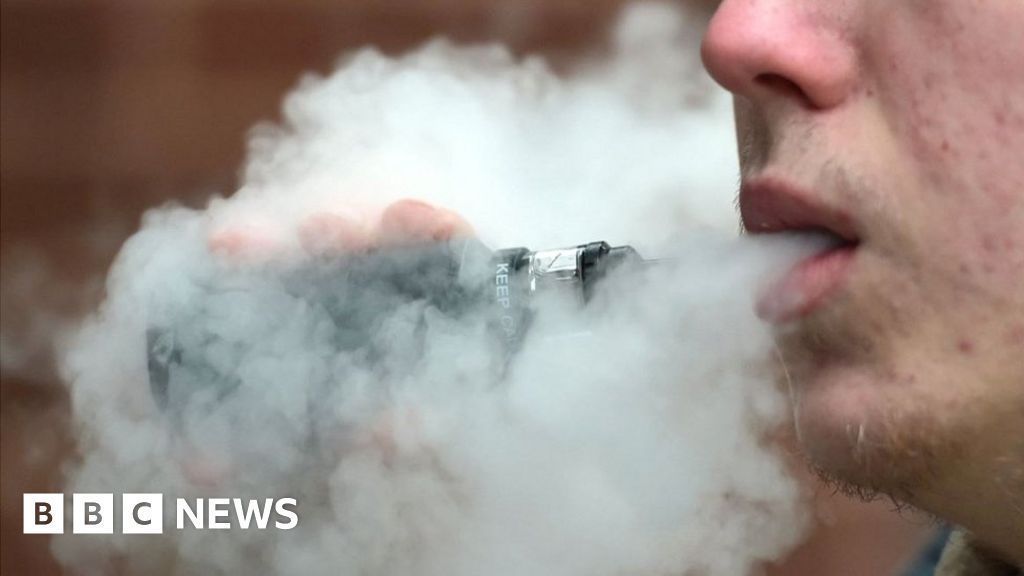
According to a report by BBC on April 10th, British experts have warned that individuals who use Tetrahydrocannabinol (THC) e-cigarettes may inhale a highly dangerous substance known as "zombie drug" (xylazine). The key concern is that this sedative is primarily used to induce sleep in large animals such as cows and horses, and can be deadly for humans.


So far, the black market "zombie drug" has most commonly been mixed with powerful opioids such as heroin or fentanyl.


Dr. Caroline Copeland of King's College London has reported that a new type of illegal "zombie drug" is entering the UK market. Their research has found that some pills being sold as codeine and diazepam, or Valium, also contain this "zombie drug.


The UK government has classified this drug as a Class C substance, alongside laughing gas, anabolic steroids, and benzodiazepines. This means that possession of this drug could result in a two-year prison sentence, while trafficking it could lead to a 14-year sentence.


According to reports, tetrahydrocannabinol (THC) is the main psychoactive ingredient in cannabis, and e-cigarettes containing THC are illegal in the UK. Cannabidiol (CBD) is another component of the cannabis plant, but it does not cause a high, and CBD oil (including e-cigarettes) is legally sold in the UK.


Experts say that people may not realize what they are actually buying; they may think they are purchasing an e-cigarette containing THC, but in reality, it may contain unexpectedly more substances.


A government spokesperson stated, "We are aware of the threat of 'zombie drugs' and are determined to protect the public from the dangers of this drug and other illicit synthetic drugs. In line with the recommendations of the Advisory Council on the Misuse of Drugs, we plan to classify 'zombie drugs' as Class C drugs."


We welcome news tips, article submissions, interview requests, or comments on this piece.

Please contact us at info@2firsts.com, or reach out to Alan Zhao, CEO of 2Firsts, on LinkedIn


Notice

1.  This article is intended solely for professional research purposes related to industry, technology, and policy. Any references to brands or products are made purely for objective description and do not constitute any form of endorsement, recommendation, or promotion by 2Firsts.

2.  The use of nicotine-containing products — including, but not limited to, cigarettes, e-cigarettes, nicotine pouchand heated tobacco products — carries significant health risks. Users are responsible for complying with all applicable laws and regulations in their respective jurisdictions.

3.  This article is not intended to serve as the basis for any investment decisions or financial advice. 2Firsts assumes no direct or indirect liability for any inaccuracies or errors in the content.

4.  Access to this article is strictly prohibited for individuals below the legal age in their jurisdiction.


Copyright


This article is either an original work created by 2Firsts or a reproduction from third-party sources with proper attribution. All copyrights and usage rights belong to 2Firsts or the original content provider. Unauthorized reproduction, distribution, or any other form of unauthorized use by any individual or organization is strictly prohibited. Violators will be held legally accountable.

For copyright-related inquiries, please contact: info@2firsts.com


AI Assistance Disclaimer


This article may have been enhanced using AI tools to improve translation and editorial efficiency. However, due to technical limitations, inaccuracies may occur. Readers are encouraged to refer to the cited sources for the most accurate information.

We welcome any corrections or feedback. Please contact us at: info@2firsts.com

Malaysia’s Vape Rules Face Review as Health Minister Dzulkefly Ahmad Addresses Dropped Nicotine Appeal
According to Free Malaysia Today on August 26, 2026, Malaysia’s Health Minister Dzulkefly Ahmad said the Health Ministry would explain the government’s decision to withdraw its appeal against a High Court ruling involving the exemption of liquid nicotine used in vape products from the Poisons List. The High Court previously ruled that the exemption decision was irrational. Dzulkefly said withdrawing the appeal did not mean the government would stop regulating vaping, and that future regulatory approaches would continue under existing legal frameworks.
Aug.28
Australia Tobacco Tax Debate Spreads Within Labor as NSW Premier Minns Reaffirms Support for a Cut
Australia’s tobacco excise debate is increasingly exposing differences within the governing Labor Party. New South Wales Labor Premier Chris Minns reaffirmed on September 8 that he supports reducing tobacco excise, arguing that current tax settings are pushing consumers toward cheaper black-market cigarettes. Federal Health Minister Mark Butler continues to oppose an excise cut, while Treasurer Jim Chalmers and Assistant Treasurer Daniel Mulino have recently stopped short of ruling out future changes. The divergence follows the opposition Coalition’s proposal to cut tobacco excise by 80%.
Sep.08
Science | International Experts Propose a New Smoking Cessation Pathway, Citing Higher Quit Rates With E-Cigarettes Than Nicotine Replacement Therapy
A new expert paper in JAMA urges U.S. clinicians to include nicotine e-cigarettes in smoking-cessation discussions, citing higher quit rates than nicotine replacement therapy. It also stresses that products must deliver enough nicotine to replace cigarettes, dual use should be brief, and complete switching is the goal. 2Firsts argues the recommendations matter beyond clinics: public-health professionals should reassess relative risk, regulators should preserve sufficient product appeal for adult smokers, and manufacturers should focus on helping users quit cigarettes more sustainably.
SCIENCE
Aug.03 by 2Firsts Perspectives
PMI Expands IQOS and VEEV Presence at Frankfurt Airport Through Travel Retail Pop-Ups
According to The Moodie Davitt Report, PMI Global Travel Retail and Frankfurt Airport Retail have launched new IQOS and VEEV retail spaces at Frankfurt Airport. The installations, located inside and outside duty-free areas, showcase IQOS heated tobacco products and VEEV e-vapor products through product education, consumer interaction and brand experiences. Frankfurt Airport Retail, operated by Fraport Group and Gebr. Heinemann, manages key retail activities at Frankfurt Airport. The initiative follows PMI’s broader strategy of expanding smoke-free products through global travel retail channels. PMI has previously introduced VEEV products across multiple European airports while continuing to expand IQOS and VEEV availability in international markets.
Jul.17
Russia Adds Vapes to “Strategic Goods” List, Illegal Cross-Border Trade Faces Up to Five Years in Prison
Russia will place e-cigarettes and related nicotine products under its “strategic goods” framework from August 20, 2026. According to TVP World’s report published on August 19, the newly listed items include e-cigarettes, electronic smoking devices, vape liquids and nicotine salts. Individuals who illegally move these products across Russia’s customs border or its state border with other Eurasian Economic Union (EAEU) members could face up to five years in prison if shipment values exceed 100,000 rubles (about €1,000), provided all elements of a criminal offence are established.
Aug.20
Kantar Study Finds More Than 93% of Vape Products in Ukraine Fail Regulatory Requirements
According to Interfax-Ukraine, a study conducted by market research firm Kantar Ukraine at the request of major tobacco companies found that more than 93% of vape products in Ukraine did not fully comply with regulatory requirements. The research examined product categories, brand distribution and consumer purchasing channels, showing that pod systems and disposable vapes represent major segments of the market, while offline retail remains the dominant purchasing channel. The findings highlight ongoing compliance challenges in Ukraine’s vape market.
Aug.26