Warning Issued on the Dangers of Vaping in Iowa

Dec.06.2022
Warning Issued on the Dangers of Vaping in Iowa
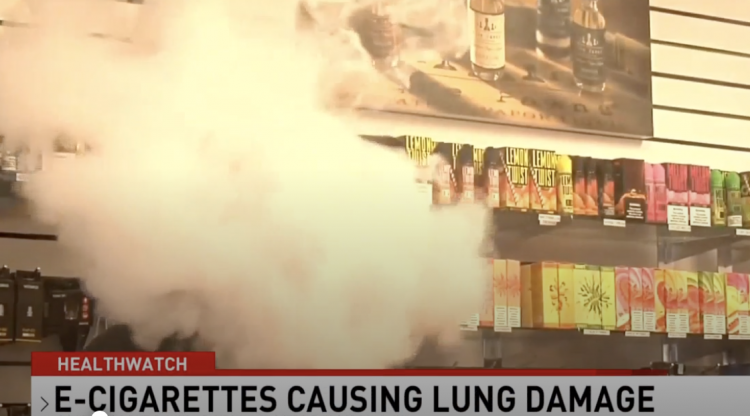
Local health experts in Cedar Falls, Iowa issue warning about the dangers of e-cigarettes and vaping.

Local health experts in Sioux City, Iowa are warning about the potential dangers of electronic cigarettes and vaping.


Electronic cigarettes containing nicotine and the cartridges in them are easily addictive, despite many people believing they are less harmful than traditional cigarettes. Doctors warn that electronic cigarettes are not subject to any safety regulations from health agencies, which does not mean they do not pose a significant threat to overall health.


Vaping was initially thought to be a safe substitute for smoking, but we gradually discovered that it is not," said Dr. David Ensz.


Doctors say that the likelihood of developing respiratory illnesses such as pneumonia is higher in people who use electronic cigarettes. Similar to regular cigarettes, electronic cigarettes still contain toxic substances.


Dr. Ensz says that electronic pod devices contain toxic chemicals, including one substance they are currently researching, which is Vitamin E. When heated and inhaled into the lungs, it can cause inflammation and harm.


If you are struggling to quit smoking, please reach out to your doctor who can help you create a personalized plan that you can stick to.


2FIRSTS will continue to provide ongoing coverage of this topic, with further updates available on the '2FIRSTSAPP'. Scan the QR code below to download the app.


Disclaimer

This article is provided solely for professional research, industry discussion, and informational purposes. Any references to brands, companies, products, technologies, or policies are made for factual reporting and analytical purposes only, and do not constitute endorsement, recommendation, promotion, or advertising by 2Firsts.

Nicotine-containing products, including but not limited to cigarettes, e-cigarettes, heated tobacco products, and nicotine pouches, carry significant health risks. Readers are responsible for complying with all applicable laws and regulations in their respective jurisdictions, including age restrictions and access limitations.

The information contained in this article should not be regarded as investment, legal, medical, regulatory, or commercial advice. While 2Firsts strives to ensure the accuracy and reliability of its content, it does not assume liability for any direct or indirect loss arising from errors, omissions, inaccuracies, or reliance on the information contained herein.

This article is not intended for individuals below the legal age for accessing tobacco or nicotine-related information in their jurisdiction.


Copyright Notice

This article is either original content produced by 2Firsts or content reproduced, translated, summarized, or adapted from third-party sources with attribution where applicable. The intellectual property rights of the original content remain with 2Firsts or the respective original rights holders.

No individual or organization may copy, reproduce, distribute, republish, modify, translate, or otherwise use this content without prior authorization. Any unauthorized use may result in legal action.

For copyright-related inquiries, corrections, or removal requests, please contact: info@2firsts.com.


AI-Assisted Translation and Editing Notice

Portions of this article may have been translated, edited, or reviewed with the assistance of artificial intelligence tools to improve efficiency and readability. Due to the limitations of AI-assisted translation and editing, discrepancies, omissions, or inaccuracies may exist when compared with the original source.

Where applicable, readers are advised to refer to the original source for the most complete and accurate information. If you identify any errors or believe that any content infringes upon your rights, please contact us at info@2firsts.com, and we will review and address the matter promptly.

China’s Jiangsu Tobacco Monopoly Bureau and Drug Regulator Target Illegal Vape Sales Disguised as Medical Devices, Define Six Violations
China’s Jiangsu Tobacco Monopoly Bureau and Jiangsu Provincial Medical Products Administration have issued a joint notice targeting illegal production and sales of vape products disguised as medical devices. The notice identifies six categories of violations, including obtaining medical licenses through false materials, misusing medical device credentials, expanding production beyond approved scopes, and using medical device-related online platforms to promote or sell vape products. The action is based on China’s tobacco and medical device regulations and aims to strengthen vape oversight and consumer protection.
Aug.04
UK Councils Seize More Than 1.3 Million Non-Compliant Vapes One Year After Disposable Ban
One year after the UK disposable vape ban came into force, local authorities continue to seize illegal and non-compliant vaping products. FOI data compiled by nicotine retailer Northerner shows more than 1.3 million products were seized between June 2025 and May 2026, with Bolton recording the highest number of seizures and Swansea reporting the highest estimated value.
Jul.21
BAT Regional Director Fred Monteiro Supports Spain’s Nicotine Rules but Opposes 0.99mg Nicotine Pouch Limit
Spanish newspaper El Confidencial interviewed Fred Monteiro, Regional Director for Americas and Europe at British American Tobacco (BAT). Monteiro said BAT supports setting regulatory limits for nicotine products but opposes Spain’s proposed 0.99mg nicotine-per-pouch limit, arguing that such a restriction could affect adult smokers’ transition to alternatives. He said nicotine regulation should be based on scientific evidence and harm reduction principles. Monteiro also said smoke-free products now account for around 25% of BAT’s Americas and Europe business and nearly 30% of its Europe business
BAT
Jul.30
Philippines Customs Seizes PHP11.68 Billion($200 Million) in Illegal Tobacco and Vapes in First Seven Months of 2026
Philippines Customs data showed that illegal cigarettes and vape products seized during the first seven months of 2026 were valued at about PHP11.68 billion, exceeding the PHP2.516 billion recorded for the full year of 2025. The figures were disclosed by a Bureau of Customs official during a House Committee on Ways and Means hearing on tobacco excise tax reforms. Vape-related seizures were valued at about PHP1.65 billion, with most cases recorded at the Manila International Container Port. Customs officials said enforcement against illicit tobacco trade would continue.
Aug.26
Product | Republic Technologies Launches ZIG Nicotine Pouches, Expanding Beyond Traditional Tobacco Accessories
Republic Technologies UK has entered the nicotine pouch market with ZIG Nicotine Pouches, marking the company’s expansion beyond traditional tobacco-related accessories into smoke-free nicotine products. The product is expected to enter UK retail channels from August 2026, including convenience stores, supermarkets and tobacco retailers. The launch includes six flavors and three nicotine strengths: 8mg, 12mg and 17mg.
Market
Jul.21 by 2Firsts Perspectives
Japan’s Heated Tobacco Tax Changes Reshape Consumer Choices, Survey Reveals Impact of Price and Income
A consumer survey by Japanese heated tobacco information platform RELAZO found that rising tobacco prices and planned heated tobacco tax changes may influence smoking decisions among Japanese consumers. The survey covered 49,879 men and women aged 20 to 69 nationwide. It found that around 40% of respondents cumulatively indicated they may consider quitting when a pack reaches ¥600 (approximately US$4.1), while nearly 90% expressed potential quitting intentions at a ¥1,000 (approximately US$6.8) price level. The survey also found significant differences by income level, with lower-income respondents showing greater sensitivity to price increases.
Jul.24