According to a recent report by Bloomberg, the nicotine pouch brand Zyn owned by Philip Morris International (PMI) is facing a double pressure of supply shortages and subpoenas, leading to the suspension of its online sales in the United States. In response, a large number of competitors have entered the market, vying to capture market share.
California wholesaler Apex Distribution's sales manager, Song Jo, expressed at last month's trade show in Houston, the Alternative Products Expo,
Due to Zyn's current decrease in sales and ongoing manufacturing issues, we hope to seize the opportunity and capitalize on this momentum.
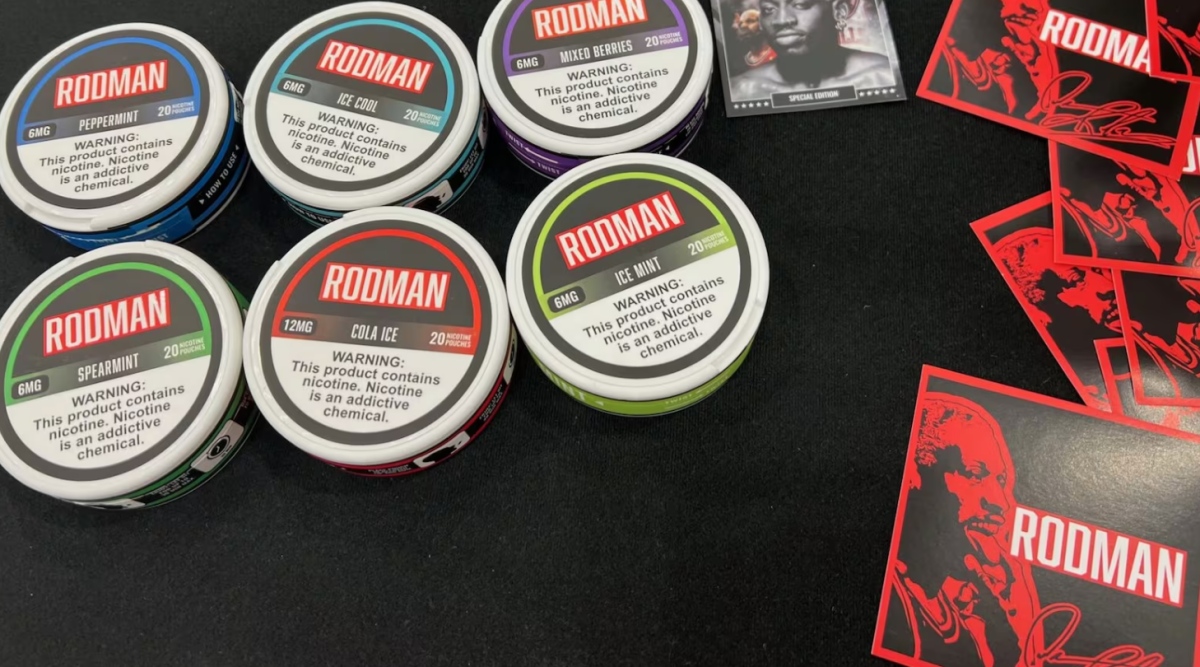
He unveiled a nicotine pouch brand named after former professional basketball player Dennis Rodman at the exhibition.
According to market research firm Euromonitor International, the nicotine pouch market in the United States reached $6 billion last year, and is expected to reach $18 billion by 2027. The company reported that sales of Zyn increased by 80% in the first quarter.
However, after receiving a subpoena from the Colombian district, PMI decided to suspend online sales nationwide, exacerbating supply shortages.
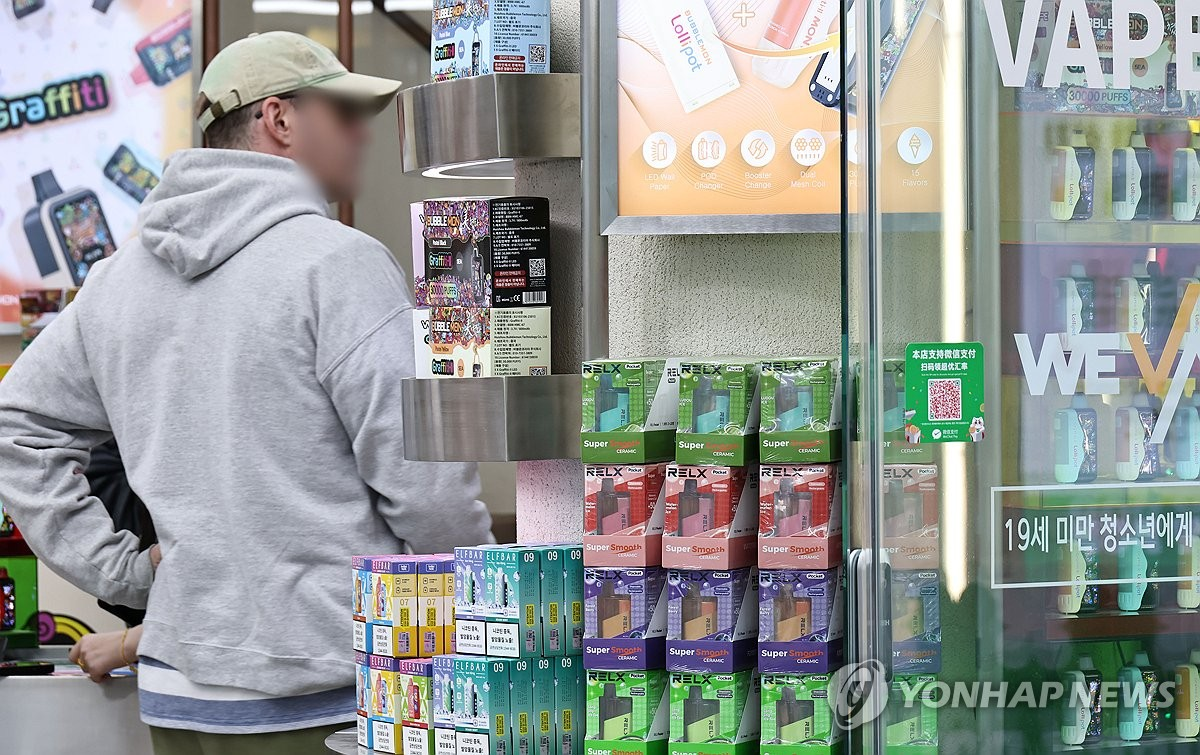
This has opened up the market for many new nicotine pouch brands, with many of these brands coming from China, filling a market gap. These manufacturers mostly adopt strategies that have been successful in gaining market share in the e-cigarette market.
A large tobacco company is combating the influx of flavored disposable e-cigarettes manufactured in China and is beginning to take notice of competitors in the nicotine pouch market.
Altria Group Inc. Executive Director Steven Callahan stated
You will notice the increase in illegal e-cigarette devices, as well as the growth of nicotine pouches.
A spokesperson for PMI declined to comment on the competition involving Zyn or whether Zyn is protected by patents.
Chris Howard, Executive Vice President of Swisher International, stated that the slow authorization of products by the FDA has led to a significant increase in illegal e-cigarette sales, and he hopes that nicotine pouches will not encounter the same situation.
William Chaw, project manager of Granch Biopack, a Chinese tobacco materials manufacturer, stated that his company manufactures nicotine pouches for the "L Vape" brand and plans to soon launch brands such as "Zombie Nic" and "Pure Zyn" in the United States.
We welcome news tips, article submissions, interview requests, or comments on this piece.
Please contact us at info@2firsts.com, or reach out to Alan Zhao, CEO of 2Firsts, on LinkedIn
Notice
1. This article is intended solely for professional research purposes related to industry, technology, and policy. Any references to brands or products are made purely for objective description and do not constitute any form of endorsement, recommendation, or promotion by 2Firsts.
2. The use of nicotine-containing products — including, but not limited to, cigarettes, e-cigarettes, nicotine pouchand heated tobacco products — carries significant health risks. Users are responsible for complying with all applicable laws and regulations in their respective jurisdictions.
3. This article is not intended to serve as the basis for any investment decisions or financial advice. 2Firsts assumes no direct or indirect liability for any inaccuracies or errors in the content.
4. Access to this article is strictly prohibited for individuals below the legal age in their jurisdiction.
Copyright
This article is either an original work created by 2Firsts or a reproduction from third-party sources with proper attribution. All copyrights and usage rights belong to 2Firsts or the original content provider. Unauthorized reproduction, distribution, or any other form of unauthorized use by any individual or organization is strictly prohibited. Violators will be held legally accountable.
For copyright-related inquiries, please contact: info@2firsts.com
AI Assistance Disclaimer
This article may have been enhanced using AI tools to improve translation and editorial efficiency. However, due to technical limitations, inaccuracies may occur. Readers are encouraged to refer to the cited sources for the most accurate information.
We welcome any corrections or feedback. Please contact us at: info@2firsts.com