[2Firsts] On August 19, 2025, the U.S. Food and Drug Administration (FDA) issued a Marketing Denial Order (MDO) for blu® Disposable Classic Tobacco 2.4%, rejecting the PMTA filed by Fontem US. The FDA cited insufficient evidence that the product would lead adult smokers to fully switch or significantly reduce their cigarette consumption.
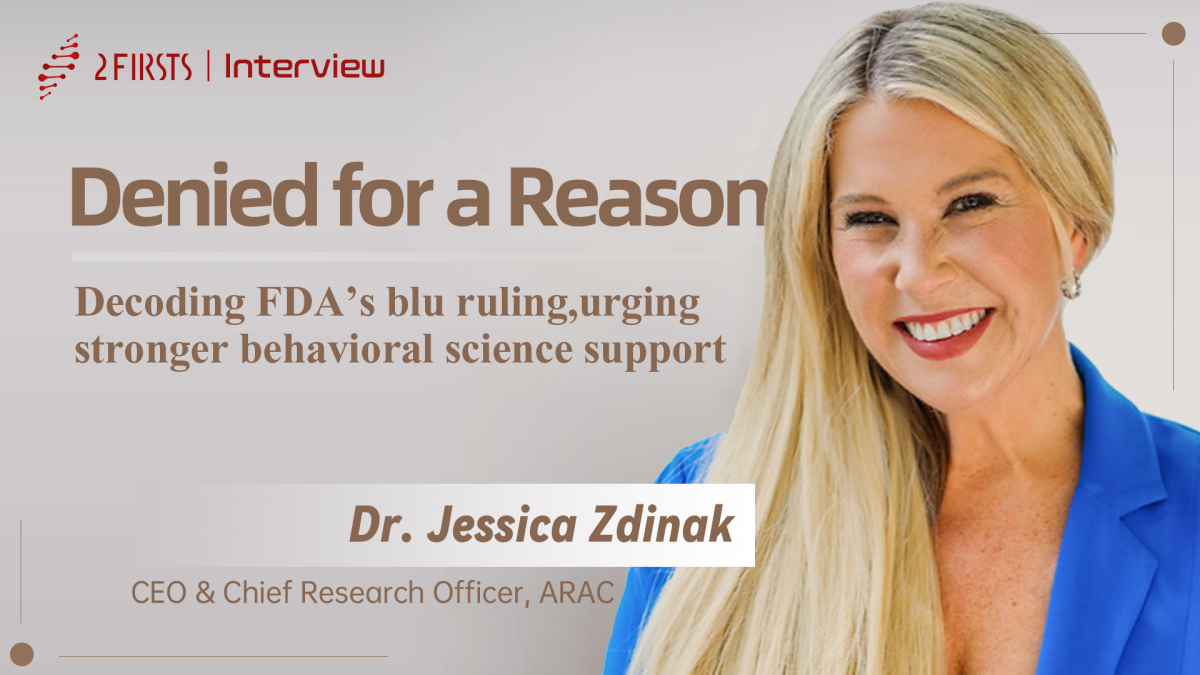
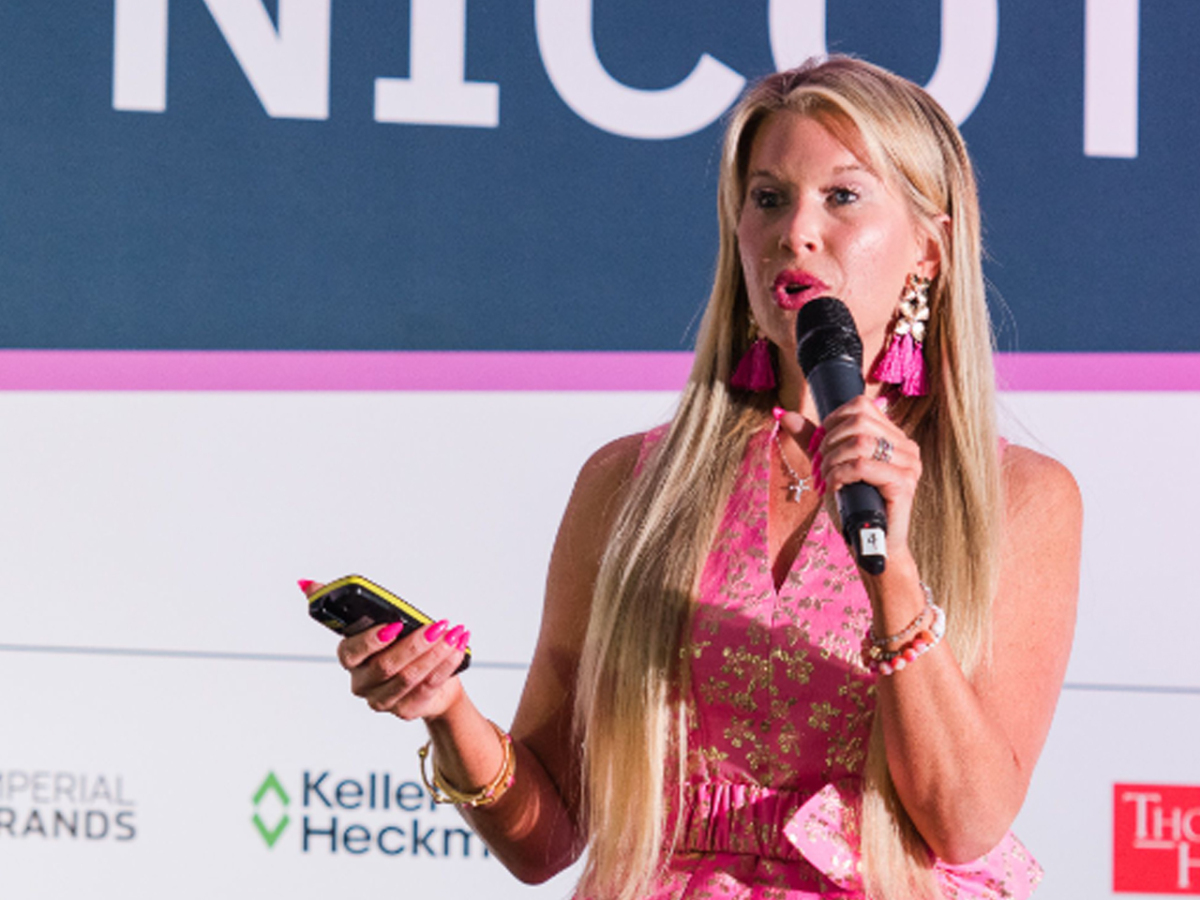
In response to this regulatory development, 2Firsts reached out to Dr. Jessica Zdinak, Chief Scientist and Founder of the Applied Research and Analysis Corporation (ARAC), to get an expert perspective on the decision. Dr. Zdinak is one of the leading authorities on behavioral science in PMTA submissions, particularly Module 6, which addresses real-world consumer use data.
Key Takeaways from ARAC:
● The denial was not surprising: ARAC believes the lack of long-term behavioral data—especially around switching and dual use—was the core issue, even for a tobacco-flavored product.
● The industry may have misjudged the regulatory expectation: Some assumed that tobacco-flavored ENDS products had a smoother path to authorization.
● Public health benefit remains central: CTP’s decisions continue to hinge on whether robust behavioral data supports a net population-level health benefit.
● ARAC urges companies to act immediately: Don’t wait for FDA requests—update and strengthen your Module 6 strategy now.
Full Interview (Q&A)
Q1: How do you view the FDA’s decision in this case?
Dr. Zdinak:
“It doesn’t come as a surprise to us that a candidate product is denied marketing authorization due to the lack of robust behavioral science data, demonstrating cessation and/or significant CPD reduction. It also doesn’t surprise us that even a tobacco-tasting e-cigarette/ENDS product can be denied under this requirement.
While many in the industry have not only disagreed with our strong stance on what is required in Module 6 to support an authorization, many also still disagree with this requirement as part of the PMTA review and authorization process.
Regardless of whether industry sponsors and manufacturers believe this scientific requirement is ‘too much’ or that FDA is overreaching and out of scope, it is our role to recommend and provide research services that support what we know CTP is looking for to obtain marketing authorization. Whether individuals agree with this decision or not is a different topic for discussion, but several things that have been clear to us since ARAC’s inception are becoming abundantly clear with CTP’s recent granting and denial orders:
1. CTP is not supportive of sweeping tobacco category authorizations – ‘…not all e-cigarettes are equal,’ which companies should be considering for not only ENDS products but also other innovative nicotine products,
2. The ‘net benefit to public health’ is one of the top key drivers to denial or authorization – this is obtained in Module 6 studies. We know the Risk:Benefit ratio should be considered in every behavioral-based study. As stated clearly in the PMTA Guidance this includes not only risk to youth, but also initiation among non-users of nicotine and tobacco, and dual use of combustible cigarettes and a candidate product,
3. Long-term switching data is needed to demonstrate smoking cessation for periods longer than what is likely to result in relapse behaviors, and long-term dual use is viewed as more of a risk than benefit – ‘…long periods of using both e-cigarettes and cigarettes…can result in harms to health similar to, or in addition to, the harms of exclusive use of cigarettes.’
4. We know from consumers that reducing CPD and replacing those cigarettes with ENDS products results in immediate improved quality of life outcomes, but we also know that ENDS products have not been studied long enough to fully understand the potential long-term (e.g., 10, 20, 40 years) health risks. CTP seems to be considering both factors in their evaluation of whether a product is APPH.
5. Because CTP is mandated to authorize or deny candidate products based on whether they meet the APPH standard, which within its name is ‘public health,’ the only way to demonstrate the effect of a candidate product on public health is focusing on population-level risks and benefits. Whether it’s ‘fair’ or not is not a part of our business model, but designing and delivering studies that give industry sponsors the data CTP is looking for, is.
Based on our understanding, CTP denied this tobacco-tasting product, not because of the risk to youth, but the risk on other key populations in the U.S. (’…given evidence that adults who smoke generally do not stop or significantly curtail consumption of cigarettes when using this product’), and because ‘sufficient evidence of a benefit that outweighs the risk…’ was not provided.
We continue to advocate for and rely on our stance that: 1) Reliable and robust data is needed – this means the right design, sample size, methods, variables, and analysis, and 2) Consideration of all aspects of a product’s risk and benefit are needed at a population-based level.”
Q2: Does this signal a change in FDA’s expectations around behavioral data or switching evidence?
Dr. Zdinak:
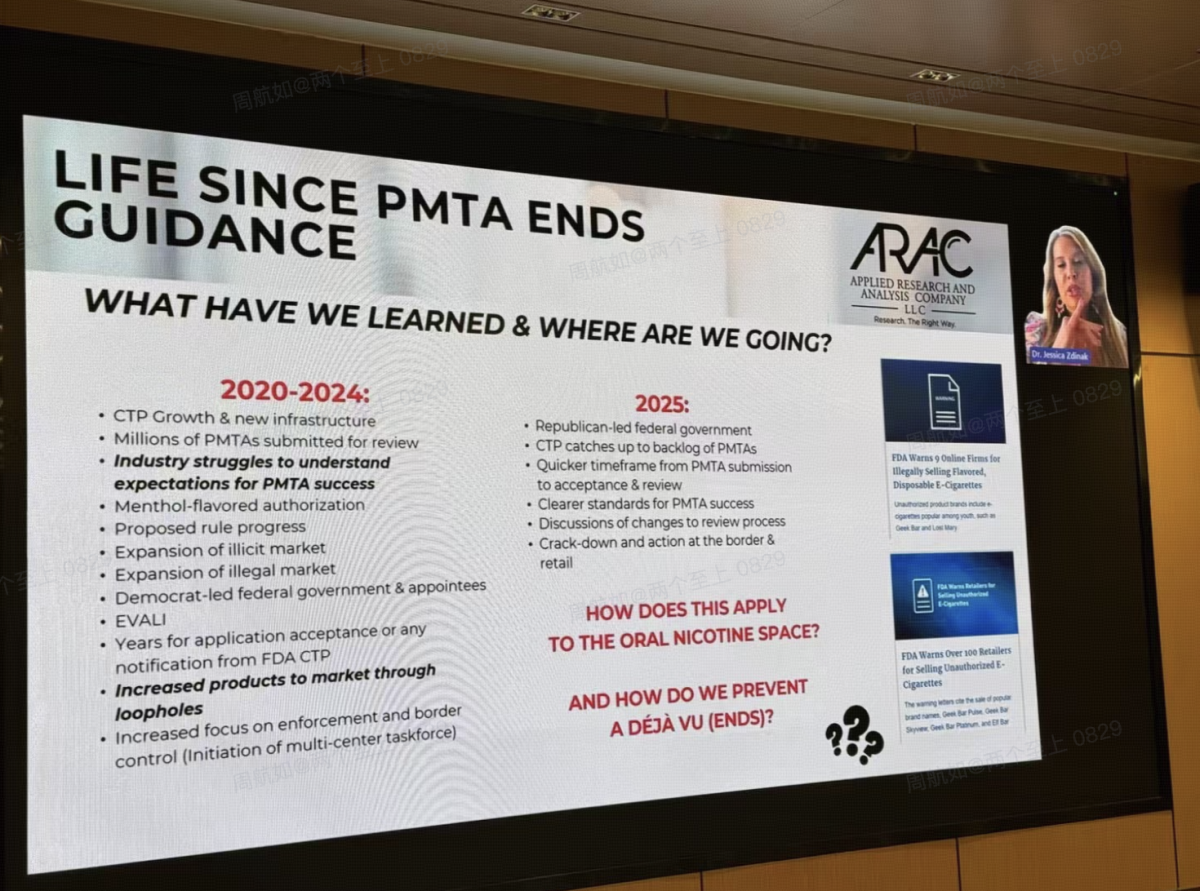
“No, we do not. Unfortunately, we are not surprised by this decision. I think the industry has been so focused on flavors and demonstrating the superiority of flavors (rightfully so), above and beyond tobacco-tasting products, that there was a perception tobacco-tasting products would more easily receive an authorization. But the need for demonstrating APPH is still at the foundation of CTP’s decisions.”
Q3: What are the most common challenges companies face in demonstrating switching or addressing dual use in PMTAs?
Dr. Zdinak:
“We see two big challenges companies face in this area:
1. Finding the right research partners to listen to, trust, and partner with for designing and executing these studies, and
2. Balancing tight budgets and higher management support (or lack of support) with what is needed for the greatest chances of successful authorization.
There are many research companies out there with deep pockets, long-term success in marketing research, and well-known names, but many of these companies don’t have the industry experience combined with scientific expertise to fully understand all of the intricacies of this industry – the products, regulator, and even the PMTA Guidance.
We frequently get asked to ‘correct’ others’ studies, and I think the companies are challenged with not knowing who to believe and trust.
I think the best advice would be to ask these companies what their track record of MGO success is.”
Q4: What advice would you give companies preparing or revising their PMTAs in light of the blu denial?
Dr. Zdinak:
“Engage NOW. There is no longer the ‘sit and wait’ mentality of CTP, so time is of the essence. Don’t miss the window of opportunity to amend your application. And don’t expect your application to sit idle for years before entering scientific review, during which time amendments can be submitted.
Robust, properly designed and analyzed behavioral-based data is needed, so strategize with your module 6 partners on how and when to conduct this research for your best chances of success.
Reach out to ARAC anytime to begin these discussions and let us guide you in the behavioral science space, and develop a lasting true partnership.”
2Firsts Will Continue Tracking This Story
blu’s rejection marks another turning point in the FDA’s evolving approach to PMTA reviews. 2Firsts will continue to follow up with expert opinions, regulatory updates, and strategic insights for the industry. Stay tuned.
About ARAC:
Applied Research and Analysis Company LLC (ARAC) is a U.S.-based behavioral science research institution specializing in providing tailored scientific support for the tobacco and nicotine products industry. The company excels in designing and conducting consumer research, regulatory science studies, and product development research to help clients meet market authorization requirements. ARAC is backed by a team of psychologists, behavioral scientists, and statisticians, committed to delivering high-quality research services that empower businesses to succeed in a highly competitive market.
This information is provided by ARAC.