Editor's Note: On July 27th, 2FIRSTS contacted the U.S. Food and Drug Administration (FDA) regarding the popular screened e-cigarettes in the American market. Jim McKinney, FDA's Press Officer, responded to 2FIRSTS via email on this issue.
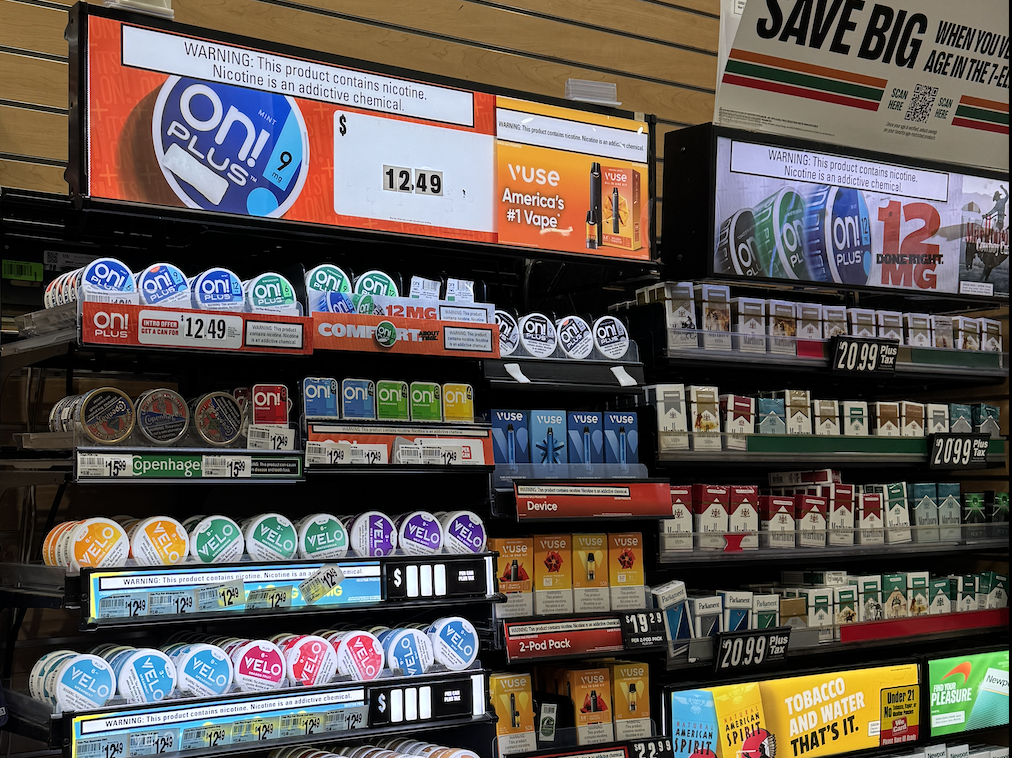
Since the second half of 2023, screened e-cigarettes have been gradually gaining popularity in the US market. Now, on e-cigarette distributor websites in the US, a wide variety of screened e-cigarette products and their advertisements are displayed. As an innovative development in the e-cigarette industry, what is the US FDA's stance on screened e-cigarettes? On July 27th, Jim McKinney, the FDA's Press Officer, discussed the regulatory issues surrounding screened e-cigarettes.
In a contact, Jim told 2FIRSTS that so far, the FDA has authorized 34 e-cigarette products and devices, however, none of these products have screens. At the same time, the FDA remains vigilant in overseeing the market and continues to prioritize the use of enforcement resources to curb illegal marketing of tobacco products throughout the supply chain. Unauthorized tobacco products will face enforcement action, including products with screens.
The following is a transcript of the contact:
1. Has FDA noticed the trend of popularizing disposable e-cigarettes with large screens in the US market?
To date, the FDA has authorized 34 e-cigarette products and devices – none of which have screens. These are the only e-cigarette products that currently may be lawfully marketed and sold in the United States. Firms manufacturing, importing, selling or distributing e-cigarettes without the required premarket authorization risk compliance and enforcement actions, which can include warning letters, civil money penalties, no-tobacco-sale orders, seizures, injunctions and even criminal prosecution.
The FDA uses a variety of surveillance tools to monitor the evolving tobacco product landscape and to identify emerging threats to public health. As always, we are committed to holding those accountable who manufacture, import, distribute or sell unauthorized tobacco products, including products labeled, advertised and/or designed to encourage youth use. This includes unauthorized e-cigarette products with screens.
2. In FDA's view, what are the potential impacts of such large-screen e-cigarettes on the market and the environment?
Regarding environmental impacts, e-cigarettes contain lithium batteries, which can become damaged and cause fires. Additionally, e-cigarettes typically contain nicotine, which is toxic and poses a risk to the environment. Accordingly, the United States Environmental Protection Agency’s webpage, How to Safely Dispose of E-Cigarettes: Information for Individuals, includes important information and a printable fact sheet about proper and safe disposal of e-cigarettes. Most importantly, e-cigarettes should be taken to a household hazardous waste collection site and not disposed in household trash or recycling.
3. Do disposable e-cigarettes with large screens pose new challenges or demands on existing regulatory policies? How will FDA respond to these challenges and ensure public health and safety?
The FDA is vigilant in overseeing the market and continuing to prioritize the use of enforcement resources to curb the unlawful marketing of tobacco products across the entire supply chain. Unauthorized tobacco products are subject to enforcement – which includes products with screens. Attempting to import such unauthorized products, including those that may be misdeclared or misrepresented as other types of products, subjects them to refusal or destruction. The FDA and other federal agencies work together to bring all available criminal and civil tools to bear against the illegal distribution and sale of e-cigarettes responsible for nicotine addiction among American youth.
We welcome news tips, article submissions, interview requests, or comments on this piece.
Please contact us at info@2firsts.com, or reach out to Alan Zhao, CEO of 2Firsts, on LinkedIn
Notice
1. This article is intended solely for professional research purposes related to industry, technology, and policy. Any references to brands or products are made purely for objective description and do not constitute any form of endorsement, recommendation, or promotion by 2Firsts.
2. The use of nicotine-containing products — including, but not limited to, cigarettes, e-cigarettes, nicotine pouchand heated tobacco products — carries significant health risks. Users are responsible for complying with all applicable laws and regulations in their respective jurisdictions.
3. This article is not intended to serve as the basis for any investment decisions or financial advice. 2Firsts assumes no direct or indirect liability for any inaccuracies or errors in the content.
4. Access to this article is strictly prohibited for individuals below the legal age in their jurisdiction.
Copyright
This article is either an original work created by 2Firsts or a reproduction from third-party sources with proper attribution. All copyrights and usage rights belong to 2Firsts or the original content provider. Unauthorized reproduction, distribution, or any other form of unauthorized use by any individual or organization is strictly prohibited. Violators will be held legally accountable.
For copyright-related inquiries, please contact: info@2firsts.com
AI Assistance Disclaimer
This article may have been enhanced using AI tools to improve translation and editorial efficiency. However, due to technical limitations, inaccuracies may occur. Readers are encouraged to refer to the cited sources for the most accurate information.
We welcome any corrections or feedback. Please contact us at: info@2firsts.com