Arrested Teen Selling Illegal E-cigarettes on Social Media

Oct.20.2023
Arrested Teen Selling Illegal E-cigarettes on Social Media
A 19-year-old Brazilian youth was arrested for illegally selling e-cigarettes through social media in Taubaté.

In recent news, according to the report by the Sao Jose dos Campos Television Station in Brazil, a 19-year-old individual was arrested by the local Federal Police for illegally selling e-cigarettes through social media in the Taubate region.


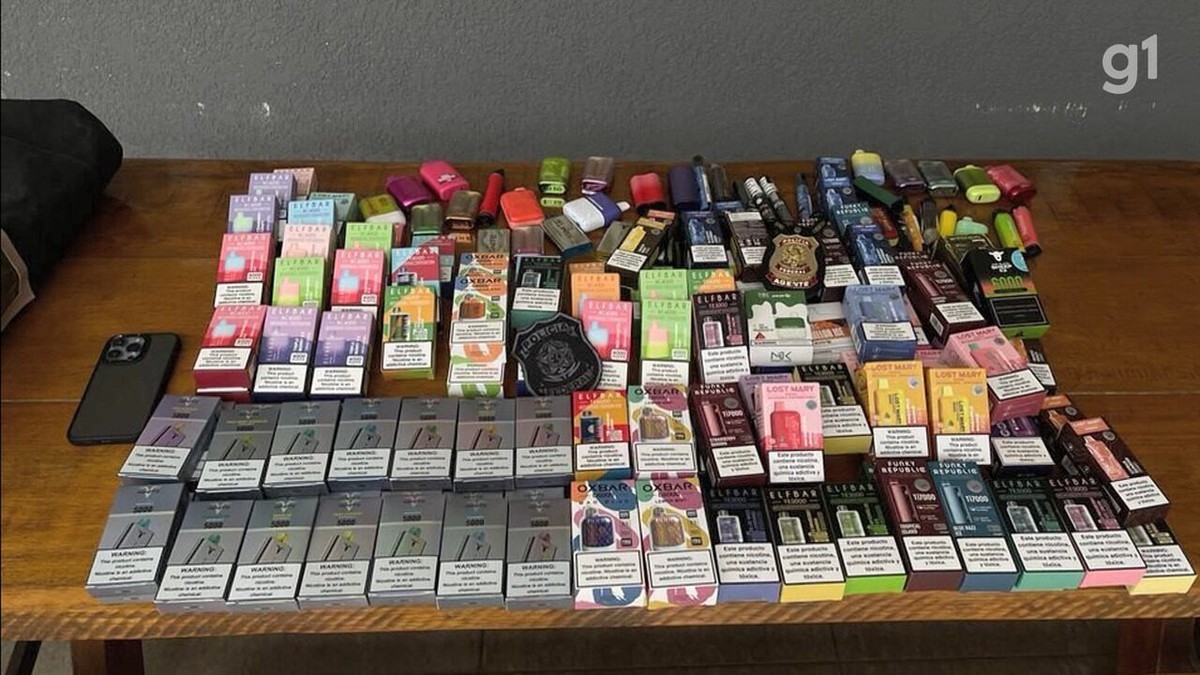
A recent investigation by PF has revealed that he has been promoting e-cigarettes on social media and arranging sales through messaging apps, followed by delivering the products to targeted locations. The police recently conducted a search and seizure operation in the Villa San Gerardo community where the suspect resides, as authorized by the city's First Federal Court.


At the scene, the company discovered multiple e-cigarette devices, e-liquids, and device chargers, which were subsequently seized. Selling this product in Brazil is deemed a criminal offense according to a resolution by Anvisa in 2009. Consequently, the young man has been arrested for smuggling and could potentially face a maximum sentence of five years imprisonment.


We welcome news tips, article submissions, interview requests, or comments on this piece.

Please contact us at info@2firsts.com, or reach out to Alan Zhao, CEO of 2Firsts, on LinkedIn


Notice

1.  This article is intended solely for professional research purposes related to industry, technology, and policy. Any references to brands or products are made purely for objective description and do not constitute any form of endorsement, recommendation, or promotion by 2Firsts.

2.  The use of nicotine-containing products — including, but not limited to, cigarettes, e-cigarettes, nicotine pouchand heated tobacco products — carries significant health risks. Users are responsible for complying with all applicable laws and regulations in their respective jurisdictions.

3.  This article is not intended to serve as the basis for any investment decisions or financial advice. 2Firsts assumes no direct or indirect liability for any inaccuracies or errors in the content.

4.  Access to this article is strictly prohibited for individuals below the legal age in their jurisdiction.


Copyright


This article is either an original work created by 2Firsts or a reproduction from third-party sources with proper attribution. All copyrights and usage rights belong to 2Firsts or the original content provider. Unauthorized reproduction, distribution, or any other form of unauthorized use by any individual or organization is strictly prohibited. Violators will be held legally accountable.

For copyright-related inquiries, please contact: info@2firsts.com


AI Assistance Disclaimer


This article may have been enhanced using AI tools to improve translation and editorial efficiency. However, due to technical limitations, inaccuracies may occur. Readers are encouraged to refer to the cited sources for the most accurate information.

We welcome any corrections or feedback. Please contact us at: info@2firsts.com

German Environment Minister Plans Bill to Ban Disposable E-Cigarettes This Year
German Federal Environment Minister Carsten Schneider said he is preparing legislation to ban disposable e-cigarettes and will present a bill this year. Industry data estimated that legal e-cigarette sales in Germany rose by about one quarter in 2025 to €2.4 billion. Refillable devices are not expected to be affected by the ban.
May.09 by 2FIRSTS.ai
Tobacco Farming in the New Nicotine Era: Why Indian Farmers Struggle to Transition — Contributed by Samrat Chowdhery
In this contributed article to 2Firsts, Mumbai-based journalist and harm reduction advocate Samrat Chowdhery examines India’s tobacco transition from the perspective of agriculture, supply chains and regulation. As noted by 2Firsts, India offers a relevant case for understanding how new nicotine technologies may affect not only consumption, trade and policy, but also tobacco farming.
Special Report
May.29
Russian Public Group Seeks Website Restrictions on Remote Vape and Nicotine Sales
Russian public movement “Healthy Fatherland,” has proposed blocking access in Russia to online resources that sell vapes and nicotine-containing products remotely.
Apr.15 by 2FIRSTS.ai
Indonesian Health Ministry Says New Vape Rules Will Cover Age Limits, Advertising, and Product Standards
Indonesia’s Ministry of Health is preparing to implement regulations on electronic cigarettes, as provided for in Government Regulation No. 28 of 2024. The ministry said e-cigarettes will be regulated under provisions equivalent to those applied to conventional cigarettes, including age restrictions, advertising controls, product content standards, pictorial health warnings, and bans on use in smoke-free areas.
Apr.16 by 2FIRSTS.ai
Reuters: More “Made in America” Vape Products Appear in the U.S. Amid Trump Tariffs and Crackdown
According to Reuters, the U.S. vaping market has recently seen an increase in products marketed as “Made in America” amid the Trump administration’s stronger enforcement against unauthorized vape brands and increased trade tariff pressure on Chinese goods. Since October 2025, at least eight new vape brands highlighting American credentials have entered the U.S. market, and none of them has authorization for sale. Brands mentioned by Reuters include Maxus Star and OneTank.
Apr.08
FDA Adds 18 Tobacco Harmful Constituents and Seeks Comment on 3 More
U.S. Food and Drug Administration published a Federal Register notice finalizing the addition of 18 constituents to the established list of Harmful and Potentially Harmful Constituents in tobacco products. With the update, the list now contains 111 constituents. FDA also proposed adding three more constituents to the list and opened a public comment period ending at 11:59 p.m. ET on May 26, 2026.
Apr.24 by 2FIRSTS.ai