Australian Government Launches Nationwide Anti-Smoking and E-Cigarette Campaign

Jun.11.2024
Australian Government Launches Nationwide Anti-Smoking and E-Cigarette Campaign
Australia's Health Minister announced a $63.4 million campaign to raise awareness about smoking and e-cigarette risks.

According to a report by Capitalfm on June 10th, Australian Health Minister Mark Butler announced on Monday, June 10th, that $63.4 million Australian dollars (approximately $41.7 million USD) will be invested in advertising funds to increase public awareness of the dangers of smoking and using e-cigarettes.


This advertising campaign is the first time the Australian federal government has used public advertising to promote the risks and harms of using e-cigarettes, and it is also the first national anti-smoking advertising campaign in nearly a decade. The campaign will be conducted on television, radio, and social media. Of note, this campaign is the first to utilize the social media platform TikTok for advertising.


According to the "2022-2023 National Drug Strategy Household Survey" released in February, 21% of 18 to 24-year-old Australians and 9.7% of teenagers aged 14 to 17 have used e-cigarettes in the past 12 months. These figures are higher than the rates of 5.3% and 1.8% in 2019, respectively.


In March of this year, Butler submitted legislation to Parliament aimed at banning the production, advertising, supply, and commercial possession of e-cigarettes in Australia that are not proven to have therapeutic effects and are disposable. In January of this year, the government had already banned the importation of disposable e-cigarettes.


We welcome news tips, article submissions, interview requests, or comments on this piece.

Please contact us at info@2firsts.com, or reach out to Alan Zhao, CEO of 2Firsts, on LinkedIn


Notice

1.  This article is intended solely for professional research purposes related to industry, technology, and policy. Any references to brands or products are made purely for objective description and do not constitute any form of endorsement, recommendation, or promotion by 2Firsts.

2.  The use of nicotine-containing products — including, but not limited to, cigarettes, e-cigarettes, nicotine pouchand heated tobacco products — carries significant health risks. Users are responsible for complying with all applicable laws and regulations in their respective jurisdictions.

3.  This article is not intended to serve as the basis for any investment decisions or financial advice. 2Firsts assumes no direct or indirect liability for any inaccuracies or errors in the content.

4.  Access to this article is strictly prohibited for individuals below the legal age in their jurisdiction.


Copyright


This article is either an original work created by 2Firsts or a reproduction from third-party sources with proper attribution. All copyrights and usage rights belong to 2Firsts or the original content provider. Unauthorized reproduction, distribution, or any other form of unauthorized use by any individual or organization is strictly prohibited. Violators will be held legally accountable.

For copyright-related inquiries, please contact: info@2firsts.com


AI Assistance Disclaimer


This article may have been enhanced using AI tools to improve translation and editorial efficiency. However, due to technical limitations, inaccuracies may occur. Readers are encouraged to refer to the cited sources for the most accurate information.

We welcome any corrections or feedback. Please contact us at: info@2firsts.com

China Tobacco Yunnan files patent for cellulose-free nicotine pouch scaffold to replace microcrystalline cellulose
China Tobacco Yunnan Industrial Co., Ltd. has filed a patent application for a cellulose-free scaffold material for nicotine pouches, proposing a combination of bioceramic material, polydextrose and sugar alcohols to replace conventional microcrystalline cellulose and cellulose derivatives. The filing aims to address issues including powdery mouthfeel, residue and limited release control, while also reducing reliance on existing cellulose-based patent portfolios. In patent examples, one fast-release formulation reached a nicotine release rate of 50% at 10 minutes and more than 90% at 20 minutes.
Sep.02
IKE Tech Launches IKE 2.0 Compliance Platform for Nicotine Products
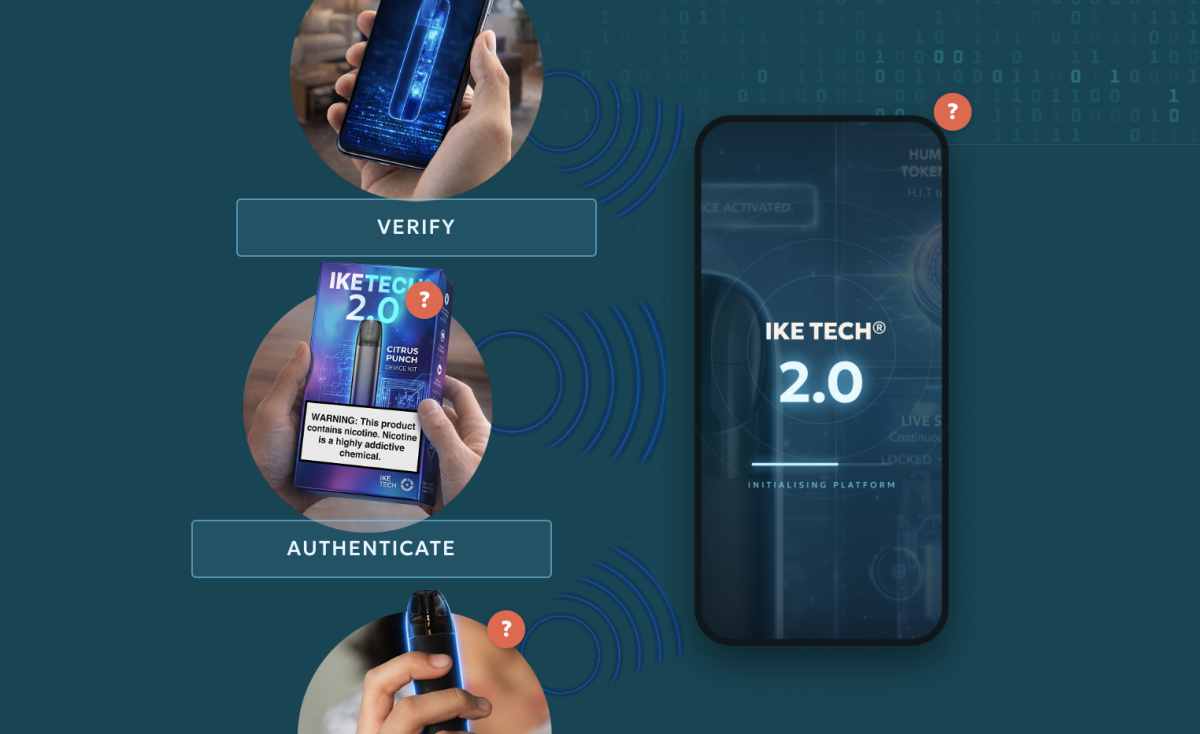
IKE Tech launched IKE 2.0 on September 28, initially targeting nicotine products with a platform that combines user identity verification, product authentication, configurable policy controls and data analytics. Products can be authenticated through direct device integration or NFC smart tags. IKE Tech was formed with participation from Ispire's Aspire North America, Berify and Chemular, with Ispire currently holding a 40% interest. Its age-verification component PMTA was accepted by the FDA in 2025 and remains under review. The company did not disclose customer names, commercial deployment volumes, pricing or revenue tied to IKE 2.0.
News
Sep.29 by 2Firsts Perspectives
SMOORE’s DOJO by VAPORESSO to Launch New Global Brand Identity on September 1
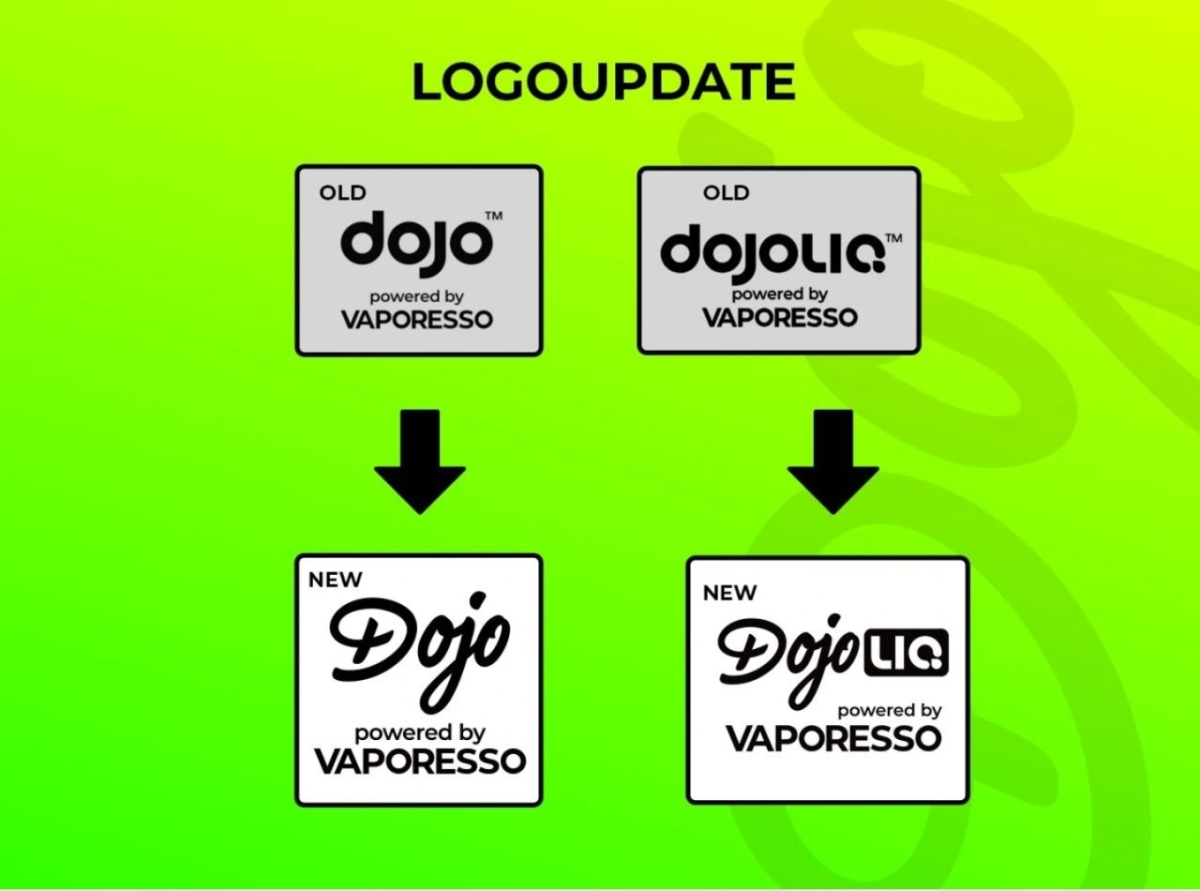
According to recent LinkedIn posts from people at VAPORESSO, SMOORE and a German distribution partner, vape brand DOJO will begin rolling out a new global brand identity on September 1, 2026, led by a redesigned handwritten logo. The new visual system will be gradually applied across product packaging, marketing materials and digital assets over the following months. Fabio Corsaro, Head of Marketing and Purchasing at MG Wesel GmbH, said the rebrand was related to trademark issues, but that explanation has not been publicly confirmed by DOJO, VAPORESSO or SMOORE. DOJO is currently promoting its Blast X product in Germany.
Aug.31
UK Vape Duty Starts in October as Hayati, DOJO and Others Launch Lower-Capacity Products With Lower Per-Unit Tax
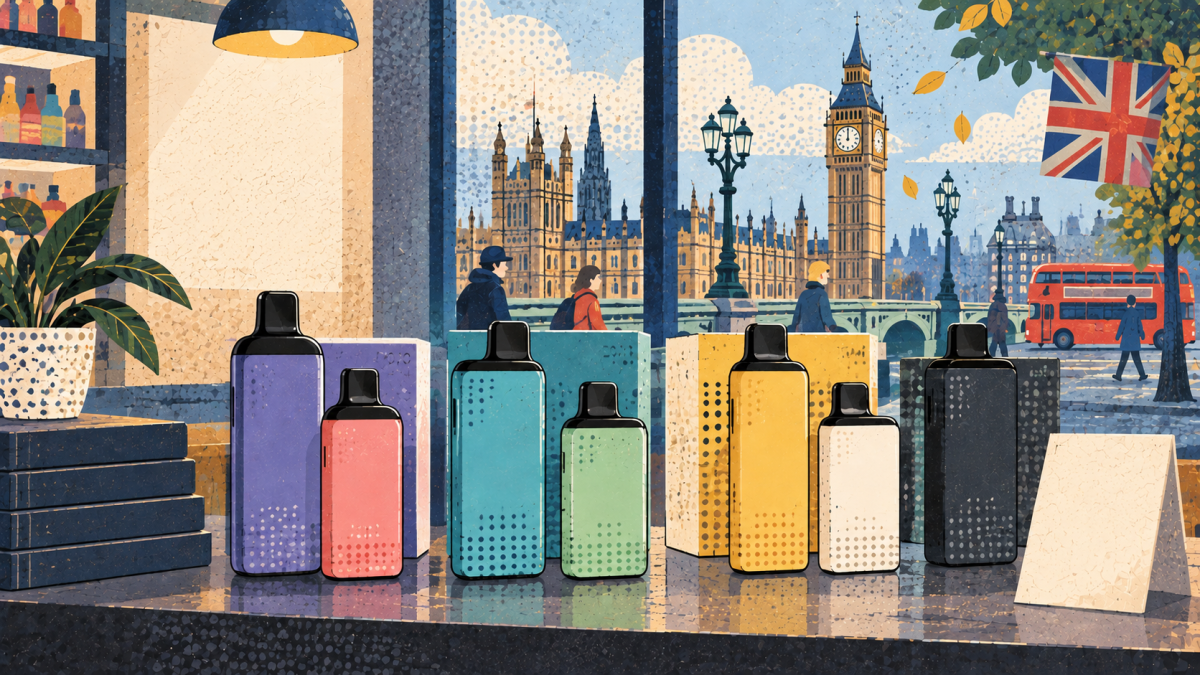
The UK's Vaping Products Duty will take effect on October 1, 2026, at a flat rate of £2.20 per 10ml of vaping liquid. Ahead of implementation, DOJO, PIXL and Hayati have introduced or been reported to be adding lower-capacity tiers alongside larger products. DOJO has added a 6ml BLAST7K Fresh below its 10ml BLAST10K Fresh, PIXL offers both a 12ml 8000 and a 6ml 5K, while retailer Ninja Vapes says Hayati is preparing a 7ml 4K alongside its existing 12ml 6K. The pattern points to a growing lower-capacity tier in the UK market, although the brands have not all explicitly linked the changes to the new duty.
Sep.23
Product | JTI Introduces Fully Dissolvable PERLZ Nicotine Pearls in UK, Expands Range From 30-Pearl Dispensers to 10-Pearl Sachets
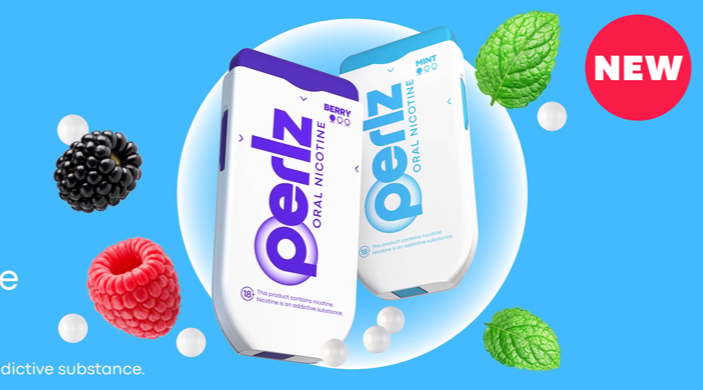
Japan Tobacco International (JTI) has introduced PERLZ nicotine pearls in the UK, expanding its oral nicotine portfolio beyond conventional nicotine pouches. The fully dissolvable, multi-layer pearls are placed under the tongue and come in Mint and Berry flavors at concentrations of 1mg/g and 2mg/g, equivalent to approximately 0.3mg and 0.5mg of nicotine per pearl. UK retailer Haypp published four 30-pearl dispenser listings on July 31, 2026, followed by three 10-pearl sachet products on August 17. The dispensers retail for £6.50, while the sachets cost £2.50.
product
Oct.12
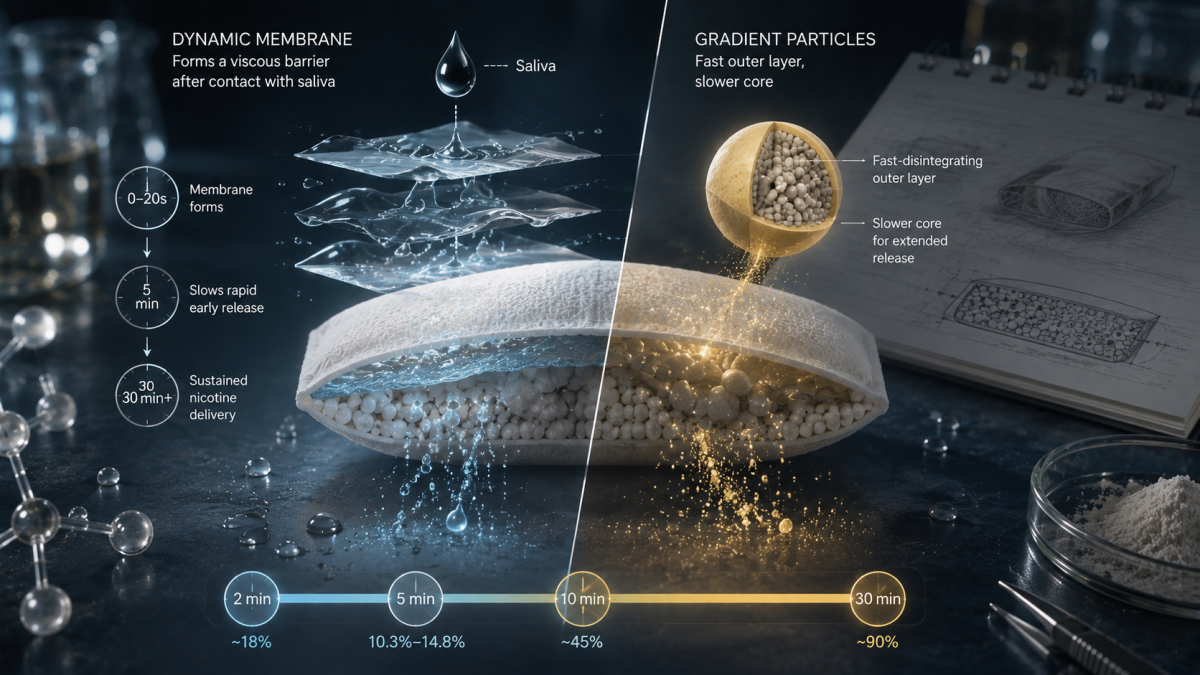
China Tobacco Hubei explores staged nicotine pouch delivery, using dynamic membranes to slow early release and gradient particles to sustain later delivery
China Tobacco Hubei Industrial Co., Ltd. disclosed several oral nicotine-related patent applications in August 2026, including two that approach staged nicotine release from different directions. One uses a high-viscosity membrane that forms inside the pouch after contact with saliva to slow rapid early release, while the other uses gradient particles with a faster-disintegrating outer layer and a slower core to create a fast-to-sustained release profile. Together, the filings explore how nicotine pouches could balance initial delivery with release later in use.
Sep.03