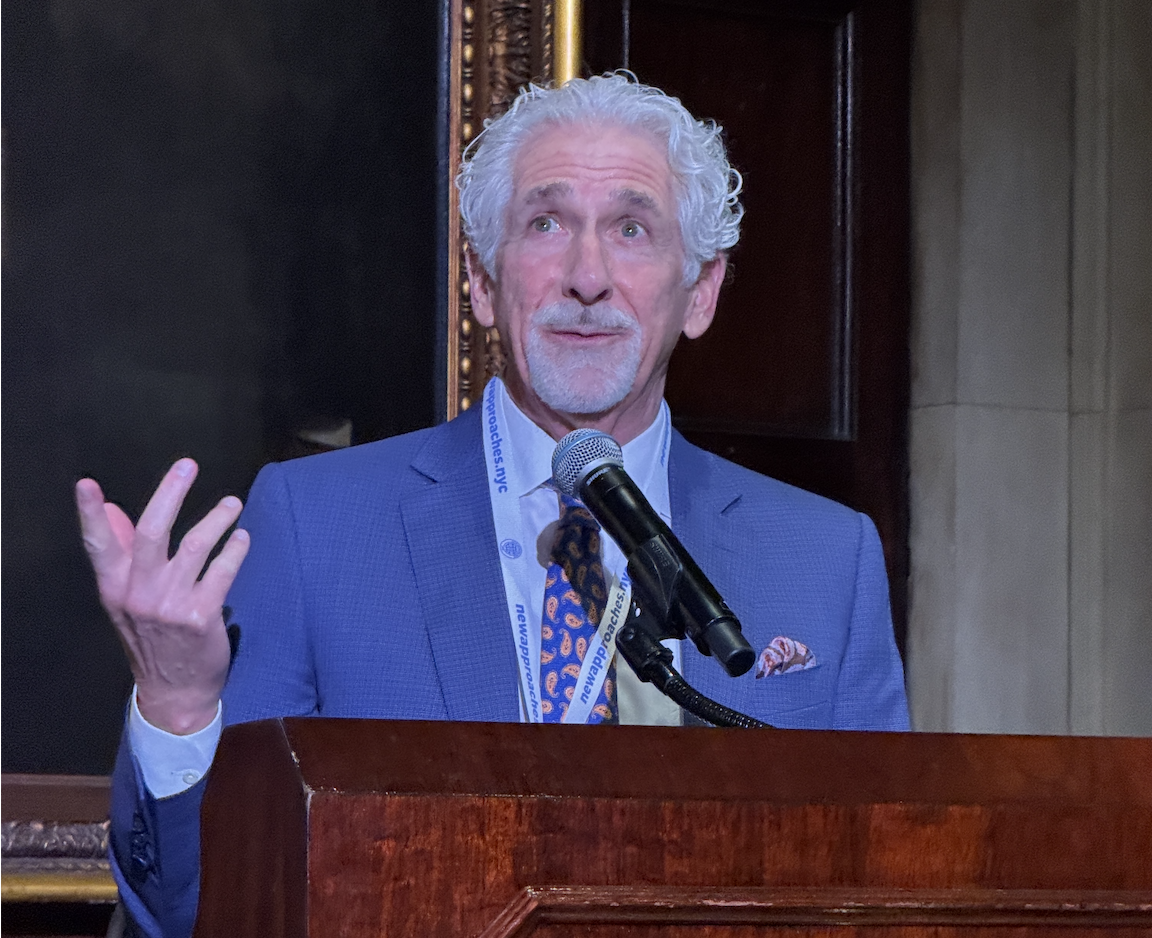
According to a report by the BBC on March 25, Tadeu Marroco, the CEO of British American Tobacco (BAT), stated that banning disposable e-cigarettes would not be effective and that raising the smoking age limit would have "unintended consequences.
The British government plans to ban the sale of disposable e-cigarettes starting in April of next year, in what is being touted as the biggest public health measure in decades. Currently, BAT is the third largest e-cigarette sales company in the UK. Sales of disposable e-cigarettes have surged in recent years, with projections indicating that annual sales could reach into the billions, many of which are being sold illegally.
The British government announced a tobacco and e-cigarette law last week, which will prohibit individuals born after 2009 from purchasing tobacco and impose on-the-spot fines for retailers selling to those under 18.
However, Maroko stated that similar bans in other countries have not achieved the desired results. He said:
In other countries, the effectiveness of this policy is not ideal. In Australia, for example, a complete ban has led to high levels of purchases by teenagers in the illegal market, and Brazil has experienced a similar situation.
Deborah Arnott, Chief Executive of the anti-smoking charity organization Action on Smoking and Health (ASH), has expressed opposition to the ban on disposable products, stating that while it is feasible, strict regulation is necessary not only within shops but also to prevent illegal imports.
BAT, one of the largest publicly traded companies in the UK, ranks third in the disposable e-cigarette market. Chinese companies SKE and Heaven Gifts are the market leaders, manufacturing e-cigarette products including ELFBAR and Lost Mary.
Maroko agreed that stricter punishment measures are needed. He stated that the proposed on-the-spot fine of £100 "is not enough" and called for the implementation of France's proposed €100,000 (approximately £86,000) "appropriate fine".
However, he issued a warning against the government's plan to raise the legal smoking age limit each year, stating that those born in 2009 and later will never be able to legally purchase tobacco, which will have "unintended consequences" for retail and enforcement.
"We first need to address the issue of minors using e-cigarettes. We need to have retail licenses, just like we do for alcohol products," he reiterated the company's call to ban flavors that appeal to children, such as dessert and soft drink flavors.
When asked whether BAT only supports policies that align with the company's interests, the CEO replied, "This is an industry that has been under close scrutiny on how to reduce the impact of our products on health... This is the first time we have the technology to do this."
Mr. Marlboro defended the company's sponsorship activities, stating that they were "primarily targeted at adults" as they distributed free samples of their oral nicotine pouch products for promotional purposes. "We are very careful about this," he said. The UK Tobacco and E-cigarette Act will grant the government the power to regulate the sale of nicotine pouches.
When asked if the company has a say in regulating e-cigarettes, Mr. Maloco did not comment, but he said, "We have already discussed these issues in detail in the past, and they are now in the past...BAT now has the opportunity to reduce the risks of our products, which was not possible in the past."
Mrs. Arnot from ASH stated:
We have heard BAT say many times that they have changed, but BAT is still promoting traditional tobacco cigarettes...most of their profits still come from this. This is why they don't like government sales age legislation, not because it is ineffective, but because it is effective.
In a statement, the Department of Health and Social Care stated that approximately 80,000 people in the UK die from smoking each year, leading to a loss of £17 billion annually. The Tobacco and E-cigarette Bill is the largest public health measure in recent decades, aiming to protect future generations from the harm of smoking. It is expected to save thousands of lives and billions of pounds for our National Health Service, freeing up new resources to improve the overall health of the UK.
We welcome news tips, article submissions, interview requests, or comments on this piece.
Please contact us at info@2firsts.com, or reach out to Alan Zhao, CEO of 2Firsts, on LinkedIn
Notice
1. This article is intended solely for professional research purposes related to industry, technology, and policy. Any references to brands or products are made purely for objective description and do not constitute any form of endorsement, recommendation, or promotion by 2Firsts.
2. The use of nicotine-containing products — including, but not limited to, cigarettes, e-cigarettes, nicotine pouchand heated tobacco products — carries significant health risks. Users are responsible for complying with all applicable laws and regulations in their respective jurisdictions.
3. This article is not intended to serve as the basis for any investment decisions or financial advice. 2Firsts assumes no direct or indirect liability for any inaccuracies or errors in the content.
4. Access to this article is strictly prohibited for individuals below the legal age in their jurisdiction.
Copyright
This article is either an original work created by 2Firsts or a reproduction from third-party sources with proper attribution. All copyrights and usage rights belong to 2Firsts or the original content provider. Unauthorized reproduction, distribution, or any other form of unauthorized use by any individual or organization is strictly prohibited. Violators will be held legally accountable.
For copyright-related inquiries, please contact: info@2firsts.com
AI Assistance Disclaimer
This article may have been enhanced using AI tools to improve translation and editorial efficiency. However, due to technical limitations, inaccuracies may occur. Readers are encouraged to refer to the cited sources for the most accurate information.
We welcome any corrections or feedback. Please contact us at: info@2firsts.com