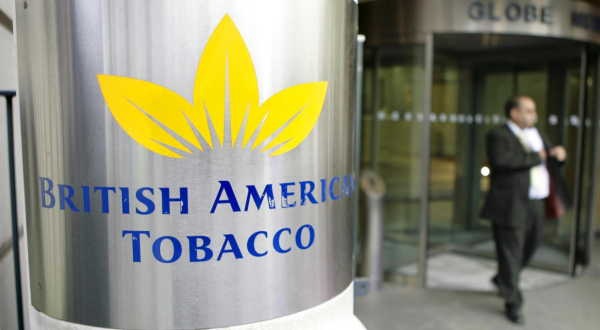
According to a report by journalnow on January 29th, British American Tobacco (BAT) may face multiple shareholder lawsuits due to a $31.5 billion impairment on the iconic traditional cigarette brand of Reynolds Tobacco Company.
This write-down has triggered responses from at least five law firms, who are actively seeking potential lead plaintiffs. These investors allege that BAT made false statements and failed to disclose the risks associated with the write-down of high-end American cigarette brands.
In early December last year, BAT disclosed the devaluation of brands such as Xin Gang, Luo Tu, Beiermo, and American Natural Spirit, changing their value status from "indefinite" to "limited". As a result, the value lifespan of these four brands shifted from "permanent" to approximately 30 years, meaning until 2054.
At least five law firms are currently seeking potential lead plaintiffs for lawsuits that share a commonality: BAT failed to adequately disclose the risks it faced, leading to a near 9% drop in stock prices for investors after the devaluation announcement on December 6th.
Tadeu Marocco, CEO of BAT, mentioned BAT's vision of creating a "smoke-free world" and the impact of current macroeconomic obstacles on the combustible tobacco industry in the United States while explaining the impairment decision.
This devaluation is a clear indication of concerns over the rapid decline in traditional cigarette consumption in the United States. According to the data from the Centers for Disease Control and Prevention, approximately 11.5% of American adults were identified as smokers in 2021, marking a decrease from 20.9% in 2005.
Investor concerns indicate the pressure faced by BAT in building a strategy for smokeless nicotine and tobacco products. The executive changes at Reynolds Company have intensified the pressure for improving the performance of their traditional cigarette portfolio.
During the first half of the 2023 fiscal year, at the financial report briefing, Marloko clearly stated, "We are disappointed with the performance of our traditional cigarettes in the United States. Sustaining value creation in combustible products is crucial for our multi-category strategy in the US.
The potential litigation period for purchasers of publicly traded securities of BAT extends from February 9th to December 6th. This lawsuit will have implications for BAT and its current and former executives, potentially making them defendants in the litigation.
We welcome news tips, article submissions, interview requests, or comments on this piece.
Please contact us at info@2firsts.com, or reach out to Alan Zhao, CEO of 2Firsts, on LinkedIn
Notice
1. This article is intended solely for professional research purposes related to industry, technology, and policy. Any references to brands or products are made purely for objective description and do not constitute any form of endorsement, recommendation, or promotion by 2Firsts.
2. The use of nicotine-containing products — including, but not limited to, cigarettes, e-cigarettes, nicotine pouchand heated tobacco products — carries significant health risks. Users are responsible for complying with all applicable laws and regulations in their respective jurisdictions.
3. This article is not intended to serve as the basis for any investment decisions or financial advice. 2Firsts assumes no direct or indirect liability for any inaccuracies or errors in the content.
4. Access to this article is strictly prohibited for individuals below the legal age in their jurisdiction.
Copyright
This article is either an original work created by 2Firsts or a reproduction from third-party sources with proper attribution. All copyrights and usage rights belong to 2Firsts or the original content provider. Unauthorized reproduction, distribution, or any other form of unauthorized use by any individual or organization is strictly prohibited. Violators will be held legally accountable.
For copyright-related inquiries, please contact: info@2firsts.com
AI Assistance Disclaimer
This article may have been enhanced using AI tools to improve translation and editorial efficiency. However, due to technical limitations, inaccuracies may occur. Readers are encouraged to refer to the cited sources for the most accurate information.
We welcome any corrections or feedback. Please contact us at: info@2firsts.com