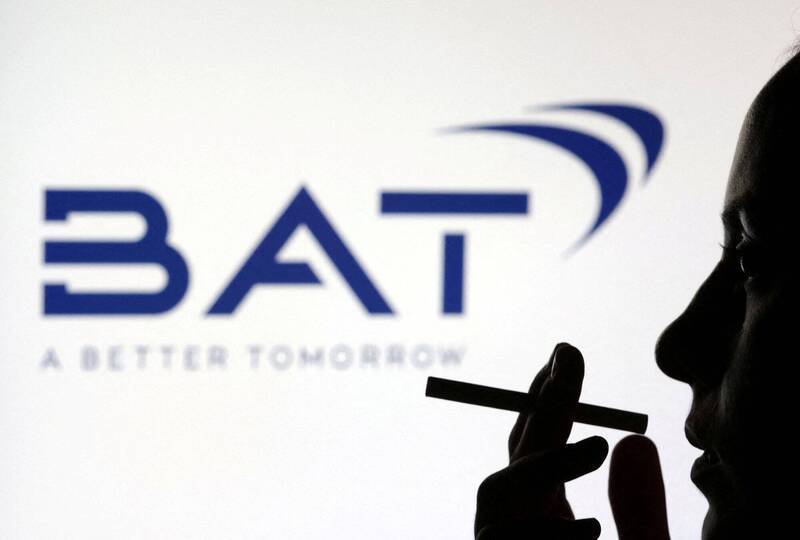
According to a report by the South Korean news agency Yonhap on May 8, the global tobacco company British American Tobacco (BAT) plans to launch a new synthetic nicotine e-cigarette product as early as the third quarter of this year.
According to reports, British American Tobacco's South Korean subsidiary, Rothmans, stated that the company is considering launching a synthetic nicotine e-cigarette. However, it is still in the preparation stage and the specific release date and product specifications are not yet clear.
It is worth noting that the British American Tobacco Group is considering launching a synthetic nicotine e-cigarette, with South Korea being the only place in the world where this is being considered. This is due to the fact that synthetic nicotine e-cigarettes in South Korea are not subject to tobacco industry regulations, creating a unique market environment.
According to tobacco industry regulations, only products containing tobacco leaves as ingredients are defined as tobacco, so synthetic nicotine tobacco is not considered tobacco. It can be sold and promoted online without warning labels and images. Additionally, selling to minors does not result in penalties. Synthetic nicotine e-cigarettes are also not subject to taxation or additional taxes.
In response, British American Tobacco has hinted that it will sell its new products at a lower price than existing e-cigarettes. A representative of BAT Rothmans said, "If we save on taxes and additional costs in synthetic nicotine products, we will pass on this discount to consumers."
In regards to the possibility of synthetic nicotine e-cigarettes becoming a "loophole" in current laws, BAT Rothmans stated in a statement that the company agrees that "regulations for synthetic nicotine tobacco should be implemented in the same way as regular tobacco" and supports the introduction of reasonable regulations.
They also stated that, "Regardless of the implementation of tobacco regulations on synthetic nicotine, they will voluntarily comply with various tobacco regulations and policies related to health in Korea." They promised to avoid design elements that appeal to minors and strictly adhere to age verification systems for responsible sales activities. They also mentioned, "The company is investing over 500 billion KRW annually and approximately 50 billion KRW in research and development funds to enhance the capabilities of the research and development innovation center. Based on research and development technology, they will launch safe and high-quality products."
We welcome news tips, article submissions, interview requests, or comments on this piece.
Please contact us at info@2firsts.com, or reach out to Alan Zhao, CEO of 2Firsts, on LinkedIn
Notice
1. This article is intended solely for professional research purposes related to industry, technology, and policy. Any references to brands or products are made purely for objective description and do not constitute any form of endorsement, recommendation, or promotion by 2Firsts.
2. The use of nicotine-containing products — including, but not limited to, cigarettes, e-cigarettes, nicotine pouchand heated tobacco products — carries significant health risks. Users are responsible for complying with all applicable laws and regulations in their respective jurisdictions.
3. This article is not intended to serve as the basis for any investment decisions or financial advice. 2Firsts assumes no direct or indirect liability for any inaccuracies or errors in the content.
4. Access to this article is strictly prohibited for individuals below the legal age in their jurisdiction.
Copyright
This article is either an original work created by 2Firsts or a reproduction from third-party sources with proper attribution. All copyrights and usage rights belong to 2Firsts or the original content provider. Unauthorized reproduction, distribution, or any other form of unauthorized use by any individual or organization is strictly prohibited. Violators will be held legally accountable.
For copyright-related inquiries, please contact: info@2firsts.com
AI Assistance Disclaimer
This article may have been enhanced using AI tools to improve translation and editorial efficiency. However, due to technical limitations, inaccuracies may occur. Readers are encouraged to refer to the cited sources for the most accurate information.
We welcome any corrections or feedback. Please contact us at: info@2firsts.com