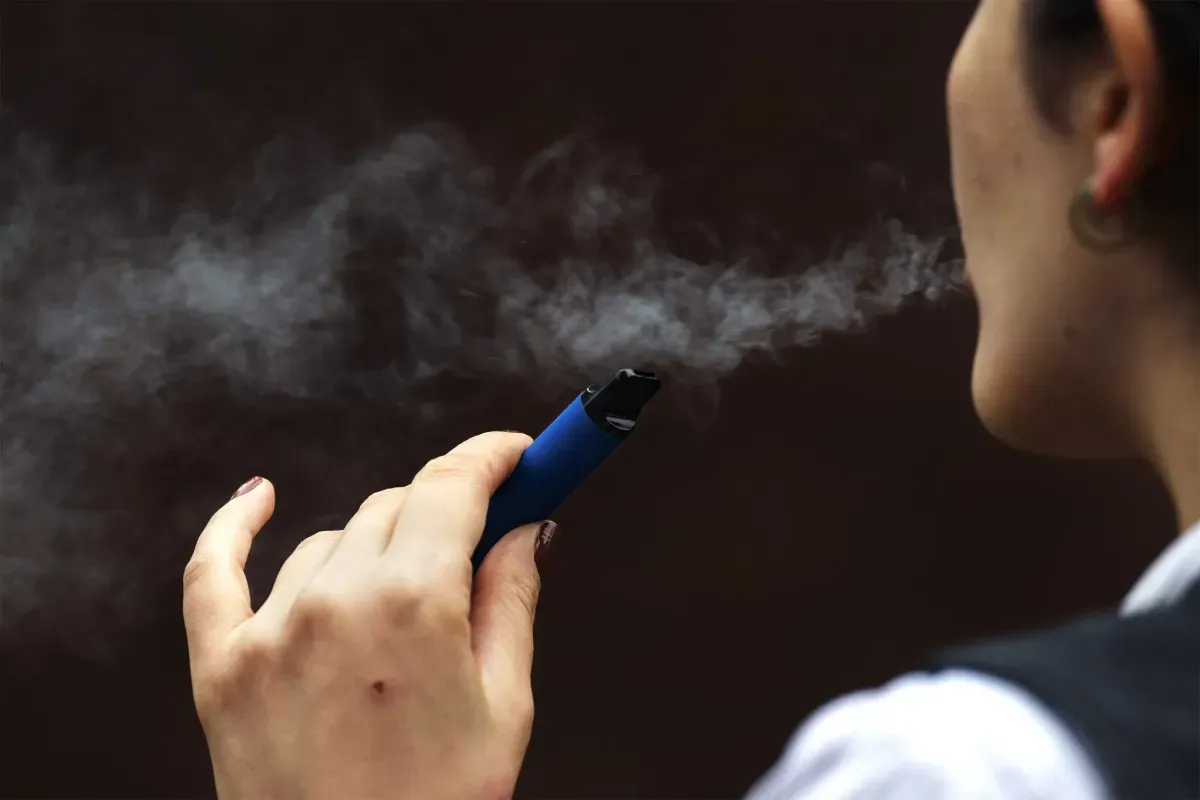
Belgium to Ban Public Display of Tobacco Products in 2025

Regulations by 2FIRSTS.ai
Jul.12.2024
Belgium to Ban Public Display of Tobacco Products in 2025
Belgium to ban display of tobacco products in all stores starting April 1, 2025, to reduce smoking rates.

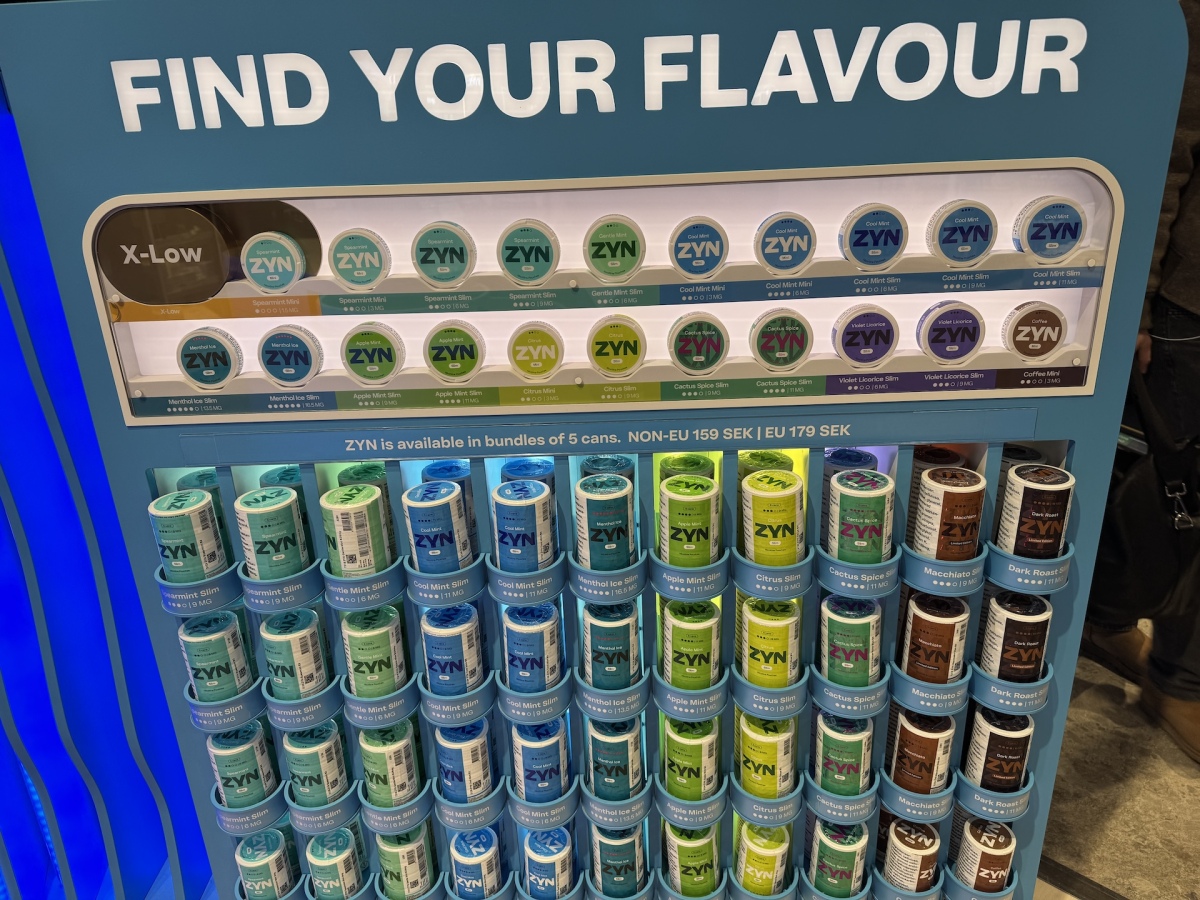
According to The Mayor.EU's report on July 11th, the Belgian Federal Public Health Service (FPS) announced that starting April 1, 2025, all shops nationwide will not be allowed to publicly display the tobacco products they sell. This means not only hiding brand logos, but also hiding the actual products themselves.


The aim of this restriction is to reduce the smoking rate in the country by decreasing the visibility of tobacco products.


The measure, which was supposed to take effect on January 1st, has been delayed by three months. The ban applies to all types of tobacco and smoking-related products, including cigarettes, cigars, e-cigarettes, filters, and rolling paper.


Furthermore, the Belgian government has raised the price of cigarettes through taxation this year, and has committed to increasing the number of smoke-free public places.


The ban applies to all retailers in Belgium but not to wholesalers. Non-compliance with the restriction may result in up to one year of imprisonment and fines ranging from 2,000 to 800,000 euros.


According to the Belgian news agency Belga, the Belgian e-cigarette retail and distribution alliance VapeBel has expressed disappointment. The alliance stated that professional shops play a role in effectively verifying the age of customers and introducing e-cigarette products as a smoking cessation tool for adult smokers.


VapeBel calls for exceptions to be made for professional stores.


Authorities have stated that retailers should compile price lists that include the names and brands of tobacco products, so that customers know what is available in stores. However, these price lists must not contain any brand logos.


We welcome news tips, article submissions, interview requests, or comments on this piece.

Please contact us at info@2firsts.com, or reach out to Alan Zhao, CEO of 2Firsts, on LinkedIn


Notice

1.  This article is intended solely for professional research purposes related to industry, technology, and policy. Any references to brands or products are made purely for objective description and do not constitute any form of endorsement, recommendation, or promotion by 2Firsts.

2.  The use of nicotine-containing products — including, but not limited to, cigarettes, e-cigarettes, nicotine pouchand heated tobacco products — carries significant health risks. Users are responsible for complying with all applicable laws and regulations in their respective jurisdictions.

3.  This article is not intended to serve as the basis for any investment decisions or financial advice. 2Firsts assumes no direct or indirect liability for any inaccuracies or errors in the content.

4.  Access to this article is strictly prohibited for individuals below the legal age in their jurisdiction.


Copyright


This article is either an original work created by 2Firsts or a reproduction from third-party sources with proper attribution. All copyrights and usage rights belong to 2Firsts or the original content provider. Unauthorized reproduction, distribution, or any other form of unauthorized use by any individual or organization is strictly prohibited. Violators will be held legally accountable.

For copyright-related inquiries, please contact: info@2firsts.com


AI Assistance Disclaimer


This article may have been enhanced using AI tools to improve translation and editorial efficiency. However, due to technical limitations, inaccuracies may occur. Readers are encouraged to refer to the cited sources for the most accurate information.

We welcome any corrections or feedback. Please contact us at: info@2firsts.com

FDA Sued Over Allowing Some Unauthorized Vapes and Nicotine Pouches to Stay on Market
Public health groups, pediatricians and parents sued the U.S. Food and Drug Administration on July 14, 2026, challenging a May enforcement guidance that they say allows unauthorized e-cigarettes and nicotine pouches to remain on the market while applications are under review.
Jul.15
JT Plans ¥800 Billion Investment in Heated Tobacco Over Three Years, Betting on Ploom as Second Growth Engine
Japan Tobacco Inc. (JT) CEO Takehiko Tsutsui said the company plans to invest about ¥800 billion (approximately US$5.4 billion) in heated tobacco products over three years through 2028, aiming to establish Ploom as a second growth engine after combustible cigarettes. Tsutsui said Ploom AURA helped JT increase its share of Japan’s heated tobacco market to 15.8% in the first quarter of 2026. Ploom products are now available in 29 markets, with Ploom AURA sold in 25 markets including Japan. JT also plans to continue its cigarette business while positioning its food operations, particularly frozen noodle products in North America, as another growth opportunity.
Jul.23
Tasmania Reports Annual Enforcement Results: 5.5 Million Illegal Cigarettes and Nearly 30,000 Vapes Seized, With IGET Products Visible in Official Images
Tasmania reported its 2025/26 illicit tobacco enforcement results on July 14, with authorities seizing about 5.5 million illegal cigarettes, more than 2,500 kilograms of loose tobacco and nearly 30,000 vapes.
Jul.15
South Korean Lawmaker Jeong Jin-wook Pushes Synthetic Nicotine Vape Probe, Highlighting Supply Chain and Tax Concerns
South Korean lawmaker Jeong Jin-wook has again called for stronger government action against liquid synthetic nicotine vape manufacturers and sellers, alleging that some businesses may have avoided regulation through product labeling changes and corporate restructuring. According to Newsworks, JNILBO and other Korean reports, Jeong has held his third press conference on the issue, calling for a government-wide investigation. The dispute involves whether synthetic nicotine products should fall under tobacco regulations, tax implications and supply-chain transparency. South Korean government agencies have previously said some estimates of potential tax losses cannot be verified due to limited sales data.
Jul.27
Special Report | Russia, Ukraine and Belarus Launch Fresh Push to Rein in Vaping
Russia, Ukraine and Belarus are tightening vape regulation through different tools, from Ukraine’s stronger enforcement push and Belarus’s proposed advertising restrictions to Russia’s new GOST standard and regional sales-ban mechanism. As black-market concerns persist, some Russian experts argue that China’s tightly controlled but legalised model — built around licensing, traceability and taxation — may offer a more effective alternative to blanket prohibition.
Jul.15
One Year After UK Disposable Vape Ban: Youth Use Falls to 13%, Adult Use to 8%
among both youth and adults. However, industry groups and regulators warn that the illicit vape market remains a growing concern.
Jun.09