Brazilian Federal Tax Bureau Seizes Batch of Hidden E-cigarettes

Regulations by 2FIRSTS.ai
Dec.20.2023
Brazilian Federal Tax Bureau Seizes Batch of Hidden E-cigarettes
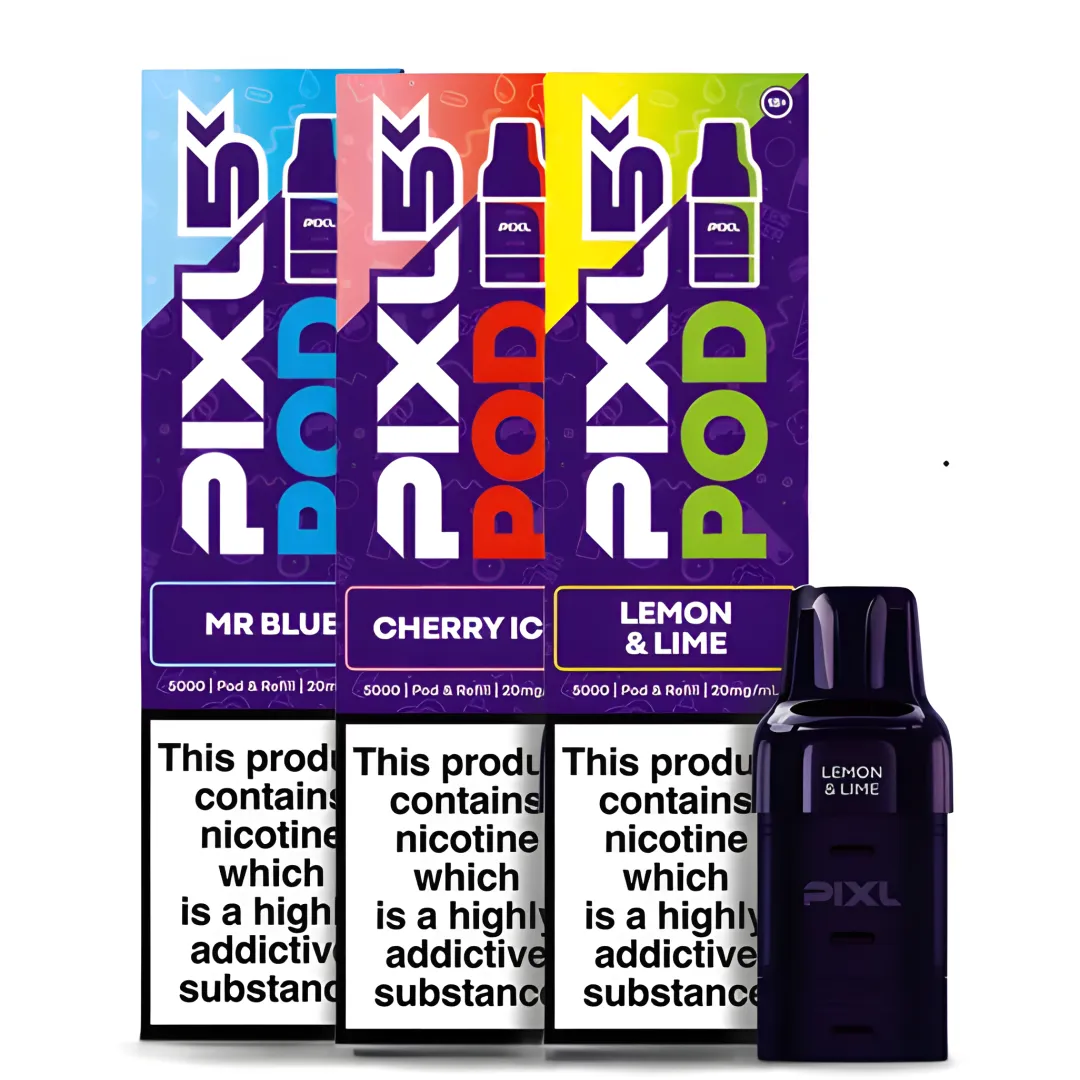
Brazilian Federal Revenue Bureau (RFB) intercepted a batch of smuggled e-cigarettes hidden in a car on the Friendship Bridge.

According to a report by H2FOZ on December 19th, the Brazilian Federal Revenue Service (RFB) seized a shipment of e-cigarettes hidden in a false bottom of a car during a routine inspection on the international Friendship Bridge between Iguazu and Estet cities.


The vehicle was intercepted by customs upon entering Brazil. During the inspection, around 880 e-cigarettes were found concealed in the rear portion of the vehicle, with an estimated value of 25,000 Brazilian reais. The driver was arrested on the spot, and it was discovered that he was a repeat offender. According to the Federal Revenue Office, "This Paraguayan national had previously been arrested for smuggling e-cigarettes.


We welcome news tips, article submissions, interview requests, or comments on this piece.

Please contact us at info@2firsts.com, or reach out to Alan Zhao, CEO of 2Firsts, on LinkedIn


Notice

1.  This article is intended solely for professional research purposes related to industry, technology, and policy. Any references to brands or products are made purely for objective description and do not constitute any form of endorsement, recommendation, or promotion by 2Firsts.

2.  The use of nicotine-containing products — including, but not limited to, cigarettes, e-cigarettes, nicotine pouchand heated tobacco products — carries significant health risks. Users are responsible for complying with all applicable laws and regulations in their respective jurisdictions.

3.  This article is not intended to serve as the basis for any investment decisions or financial advice. 2Firsts assumes no direct or indirect liability for any inaccuracies or errors in the content.

4.  Access to this article is strictly prohibited for individuals below the legal age in their jurisdiction.


Copyright


This article is either an original work created by 2Firsts or a reproduction from third-party sources with proper attribution. All copyrights and usage rights belong to 2Firsts or the original content provider. Unauthorized reproduction, distribution, or any other form of unauthorized use by any individual or organization is strictly prohibited. Violators will be held legally accountable.

For copyright-related inquiries, please contact: info@2firsts.com


AI Assistance Disclaimer


This article may have been enhanced using AI tools to improve translation and editorial efficiency. However, due to technical limitations, inaccuracies may occur. Readers are encouraged to refer to the cited sources for the most accurate information.

We welcome any corrections or feedback. Please contact us at: info@2firsts.com

Philippine Health Department Pushes Total Vape Ban, With Tobacco-Only Flavor Limit as Alternative
The Philippine Department of Health said it is pushing for a total ban on vape products. If a full ban is not feasible, DOH officer-in-charge Director Dr. Dominic Maddumba said vape products should at least be limited to plain tobacco flavors to reduce their appeal to minors.
May.06 by 2FIRSTS.ai
Israel’s Finance Ministry Advances New Tax Plan for Vapes, Tobacco Pouches and Nicotine Pouches
Israel’s Finance Ministry is advancing a new bill to tax e-cigarettes, tobacco pouches and nicotine pouches. According to the report, once approved by the Knesset Finance Committee, the initiative would only require the signature of Finance Minister Bezalel Smotrich to take effect. The plan would lower the tax on vape liquid while introducing new taxes on vape devices and on tobacco and nicotine pouches.
Apr.22 by 2FIRSTS.ai
VEEV Arrives in South Korea, Completing PMI’s IQOS-ZYN-VEEV Portfolio
Philip Morris Korea has officially launched its VEEV e-vapor brand in South Korea, introducing both the VEEV inPRIME device and VEEBI inPRIME pods. The launch further expands PMI’s smoke-free portfolio in Korea, alongside its IQOS heated tobacco products and ZYN nicotine pouches.
Jun.16
FDA Adds 18 Tobacco Harmful Constituents and Seeks Comment on 3 More
U.S. Food and Drug Administration published a Federal Register notice finalizing the addition of 18 constituents to the established list of Harmful and Potentially Harmful Constituents in tobacco products. With the update, the list now contains 111 constituents. FDA also proposed adding three more constituents to the list and opened a public comment period ending at 11:59 p.m. ET on May 26, 2026.
Apr.24 by 2FIRSTS.ai
From myblu to Zone: Imperial Brands Refocuses NGP Strategy in HY26
mperial Brands’ HY26 results point to a more selective NGP transition. The company is using cash flow from traditional tobacco to fund targeted investments in modern oral nicotine, heated tobacco and reusable vaping systems. Its decision to exit the legacy myblu vaping business in the U.S., while expanding Zone nicotine pouches. In Europe, Imperial’s NGP growth is being driven by a multi-category portfolio including blu, Pulze and Zone/Skruf.
Special Report
May.12
Bringing Tax and Insurance Into Nicotine Regulation: Insights From a Tobacco Harm-Reduction Report
A smoke-free nicotine policy report argues that tobacco harm reduction should move beyond product bans and health warnings into tax policy, insurance pricing and risk-based regulation. While some projections remain open to debate, the report highlights a wider challenge: nicotine products, technologies and consumer behavior have changed sharply over the past decade, and regulatory systems may need new tools to better align tobacco control with harm-reduction goals.
Jun.08