Bulgaria to Ban Sale of Non-Tobacco Flavored Products in 2024

Regulations by 2FIRSTS.ai
Dec.15.2023
Bulgaria to Ban Sale of Non-Tobacco Flavored Products in 2024
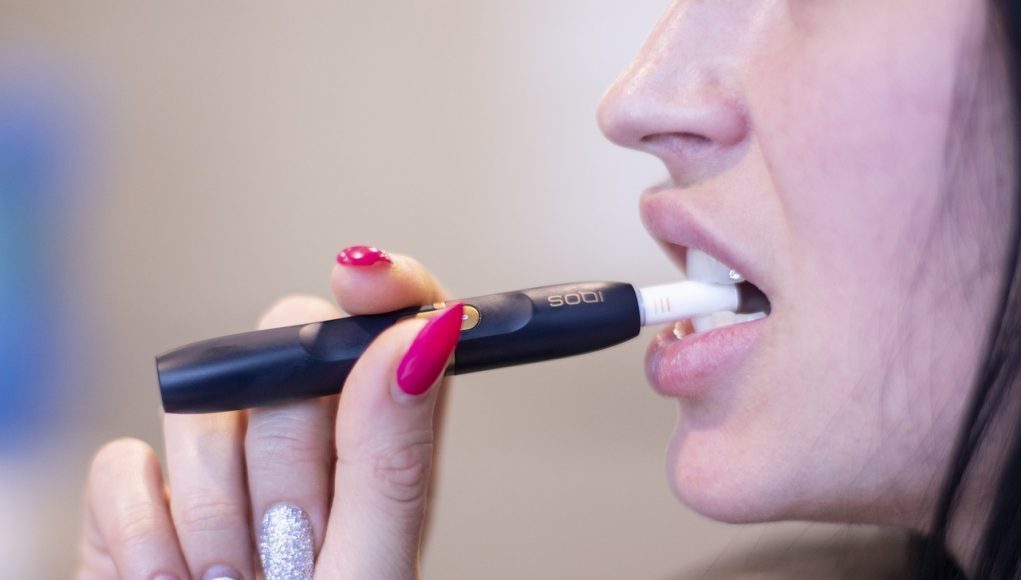
Bulgaria will ban all heated tobacco products, excluding tobacco flavor, from January 1st, 2024, to comply with EU regulations.

According to recent reports by Bulgarian media outlet Novinite, all heated tobacco products, excluding tobacco-flavored ones, will cease to be sold in Bulgaria starting from January 1, 2024. This regulation was established through the revision of the Tobacco and Tobacco Products Act by legislators without causing any controversy.


The recently approved amendment to the tobacco and tobacco products law by the House of Representatives has established this provision without any debate. This move is in response to a directive from the European Commission, non-compliance of which could result in criminal prosecution against Bulgaria. The aim of these amendments is to reduce the appeal of heated tobacco products, particularly by eliminating fragrance options.


In addition, each package of heated tobacco products must display warnings, emphasizing the associated risks during use.


According to the updated legislation, the Bulgarian Ministry of Economy and Industry will be responsible for banning additives in tobacco products that have significantly increased toxicity, addictiveness, or risks of cancer, mutation, or reproductive toxicity.


These legislative amendments await formal announcement in the national gazette published by the government.


We welcome news tips, article submissions, interview requests, or comments on this piece.

Please contact us at info@2firsts.com, or reach out to Alan Zhao, CEO of 2Firsts, on LinkedIn


Notice

1.  This article is intended solely for professional research purposes related to industry, technology, and policy. Any references to brands or products are made purely for objective description and do not constitute any form of endorsement, recommendation, or promotion by 2Firsts.

2.  The use of nicotine-containing products — including, but not limited to, cigarettes, e-cigarettes, nicotine pouchand heated tobacco products — carries significant health risks. Users are responsible for complying with all applicable laws and regulations in their respective jurisdictions.

3.  This article is not intended to serve as the basis for any investment decisions or financial advice. 2Firsts assumes no direct or indirect liability for any inaccuracies or errors in the content.

4.  Access to this article is strictly prohibited for individuals below the legal age in their jurisdiction.


Copyright


This article is either an original work created by 2Firsts or a reproduction from third-party sources with proper attribution. All copyrights and usage rights belong to 2Firsts or the original content provider. Unauthorized reproduction, distribution, or any other form of unauthorized use by any individual or organization is strictly prohibited. Violators will be held legally accountable.

For copyright-related inquiries, please contact: info@2firsts.com


AI Assistance Disclaimer


This article may have been enhanced using AI tools to improve translation and editorial efficiency. However, due to technical limitations, inaccuracies may occur. Readers are encouraged to refer to the cited sources for the most accurate information.

We welcome any corrections or feedback. Please contact us at: info@2firsts.com

Pakistan Senate bill seeks strict control of vapes and e-cigarettes in Islamabad, including under-18 sales ban
Following approval by the Senate Standing Committee on National Health Services, the Electronic Nicotine Delivery Systems (Regulation) Bill is set to be tabled in the Senate to impose strict controls on the sale, marketing and use of vapes and e-cigarettes in Islamabad.
Jan.08 by 2FIRSTS.ai
U.S. Washington State to Bring Synthetic Nicotine Under the Tobacco Tax System, Applying a Unified Tax Starting January 2026
Washington State will subject all nicotine-containing products to the Tobacco Products Tax starting January 1, 2026, taxing them at 95% of the selling price. The change covers both tobacco-derived and synthetic nicotine products and requires businesses to report their inventory when the new tax system takes effect.
Dec.29 by 2FIRSTS.ai
Belarus to Tighten Vape Regulations, Raise Excise Taxes in 2026
Belarusian lawmakers are drafting a new bill to regulate the vape market amid growing concern over youth nicotine use and the spread of illegal products. While a total ban is not planned, the focus will be on stricter licensing, advertising limits, and higher taxes.
Nov.19 by 2FIRSTS.ai
Belarus Proposes Criminal Liability for Selling Vapes to Minors
Belarus is discussing the introduction of criminal liability for selling vapes and related nicotine-containing products to minors. During a meeting of the expert council, a draft law regulating tobacco and non-tobacco nicotine products received support from most members.
Dec.15 by 2FIRSTS.ai
Canada’s B.C. Passes First Vaping Cost-Recovery Framework, Allowing Government to Sue Manufacturers Over Health Expenses
According to the Nelson Star, British Columbia has passed the Vaping Product Damages and Health Care Costs Recovery Act by a 49–42 vote. The legislation enables the provincial government to seek recovery of future public health costs from vape manufacturers, following models used in opioid and tobacco litigation.
Dec.03
Korea’s MFDS sets 2026 plan to manage and disclose harmful constituents in tobacco products
South Korea’s Ministry of Food and Drug Safety (MFDS) said it has established its 2026 work plan to systematically manage harmful constituents in tobacco products and disclose related information under the Tobacco Harmfulness Management Act, which took effect in November 2025.
Jan.16 by 2FIRSTS.ai