Crackdown on Retailers Selling Nicotine e-Cigarettes to Minors in Chester

Regulations by 2FIRSTS.ai
Dec.14.2023
Crackdown on Retailers Selling Nicotine e-Cigarettes to Minors in Chester
Five Chester stores have been targeted by local authorities for selling e-cigarettes containing nicotine to minors.

According to a report from foreign media outlet Chesterstandard, five stores in Chester, UK have come under the scrutiny of local government authorities for selling e-cigarettes containing nicotine to minors.


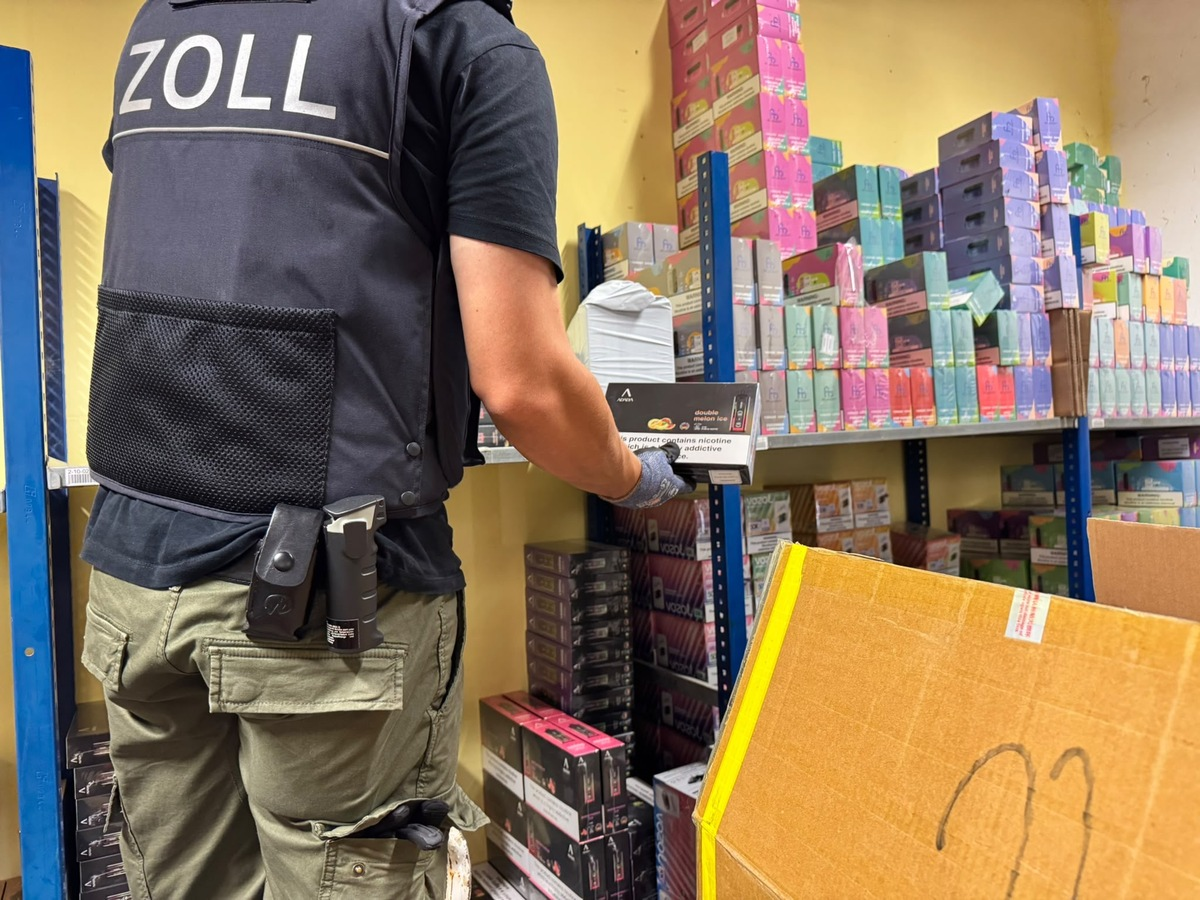
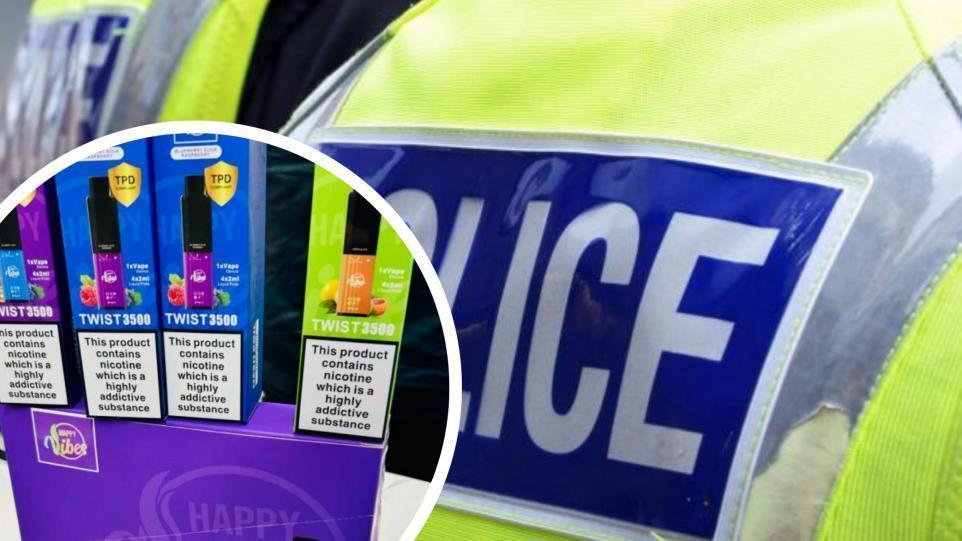
In a joint operation between Chester West and Chester City Council and Chester County Police Department, three out of the five establishments visited were found to be selling e-cigarettes containing nicotine to children. Additionally, two out of these three establishments were found to be selling illegal devices that were seized by officials.


A total of 242 e-cigarettes, 4140 packs of illegal cigarettes, and 700 grams of illegal cigarette tobacco were confiscated.


Currently, an investigation is underway to determine whether the sales staff and companies responsible for selling the products have committed any illegal activities. These actions are in violation of regulations that prohibit the sale of nicotine products to anyone under the age of 18.


We welcome news tips, article submissions, interview requests, or comments on this piece.

Please contact us at info@2firsts.com, or reach out to Alan Zhao, CEO of 2Firsts, on LinkedIn


Notice

1.  This article is intended solely for professional research purposes related to industry, technology, and policy. Any references to brands or products are made purely for objective description and do not constitute any form of endorsement, recommendation, or promotion by 2Firsts.

2.  The use of nicotine-containing products — including, but not limited to, cigarettes, e-cigarettes, nicotine pouchand heated tobacco products — carries significant health risks. Users are responsible for complying with all applicable laws and regulations in their respective jurisdictions.

3.  This article is not intended to serve as the basis for any investment decisions or financial advice. 2Firsts assumes no direct or indirect liability for any inaccuracies or errors in the content.

4.  Access to this article is strictly prohibited for individuals below the legal age in their jurisdiction.


Copyright


This article is either an original work created by 2Firsts or a reproduction from third-party sources with proper attribution. All copyrights and usage rights belong to 2Firsts or the original content provider. Unauthorized reproduction, distribution, or any other form of unauthorized use by any individual or organization is strictly prohibited. Violators will be held legally accountable.

For copyright-related inquiries, please contact: info@2firsts.com


AI Assistance Disclaimer


This article may have been enhanced using AI tools to improve translation and editorial efficiency. However, due to technical limitations, inaccuracies may occur. Readers are encouraged to refer to the cited sources for the most accurate information.

We welcome any corrections or feedback. Please contact us at: info@2firsts.com

Germany Probes 7.6 Million Illegal Vape Case With Estimated €33.3 Million Tax Loss; Four Chinese Manufacturer Employees Under Investigation, Some Packaging in Enforcement Images Resembles FUMOT Products
German prosecutors and customs authorities are conducting a criminal investigation into an alleged cross-border organised vape network. Authorities say that between January 2024 and March 2025, four employees of an unnamed Chinese e-cigarette manufacturer allegedly built a network of sales agents and wholesalers that brought more than 7.6 million nicotine disposable vapes into Germany, causing an estimated €33.3 million in excise-tax losses. The manufacturer has not been named. Some products visible in enforcement images have packaging resembling products from FUMOT’s portfolio. European regulatory records from 2024, FUMOT’s public overseas-sales materials and records involving German vape importer and distribution company Zamu-Pro GmbH also show FUMOT/RandM products and German distribution activity during the period covered by the investigation.
Sep.21
South Korea Constitutional Court Upholds Volume-Based E-Liquid Tax, With Challenged Rates at KRW 370 and KRW 628 per Milliliter
South Korea's Constitutional Court has upheld fixed taxes on nicotine-containing e-cigarette liquids based on solution volume, ruling that challenged provisions imposing KRW 370 per milliliter in individual consumption tax and KRW 628 per milliliter in tobacco consumption tax do not violate the Constitution. The cases stemmed from historical disputes involving importers that reported nicotine as being extracted from tobacco stems rather than leaves. South Korea has since broadened its tobacco definition to include synthetic nicotine, while current tax laws provide reduced rates for certain products not derived from tobacco.
Sep.18
Exclusive Analysis | Smoore H1 Revenue Rises 19.9% Amid Growth Concentration, Profit Pressure and Slowing Momentum
Smoore’s first-half 2026 revenue rose 19.9%, but the results revealed growing structural risks beneath the headline growth. Heat-not-burn contributed about 61% of incremental revenue and remains driven largely by one core customer, while traditional vaping markets diverged, own-brand growth slowed and China enterprise revenue declined further. Gross profit and adjusted profit lagged revenue growth, while second-quarter revenue growth slowed to about 1.9%, putting greater focus on the quality, concentration and sustainability of Smoore’s expansion.
Capital Markets
Aug.20
UK HMRC Unveils Red and Yellow Transitional Vape Duty Stamps Ahead of October Tax Launch
HM Revenue & Customs (HMRC) has released sample images of the UK’s transitional vaping duty stamps, showing red and yellow versions ahead of the new Vaping Products Duty and Vaping Duty Stamps Scheme starting on October 1, 2026. Transitional stamps contain physical security features but no digital scanning function. Approved businesses may purchase them through November 30 and affix them through December 31. HMRC has not stated that the red and yellow samples represent different product categories or tax statuses.
Regulations
Sep.02
2Firsts Exclusive Analysis | RLX Q2 Revenue Rises 14.8%, Company Takes Control of Western European Distributor and Expands Multi-Category Strategy
business accounting for 68.5% of sales. A new controlling investment in a Western European distributor and plans to scale modern oral nicotine pouches point to a broader international strategy spanning channels and multiple product categories.
Special Report
Aug.14
U.S. Fifth Circuit Vacates NicQuid Vape MDO, Says FDA Comparative-Efficacy Standard Violated APA Procedures
According to VitalLaw on August 27, 2026, the U.S. Court of Appeals for the Fifth Circuit vacated an FDA marketing denial order (MDO) against NicQuid LLC, ruling that the agency’s comparative-efficacy standard for electronic nicotine delivery system (ENDS) applications had become a substantive rule requiring notice-and-comment rulemaking under the Administrative Procedure Act (APA). The court did not reject FDA’s authority to compare the public health benefits and risks of flavored vapes, but held that the agency could not establish a broadly binding standard through informal adjudications. The case was remanded to FDA for further proceedings.
Aug.28