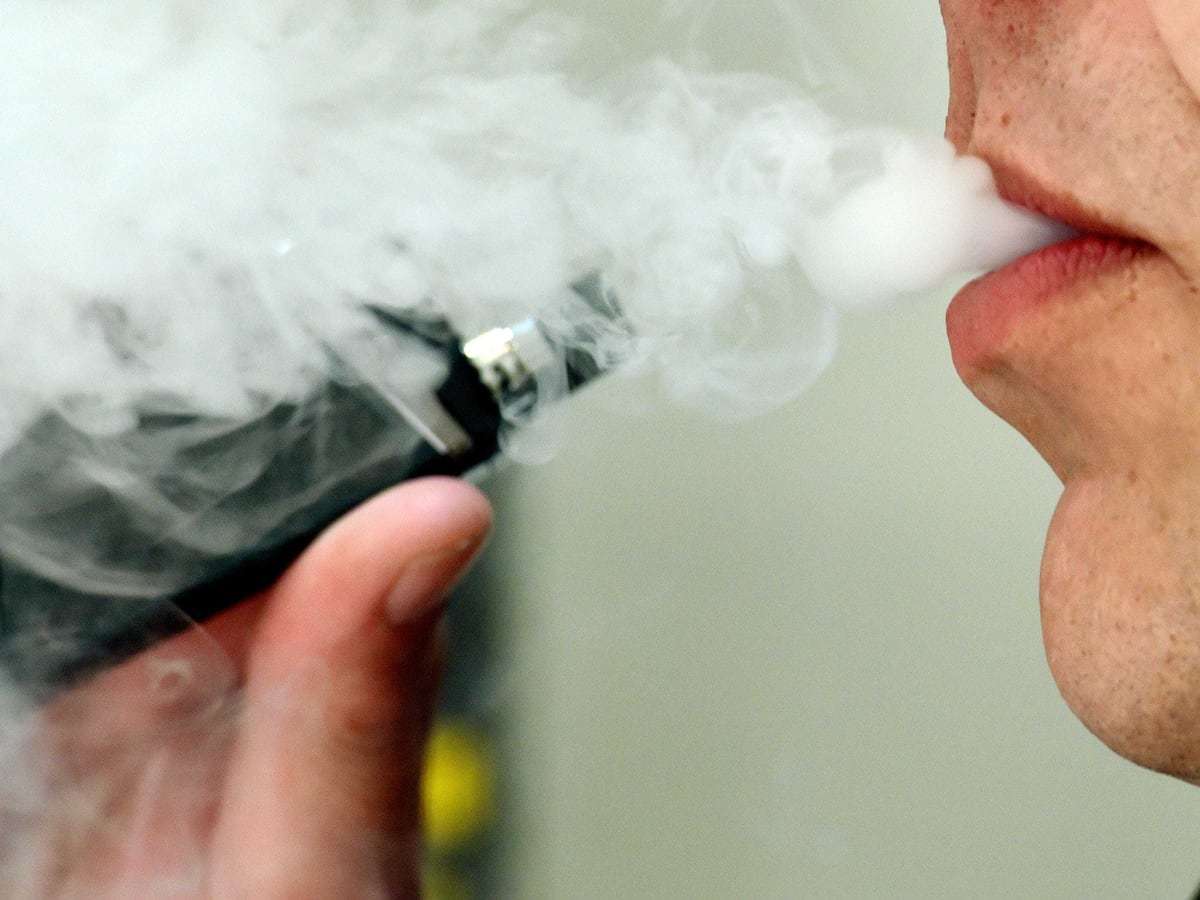
According to a report from the Shropshire Star on August 12th, the use of e-cigarettes among adults in the UK has reached a record high. The latest data shows that 11% of UK adults use e-cigarettes, equating to 5.6 million people.
According to data from Action on Smoking and Health (ASH) in the UK, approximately 53% of e-cigarette users, which is equivalent to 3 million people, were previously traditional cigarette smokers. Currently, the proportion of people who use both traditional cigarettes and e-cigarettes has increased from 17% in 2021 to 32% in 2024, equivalent to 2.2 million people.
Ash's deputy chief executive Hazel Cheeseman said:
Smoking remains the biggest preventable killer in the UK, and e-cigarettes are one of the important tools to help smokers quit in order to achieve a smoke-free nation for both current and future generations.
Professor Sanjay Agrawal, Special Advisor on Tobacco Issues at the Royal College of Physicians and Consultant in Respiratory and Intensive Care Medicine at the University Hospitals of Leicester NHS Trust, added:
In the past few years, almost all of the patients I have encountered who have successfully quit smoking have done so by using e-cigarettes, without which they may have not been able to quit. E-cigarettes have been used by quit smoking services and the NHS to support smokers, but we can still more widely use this tool to help millions of people who are still smoking to quit.
According to reports, in July of this year, the Labour government restarted its plan to introduce the Tobacco and E-Cigarette Bill, which could gradually raise the age limit for purchasing tobacco and prevent anyone born after January 1, 2009 from legally purchasing tobacco. The bill could also impose restrictions on the flavors, packaging, and display of e-cigarettes.
Ms. Chisman emphasized that the proposed e-cigarette legislation should focus on preventing children from using e-cigarettes, rather than adults who are looking to quit smoking. She added:
In recent years, millions of people have successfully quit smoking by using e-cigarettes, extending their healthy lifespan and boosting national productivity. There is an urgent need for stricter regulations on e-cigarettes, but it is important that these regulations target teenage e-cigarette use specifically, without hindering their use as a smoking cessation aid.
Henry Gregg, Director of External Affairs for the British Lung Foundation, said:
Quitting smoking can be very difficult, and it is great to see that many smokers are finding e-cigarettes to be a very effective tool for quitting. However, in order to help more smokers quit, the government must increase investment in local smoking cessation services. In recent years, these services have faced significant cuts, but they have excelled in supporting people to quit smoking permanently and address the deadly consequences of smoking.
According to a survey, half of smokers believe that e-cigarettes are as harmful as traditional cigarettes, and 60% of non-e-cigarette users who smoke also share the same view.
A spokesperson for the UK Department of Health and Social Care stated:
Although e-cigarettes can be an effective tool for quitting smoking, health advice clearly states that non-smoking children and adults should never use e-cigarettes. The upcoming Tobacco and E-Cigarette Act will protect future generations from the harm of tobacco and nicotine, saving thousands of lives. By establishing a healthier society, it will also contribute to building a healthier economy.
We welcome news tips, article submissions, interview requests, or comments on this piece.
Please contact us at info@2firsts.com, or reach out to Alan Zhao, CEO of 2Firsts, on LinkedIn
Notice
1. This article is intended solely for professional research purposes related to industry, technology, and policy. Any references to brands or products are made purely for objective description and do not constitute any form of endorsement, recommendation, or promotion by 2Firsts.
2. The use of nicotine-containing products — including, but not limited to, cigarettes, e-cigarettes, nicotine pouchand heated tobacco products — carries significant health risks. Users are responsible for complying with all applicable laws and regulations in their respective jurisdictions.
3. This article is not intended to serve as the basis for any investment decisions or financial advice. 2Firsts assumes no direct or indirect liability for any inaccuracies or errors in the content.
4. Access to this article is strictly prohibited for individuals below the legal age in their jurisdiction.
Copyright
This article is either an original work created by 2Firsts or a reproduction from third-party sources with proper attribution. All copyrights and usage rights belong to 2Firsts or the original content provider. Unauthorized reproduction, distribution, or any other form of unauthorized use by any individual or organization is strictly prohibited. Violators will be held legally accountable.
For copyright-related inquiries, please contact: info@2firsts.com
AI Assistance Disclaimer
This article may have been enhanced using AI tools to improve translation and editorial efficiency. However, due to technical limitations, inaccuracies may occur. Readers are encouraged to refer to the cited sources for the most accurate information.
We welcome any corrections or feedback. Please contact us at: info@2firsts.com