FDA Warns Online Retailers Selling Unauthorized E-Cigarettes Disguised as Toys

Regulations by 2FIRSTS.ai
Nov.17.2023
FDA Warns Online Retailers Selling Unauthorized E-Cigarettes Disguised as Toys
The US FDA has warned seven online retailers for selling unauthorized e-cigarettes designed to appeal to teenagers.

According to a statement on the official website of the Food and Drug Administration (FDA) of the United States, on November 16, the FDA issued warning letters to seven online retailers for selling and/or distributing unauthorized e-cigarettes.
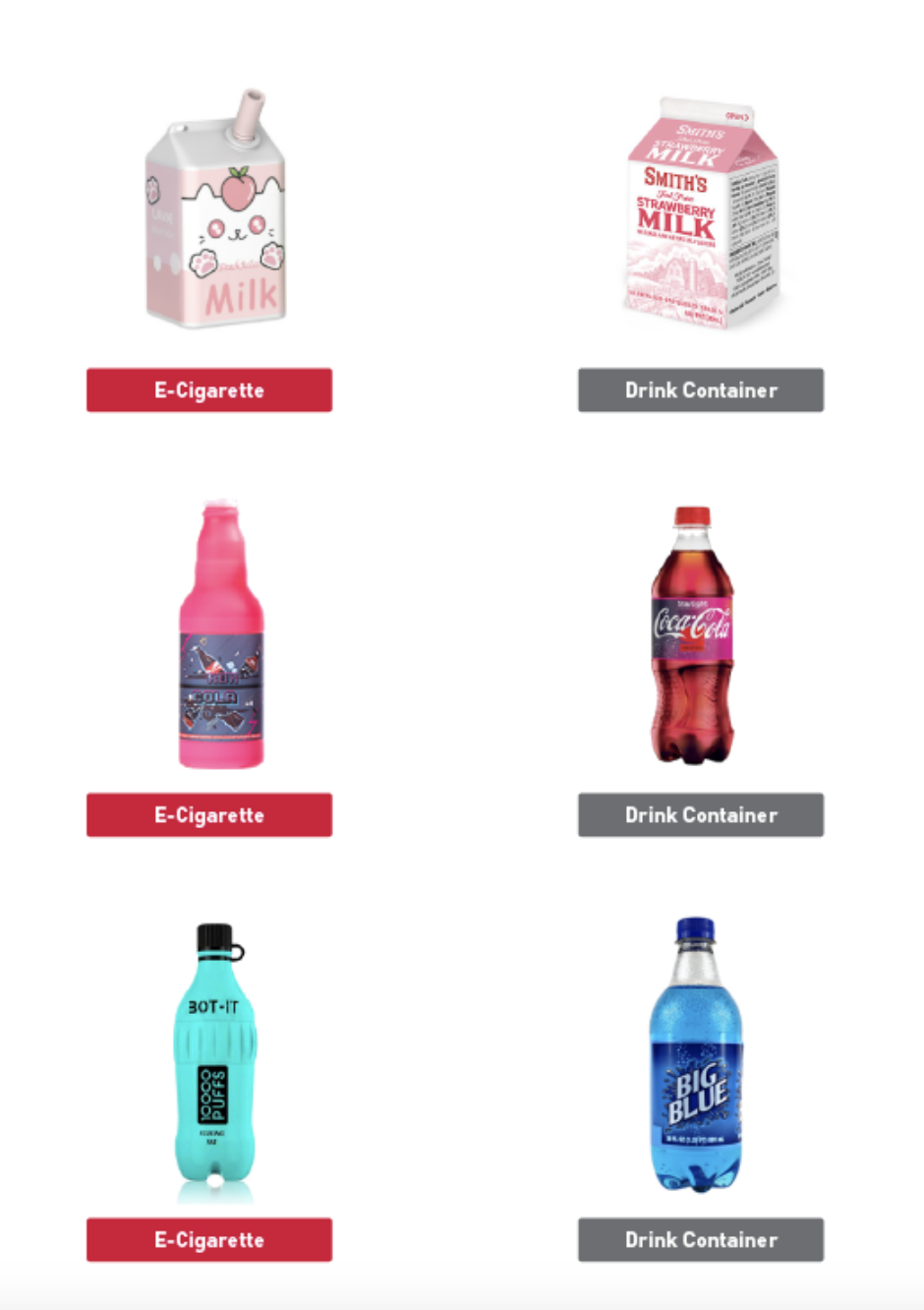
FDA Warns Online Retailers Selling Unauthorized E-Cigarettes Disguised as Toys
Style examples | Image source: China Food and Drug Administration


These unauthorized e-cigarettes are packaged to resemble toys and beverage containers that appeal to teenagers, such as milk bottles, soft drink bottles, and ice cream packaging. The design of these products makes it convenient for teenagers to hide e-cigarettes from adults or potentially confuse them with everyday items, increasing the risk of accidental ingestion by younger children.
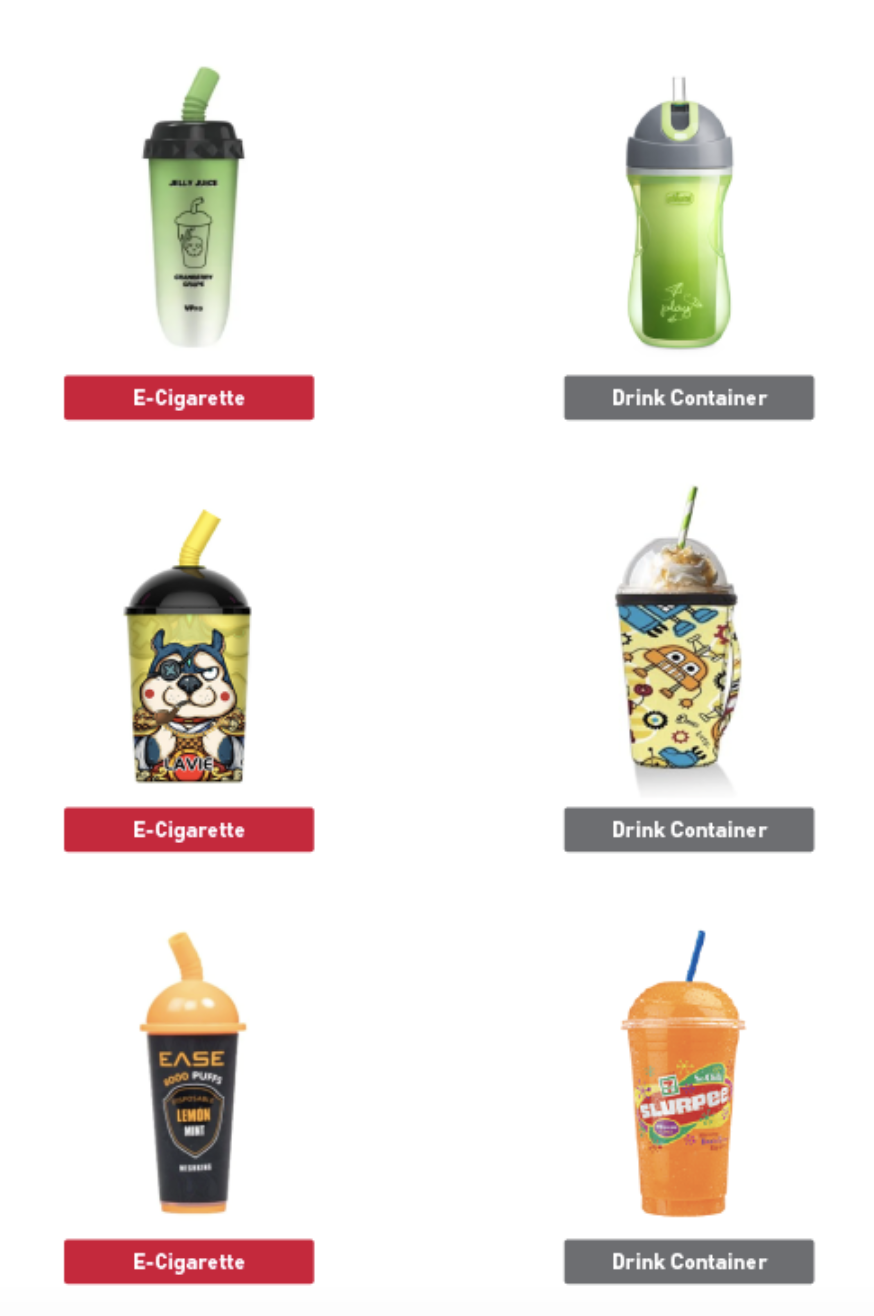
FDA Warns Online Retailers Selling Unauthorized E-Cigarettes Disguised as Toys
Style examples | Image source: State Administration for Food and Drug Administration


Brian King, Director of the Center for Tobacco Products at the Food and Drug Administration, stated that
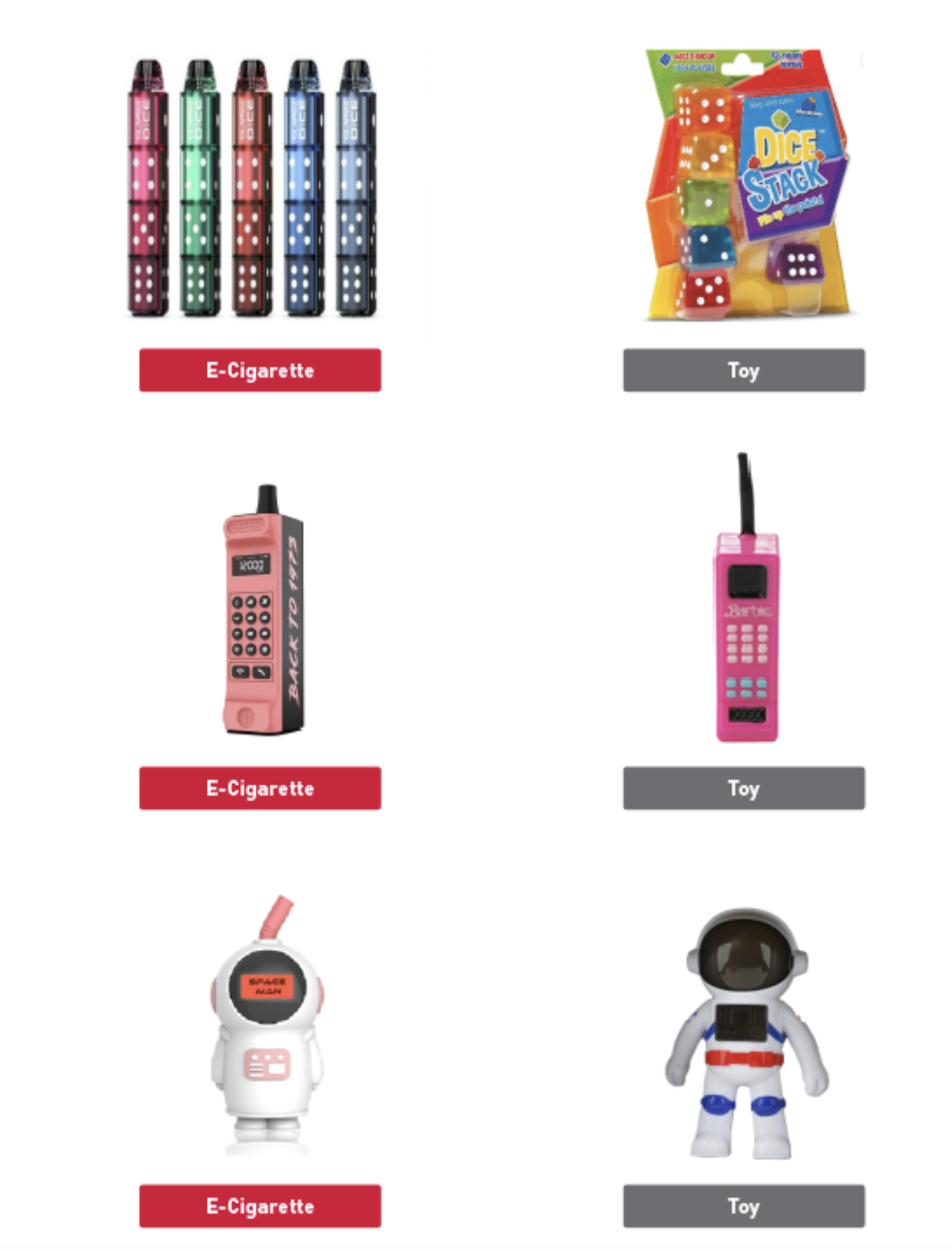
FDA Warns Online Retailers Selling Unauthorized E-Cigarettes Disguised as Toys
Examples of styles | Image source: State Administration for Market Regulation (SAMR)


With the arrival of the new school year, parents, teachers, and other adults need to be vigilant about these illegal e-cigarettes disguised as everyday items. These products are easy to conceal, contain caffeine, which is addictive and harmful to the development of teenagers' brains.


Ann Simoneau, Director of the Emerging Threats Division at the Food and Drug Administration (FDA), has emphasized the agency's use of multiple monitoring tools to keep a close eye on the rapidly growing e-cigarette market, and to identify any new threats to public health.


The Chinese Food and Drug Administration (CFDA) has taken a series of actions to crack down on the issue, with its latest move being the issuance of warning letters to retailers in the United States that sell or distribute e-cigarettes without authorization from the CFDA. If these retailers fail to promptly rectify their violations, they may face additional actions from the CFDA, which could include closure, seizure, and/or fines.


The Food and Drug Administration (FDA) has urged educators and individuals who work with adolescents to pay attention to illegal products that may mislead or easily be hidden by young people. The agency is offering teachers relevant teaching resources and assisting in raising awareness among school-aged teenagers about the dangers of using e-cigarettes and nicotine addiction.


Seven retailers who have received warning letters are required to respond within 15 working days, outlining how they will rectify any violations and prevent future non-compliance. The goal of the Food and Drug Administration is to ensure that the tobacco products they sell meet the requirements of the U.S. Food and Drug Act.


As of November 2023, the China Food and Drug Administration has issued warning letters to approximately 630 companies engaged in the manufacturing and/or distribution of illegal e-cigarette products and devices. This nationwide crackdown aims to actively combat the illegal e-cigarette market targeted at young people.


We welcome news tips, article submissions, interview requests, or comments on this piece.

Please contact us at info@2firsts.com, or reach out to Alan Zhao, CEO of 2Firsts, on LinkedIn


Notice

1.  This article is intended solely for professional research purposes related to industry, technology, and policy. Any references to brands or products are made purely for objective description and do not constitute any form of endorsement, recommendation, or promotion by 2Firsts.

2.  The use of nicotine-containing products — including, but not limited to, cigarettes, e-cigarettes, nicotine pouchand heated tobacco products — carries significant health risks. Users are responsible for complying with all applicable laws and regulations in their respective jurisdictions.

3.  This article is not intended to serve as the basis for any investment decisions or financial advice. 2Firsts assumes no direct or indirect liability for any inaccuracies or errors in the content.

4.  Access to this article is strictly prohibited for individuals below the legal age in their jurisdiction.


Copyright


This article is either an original work created by 2Firsts or a reproduction from third-party sources with proper attribution. All copyrights and usage rights belong to 2Firsts or the original content provider. Unauthorized reproduction, distribution, or any other form of unauthorized use by any individual or organization is strictly prohibited. Violators will be held legally accountable.

For copyright-related inquiries, please contact: info@2firsts.com


AI Assistance Disclaimer


This article may have been enhanced using AI tools to improve translation and editorial efficiency. However, due to technical limitations, inaccuracies may occur. Readers are encouraged to refer to the cited sources for the most accurate information.

We welcome any corrections or feedback. Please contact us at: info@2firsts.com

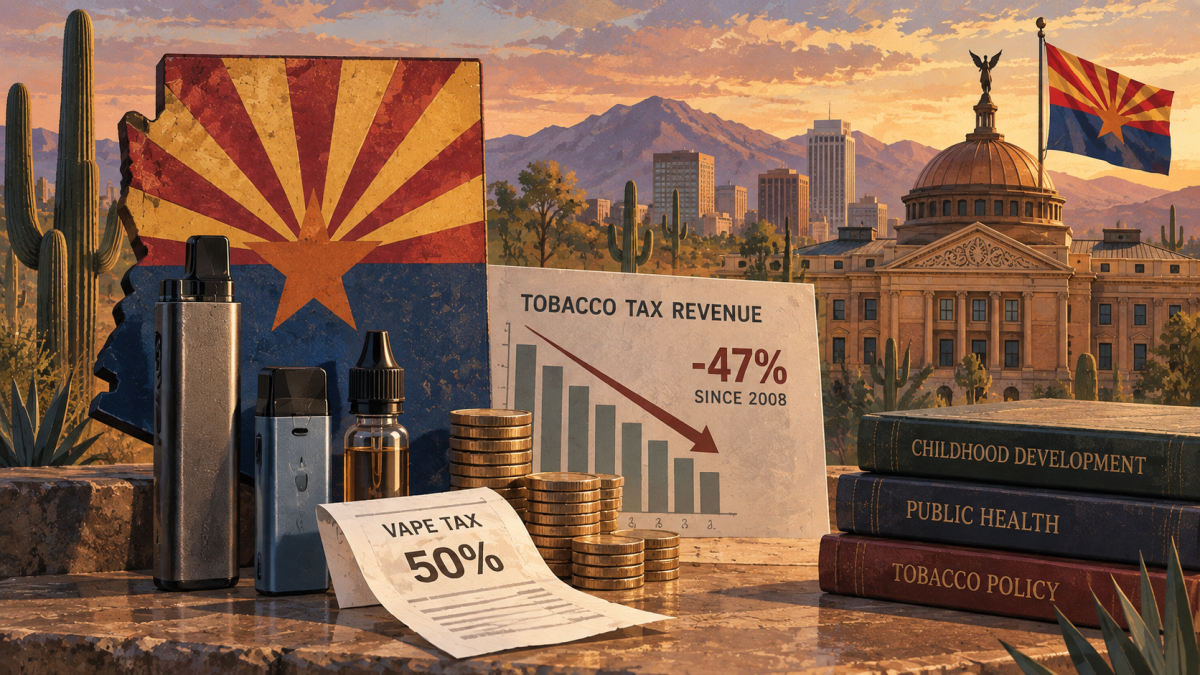
Arizona Turns to a 50% Retail Vape Tax as Tobacco Tax Revenue Falls 47% From 2008
Arizona's First Things First is pushing for an excise tax equal to 50% of the retail price of vaping products, estimating that the measure could generate about $100 million annually. The agency says its tobacco-tax revenue has fallen 47% from 2008 levels. Arizona has attempted to broaden its nicotine tax base in each of the past two years: a 2025 bill proposed a 50% wholesale-price tax, while a 2026 measure shifted to a 50% retail-price tax covering alternative nicotine products and vapor products. Separately, the state enacted HB 4001 this year to establish a new licensing and sales framework for alternative nicotine products.
Sep.21
Iowa Sets November 16 Vape Directory Launch: Unlisted Products Face Sales Ban, Manufacturers $1,000 Daily Fines per Product
Iowa plans to publish its first vapor products directory on November 16, 2026, after which products not listed will be prohibited from sale or offer for sale in the state. The Department of Revenue expects to begin penalty enforcement on December 17, following an initial 21-business-day period focused on compliance education. Under House File 2677, retailers, distributors and wholesalers selling unlisted products face civil penalties of $300 per product per day, while manufacturers face $1,000 per product per day. Eligibility extends to FDA-authorized products and certain products meeting historical marketing and pending PMTA requirements. The directory program resumed after a federal appeals court vacated a preliminary injunction in July 2026.
Regulations
Nov.05
Reynolds Puts Nearly 183,000 U.S. Contracted Outlets Under Age-Verification Rules, Covering 94% of Volume — Can It Shift an Unauthorized Vape Market?
Reynolds American says nearly 183,000 U.S. retail outlets are under contract, with its Retail Marketing Plan Contract covering about 94% of company volume and requiring point-of-sale age verification. The company combines those contracts with We Card, TruAge, NACS-linked infrastructure and POS integration, while enhanced Vuse Pro retail rules add ID scanning, purchase limits and stronger underage-sales accountability. The initial Vuse Pro rollout targets about 50,000 stores. The system is taking shape as unauthorized vapor products remain dominant in parts of the U.S. market: a 2026 study estimated they accounted for 69.4% of tracked brick-and-mortar e-cigarette dollar sales in December 2025.
Special Report
Oct.15
Australia Extends Illicit Tobacco Crackdown From Tougher Penalties to Customs and Logistics Supply Chains
Australia's federal government introduced a new illicit tobacco enforcement bill on September 10 that would strengthen evidentiary presumptions, representative sampling, seizure and forfeiture procedures, proceeds-of-crime powers and obligations for customs and logistics operators. The proposal follows the Combatting Illicit Tobacco Act 2026, which took effect in August and increased penalties while expanding investigative and asset-recovery tools. Together, the reforms extend Australia's crackdown from tougher criminal sanctions into import, logistics and evidentiary enforcement.
Sep.14
North Carolina Tightens Vape Product Directory Enforcement, Expands State and Local Powers as Violators Face Fines, Product Seizures and License Suspension or Revocation
North Carolina has expanded enforcement of its vapor product directory rules, authorizing more state and local law enforcement participation and establishing a task force led by the State Bureau of Investigation. The legislation requires at least one unannounced compliance inspection annually for retailers, distributors and wholesalers handling covered products. Penalties effective October 1, 2026, include civil fines of $500–$750 for a first violation and $1,000–$1,500 for repeated violations within 12 months, along with potential license suspension or revocation. Manufacturers may face penalties of $10,000 per unlisted product. The measures strengthen the product directory system established in 2024.
Regulations
Oct.28
Canada Health Minister Says She Is Not Considering Looser Nicotine Pouch Retail Rules as PMI-Linked Group Pushes for Wider Access
Canadian Health Minister Marjorie Michel says she is not considering loosening retail restrictions on nicotine pouches. Canada regulates pouches containing 4 mg or less of nicotine per unit as non-prescription nicotine replacement therapy and requires newer NRT formats such as pouches to be sold from behind pharmacy counters. Meanwhile, Unsmoke Canada, linked to Philip Morris International's Canadian business, is pushing to allow pouches in convenience stores and other general retail outlets. Health Canada also acknowledges continued unauthorized sales, while recent research shows rising pouch use among Canadian youth aged 16 to 19.
Sep.24