Illegal and Counterfeit Tobacco Products Seized in Peterborough Raid

Regulations by 2FIRSTS.ai
Feb.29.2024
Illegal and Counterfeit Tobacco Products Seized in Peterborough Raid
Thousands of suspected illegal and counterfeit tobacco products seized in Peterborough by joint police and council operation.

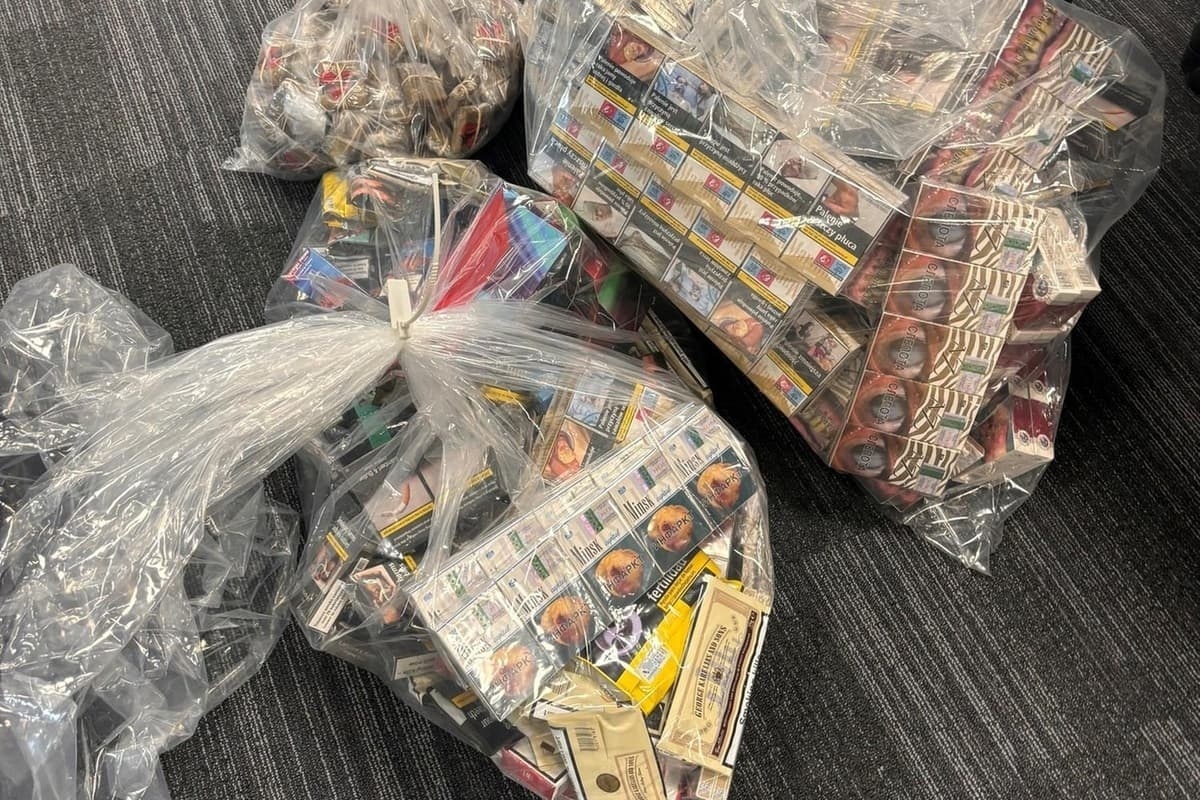
According to a recent report from the Peterborough Telegraph, thousands of suspected illegal and counterfeit tobacco products have been seized in a store and residential property in Peterborough, England.


According to a spokesperson for the Cambridgeshire Police, "Our East Community Team and Modern Slavery Team, in conjunction with Peterborough City Council's Trading Standards, Environmental Health and Housing Standards departments, visited shops and residences on Lincoln Road. Thousands of illegal and counterfeit tobacco products, including e-cigarettes and tobacco products, were seized. The Trading Standards department will continue with the investigation."


According to records, a total of nearly 11,000 illegal and counterfeit tobacco products were seized. The Peterborough City Council departments, which maintained close cooperation during the operation, will also continue to jointly conduct this enforcement investigation.


The Cambridge police department is advising the public that buying and using counterfeit tobacco is harmful to health and can also have negative effects on the legitimate market. They are committed to cracking down on illegal tobacco sales.


We welcome news tips, article submissions, interview requests, or comments on this piece.

Please contact us at info@2firsts.com, or reach out to Alan Zhao, CEO of 2Firsts, on LinkedIn


Notice

1.  This article is intended solely for professional research purposes related to industry, technology, and policy. Any references to brands or products are made purely for objective description and do not constitute any form of endorsement, recommendation, or promotion by 2Firsts.

2.  The use of nicotine-containing products — including, but not limited to, cigarettes, e-cigarettes, nicotine pouchand heated tobacco products — carries significant health risks. Users are responsible for complying with all applicable laws and regulations in their respective jurisdictions.

3.  This article is not intended to serve as the basis for any investment decisions or financial advice. 2Firsts assumes no direct or indirect liability for any inaccuracies or errors in the content.

4.  Access to this article is strictly prohibited for individuals below the legal age in their jurisdiction.


Copyright


This article is either an original work created by 2Firsts or a reproduction from third-party sources with proper attribution. All copyrights and usage rights belong to 2Firsts or the original content provider. Unauthorized reproduction, distribution, or any other form of unauthorized use by any individual or organization is strictly prohibited. Violators will be held legally accountable.

For copyright-related inquiries, please contact: info@2firsts.com


AI Assistance Disclaimer


This article may have been enhanced using AI tools to improve translation and editorial efficiency. However, due to technical limitations, inaccuracies may occur. Readers are encouraged to refer to the cited sources for the most accurate information.

We welcome any corrections or feedback. Please contact us at: info@2firsts.com

New York Proposal to Tax Nicotine Pouches at 75% Draws Opposition
A proposal by New York Governor Kathy Hochul to impose a steep tax on nicotine pouches has drawn opposition from law-enforcement officials and business groups, who say it could expand the state’s illicit tobacco market. The measure was included in Hochul’s preliminary two-year USD 260 billion budget plan and would treat nicotine pouches like other tobacco products.
Mar.17 by 2FIRSTS.ai
Oregon Senate Passes Bill to Regulate Nicotine Pouches as Tobacco Products
The Oregon Senate voted 26–1 to pass Senate Bill 1571, a measure redefining tobacco products to include nicotine pouches and restricting their sale to individuals under 21.
Regulations
Feb.23
Russia May Allow Regions to Introduce Experimental Vape Sales Bans
Russia’s government commission on legislative activity has approved second-reading amendments to a bill on licensing trade in tobacco and nicotine-containing products that would allow Russian regions to introduce experimental bans on vape sales.
Mar.31 by 2FIRSTS.ai
Aurora advances retail tobacco licensing ordinance to curb under-21 access to vapes and tobacco
The Denver Post reported that Aurora’s City Council unanimously approved a retail tobacco licensure ordinance on first reading Monday night to reduce underage access to tobacco products, including e-cigarettes and vaping cartridges. The ordinance would stiffen fines for businesses that sell to people under 21 and tighten rules on where tobacco retailers can locate in the city.
Feb.26 by 2FIRSTS.ai
KT&G Aims to Accelerate Launch of New Heated Tobacco Innovation Platform
KT&G Chief Executive Officer Bang Kyung-man said at the annual shareholders meeting on March 26 that although the company expects a challenging environment marked by stronger protectionism and a high exchange rate, it will continue on a stable growth path through strategic choice and focus.
Mar.26 by 2FIRSTS.ai
FDA Details Carcinogenicity Tiering and ELCR Framework as Small Manufacturers Press for Predictability
During the “Toxicological Profile” session at FDA’s Feb 10 PMTA roundtable, officials outlined the carcinogenicity tiering system and Excess Lifetime Cancer Risk (ELCR) framework used in ENDS reviews under the APPH standard. Small manufacturers questioned database transparency, exposure assumptions, and the existence of clear compliance benchmarks. FDA reiterated toxicological risk is assessed case by case within a broader population-level determination.
Feb.11