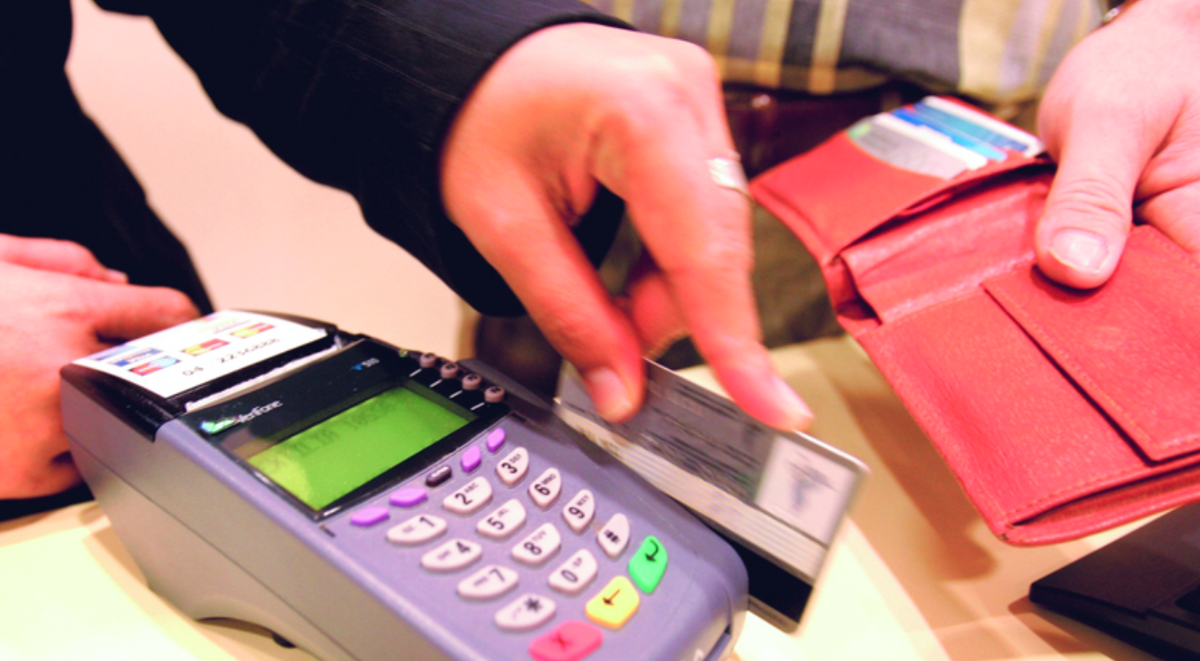
According to Emaratalyoum on October 14th, banks issuing credit cards permitted by Islamic law have for the first time prohibited the use of their credit and debit cards in stores selling "hookah" and e-cigarettes. Customers holding these cards have confirmed that all these stores no longer accept payments with cards from the relevant banks, and any attempts to use such cards at these places will be refused.
Financial expert Amjad Nasser points out that Islamic banks use specific codes provided by Visa and MasterCard to classify the nature of merchants, in order to comply with legal requirements. These merchants are categorized as engaging in activities that do not align with Islamic law. Therefore, at these establishments, Islamic bank cards cannot be used for direct debit or credit payments.
He added that the Islamic bank's card system is programmed to reject transactions from such stores. This rule is stated in the terms and conditions of all categories of Islamic bank cards.
Nassir continued to explain that sometimes transactions may be conducted on these cards, but all transactions are monitored and reviewed for compliance with regulations by religious institutions or central banks. If any violations are found, the bank will be required to cease such illegal transactions and strictly adhere to established operating procedures.
He also mentioned that it is expected that all Islamic banks in the country will implement this policy. Despite some religious institutions in other countries believing that credit cards are the "personal property" of the cardholder, allowing them to freely use and bear the consequences, in the UAE, religious institutions have unanimously agreed not to allow the use of cards issued by Islamic banks to purchase goods that do not adhere to religious law.
We welcome news tips, article submissions, interview requests, or comments on this piece.
Please contact us at info@2firsts.com, or reach out to Alan Zhao, CEO of 2Firsts, on LinkedIn
Notice
1. This article is intended solely for professional research purposes related to industry, technology, and policy. Any references to brands or products are made purely for objective description and do not constitute any form of endorsement, recommendation, or promotion by 2Firsts.
2. The use of nicotine-containing products — including, but not limited to, cigarettes, e-cigarettes, nicotine pouchand heated tobacco products — carries significant health risks. Users are responsible for complying with all applicable laws and regulations in their respective jurisdictions.
3. This article is not intended to serve as the basis for any investment decisions or financial advice. 2Firsts assumes no direct or indirect liability for any inaccuracies or errors in the content.
4. Access to this article is strictly prohibited for individuals below the legal age in their jurisdiction.
Copyright
This article is either an original work created by 2Firsts or a reproduction from third-party sources with proper attribution. All copyrights and usage rights belong to 2Firsts or the original content provider. Unauthorized reproduction, distribution, or any other form of unauthorized use by any individual or organization is strictly prohibited. Violators will be held legally accountable.
For copyright-related inquiries, please contact: info@2firsts.com
AI Assistance Disclaimer
This article may have been enhanced using AI tools to improve translation and editorial efficiency. However, due to technical limitations, inaccuracies may occur. Readers are encouraged to refer to the cited sources for the most accurate information.
We welcome any corrections or feedback. Please contact us at: info@2firsts.com