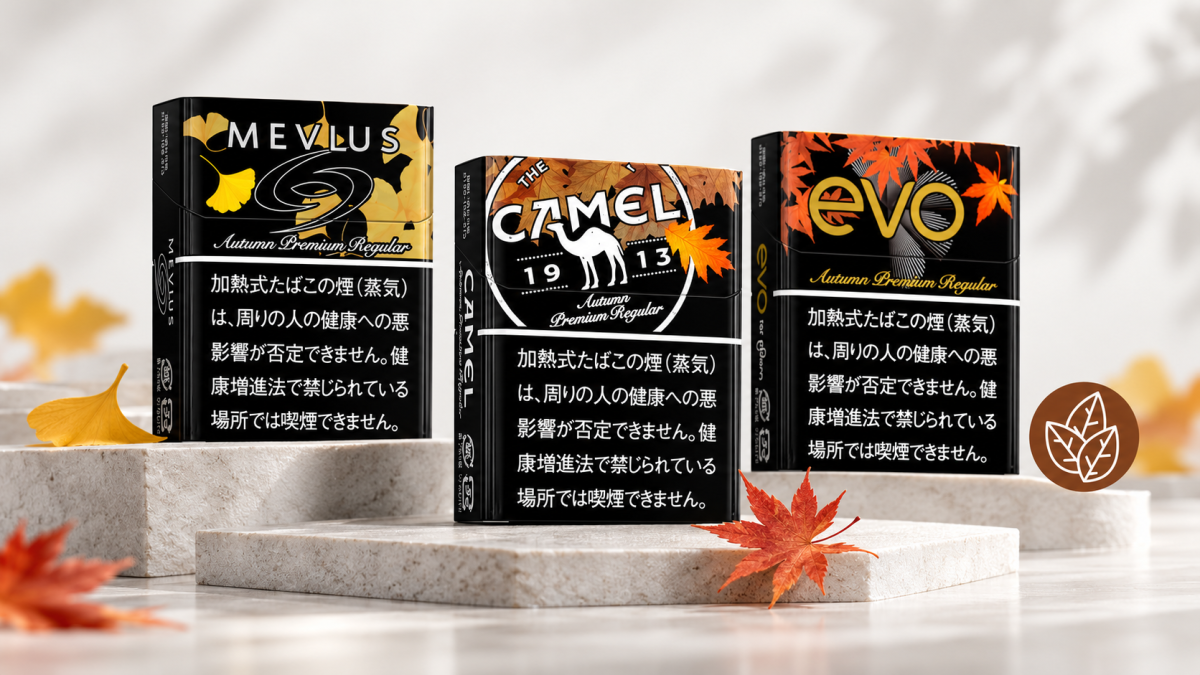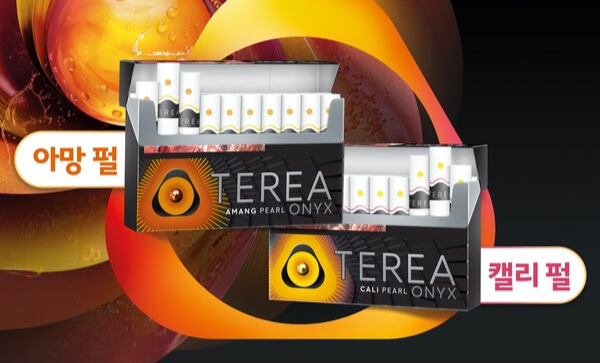
The JTI Group has reported a net income of JPY 1.27 trillion (USD 9.5 billion) for the second quarter of 2022, reflecting a year-on-year growth of 10.7% compared to 2021. When calculated at a fixed exchange rate, the income growth reached 3.7%, which totaled JPY 1.14 trillion. The adjusted operating profit increased by 8% at a fixed currency rate, reaching JPY 338.77 billion. The profit also increased by 17.3% to JPY 264.1 billion.
There is no context or information provided to translate into standard journalistic English. Please provide more details or a sentence for context.
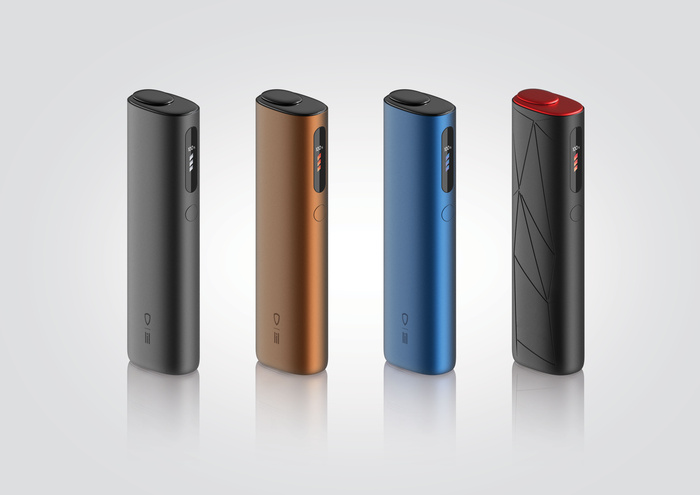
Masamichi Terabatake, President and CEO of JTI Group, announced that the company's performance in the first half of the year was strong, largely driven by advantageous product pricing. He also expressed encouragement with the performance of Ploom X and stated that the company will take advantage of Japan's expertise to guide the international release of the product in the second half of this year.
As a result of favorable fluctuations in the Chinese yuan against the Japanese yen, we have revised upwards our adjusted operating profit and profit forecasts for full-year 2022. However, taking into account the higher input costs that are affecting our supply chain operations, the constant currency-adjusted operating profit is down. The guidance for full-year dividend per share remains unchanged at 150 yen per share. The interim dividend is 75 yen per share.
Regarding Russia, despite continuing to manufacture and distribute our products in compliance with national and international sanctions, the operating environment is becoming increasingly complex. In this context, the JTI group continues to evaluate various options for its Russian business, including the possibility of transferring ownership, and will make necessary decisions in accordance with the group's management principles to address the constantly changing situation.
Please provide the text that needs to be translated.
Disclaimer
This article is provided solely for professional research, industry discussion, and informational purposes. Any references to brands, companies, products, technologies, or policies are made for factual reporting and analytical purposes only, and do not constitute endorsement, recommendation, promotion, or advertising by 2Firsts.
Nicotine-containing products, including but not limited to cigarettes, e-cigarettes, heated tobacco products, and nicotine pouches, carry significant health risks. Readers are responsible for complying with all applicable laws and regulations in their respective jurisdictions, including age restrictions and access limitations.
The information contained in this article should not be regarded as investment, legal, medical, regulatory, or commercial advice. While 2Firsts strives to ensure the accuracy and reliability of its content, it does not assume liability for any direct or indirect loss arising from errors, omissions, inaccuracies, or reliance on the information contained herein.
This article is not intended for individuals below the legal age for accessing tobacco or nicotine-related information in their jurisdiction.
Copyright Notice
This article is either original content produced by 2Firsts or content reproduced, translated, summarized, or adapted from third-party sources with attribution where applicable. The intellectual property rights of the original content remain with 2Firsts or the respective original rights holders.
No individual or organization may copy, reproduce, distribute, republish, modify, translate, or otherwise use this content without prior authorization. Any unauthorized use may result in legal action.
For copyright-related inquiries, corrections, or removal requests, please contact: info@2firsts.com.
AI-Assisted Translation and Editing Notice
Portions of this article may have been translated, edited, or reviewed with the assistance of artificial intelligence tools to improve efficiency and readability. Due to the limitations of AI-assisted translation and editing, discrepancies, omissions, or inaccuracies may exist when compared with the original source.
Where applicable, readers are advised to refer to the original source for the most complete and accurate information. If you identify any errors or believe that any content infringes upon your rights, please contact us at info@2firsts.com, and we will review and address the matter promptly.