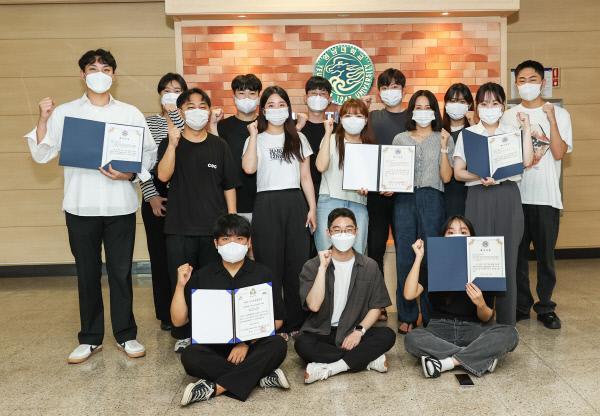
Students from the Department of Materials Science and Engineering at Korea's Yeungnam University swept various awards at this year's academic conference, gaining recognition from the public for their research abilities.
At the 2022 Korea Electrical and Electronic Materials Society Summer Conference held at the Alpensia Convention Center in Pyeongchang, South Korea, graduate and undergraduate students from the University of Yeungnam were awarded a total of four prizes.
At the conference, 1400 researchers from universities and research institutions within South Korea presented 630 of their newest research findings.
During the event, the graduate school of materials science and engineering at Lingnan University (4th master's program) was awarded the first prize. Additionally, 12 undergraduate students from the Department of Materials Science and a student from the Department of Engineering jointly released their research results and won big awards in the undergraduate competition.
A research team of undergraduate students announced a breakthrough in the design and optimization of an energy collection device, which utilizes the surrounding waste magnetic field to generate power. The device has received recognition for its innovative approach. Particularly noteworthy is the fact that this team of students won a prestigious award for their research, which focused on using a combination of friction and piezoelectric effects to collect mixed energy. This particular project was completed as the culmination of a high-level design course taken by the students in the previous semester.
At a poster exhibition, Ji-won Ye, a graduate student from the first master's program, won a major award for proposing a research direction suitable for flexible energy storage devices. By studying the electrical performance of ceramic thin films on substrates through photothermal treatment, Ye was able to improve their electrical properties.
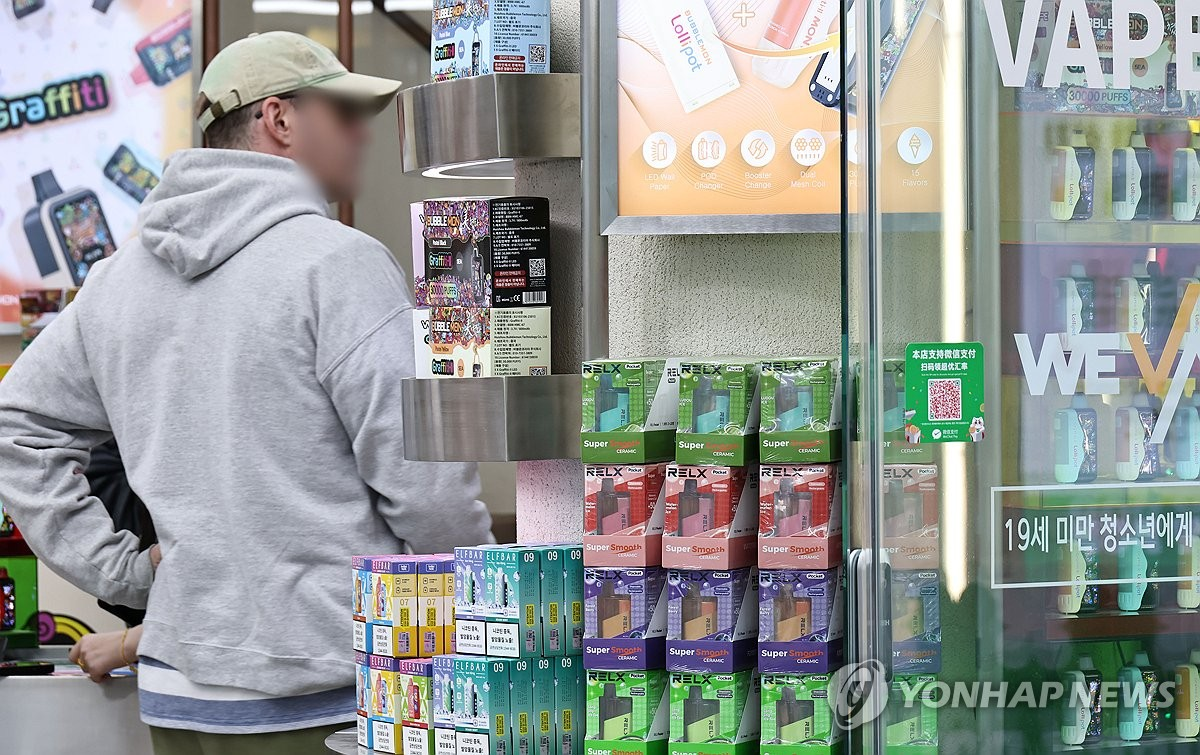
A group of five undergraduate and graduate students, including Ho-young Lee, a fourth-year undergraduate, have developed a ceramic heater to improve the lifespan and safety of existing electronic cigarette heaters. This invention is suitable for small electronic devices and has won significant recognition and awards.
In addition, at the 2022 Engineering Ceramics Seminar held at the Xin'an Beach Hotel from June 30th to July 1st, Jiang Minzhi, a graduate student from the YU School of Materials Science and Engineering (enrolled in the 3rd master's program), and Sang-min Lee, a fourth-year undergraduate student, respectively received the Best Poster Award.
Their research has been evaluated as beneficial for the localization of aluminum oxide for use in the semiconductor and display industries, thereby reducing dependence on imported materials.
Statement
This article is compiled from third-party information and is only for industry communication and learning.
This article does not represent the views of 2FIRSTS, and 2FIRSTS is unable to confirm the authenticity and accuracy of the article content. The translation of this article is intended for internal industry research and communication only.
Due to limitations in the translation process, the translated article may not fully reflect the original text. Therefore, the original text should be considered as the authoritative version.
2FIRSTS maintains complete alignment with the Chinese government regarding any domestic, Hong Kong, Macau, Taiwan, and foreign-related statements and positions.
The copyright of compiled information belongs to the original media and authors. If there is any infringement, please contact us for deletion.
Disclaimer
This article is provided solely for professional research, industry discussion, and informational purposes. Any references to brands, companies, products, technologies, or policies are made for factual reporting and analytical purposes only, and do not constitute endorsement, recommendation, promotion, or advertising by 2Firsts.
Nicotine-containing products, including but not limited to cigarettes, e-cigarettes, heated tobacco products, and nicotine pouches, carry significant health risks. Readers are responsible for complying with all applicable laws and regulations in their respective jurisdictions, including age restrictions and access limitations.
The information contained in this article should not be regarded as investment, legal, medical, regulatory, or commercial advice. While 2Firsts strives to ensure the accuracy and reliability of its content, it does not assume liability for any direct or indirect loss arising from errors, omissions, inaccuracies, or reliance on the information contained herein.
This article is not intended for individuals below the legal age for accessing tobacco or nicotine-related information in their jurisdiction.
Copyright Notice
This article is either original content produced by 2Firsts or content reproduced, translated, summarized, or adapted from third-party sources with attribution where applicable. The intellectual property rights of the original content remain with 2Firsts or the respective original rights holders.
No individual or organization may copy, reproduce, distribute, republish, modify, translate, or otherwise use this content without prior authorization. Any unauthorized use may result in legal action.
For copyright-related inquiries, corrections, or removal requests, please contact: info@2firsts.com.
AI-Assisted Translation and Editing Notice
Portions of this article may have been translated, edited, or reviewed with the assistance of artificial intelligence tools to improve efficiency and readability. Due to the limitations of AI-assisted translation and editing, discrepancies, omissions, or inaccuracies may exist when compared with the original source.
Where applicable, readers are advised to refer to the original source for the most complete and accurate information. If you identify any errors or believe that any content infringes upon your rights, please contact us at info@2firsts.com, and we will review and address the matter promptly.