According to a report by South Korean media outlet View.Nate on May 9, the South Korean company KT&G plans to enter the Central and South American market for its e-cigarette product "lil" through a partnership with Philip Morris International.
PMI will actively sell KT&G's e-cigarette products and will sell its "lil" product globally outside of South Korea.
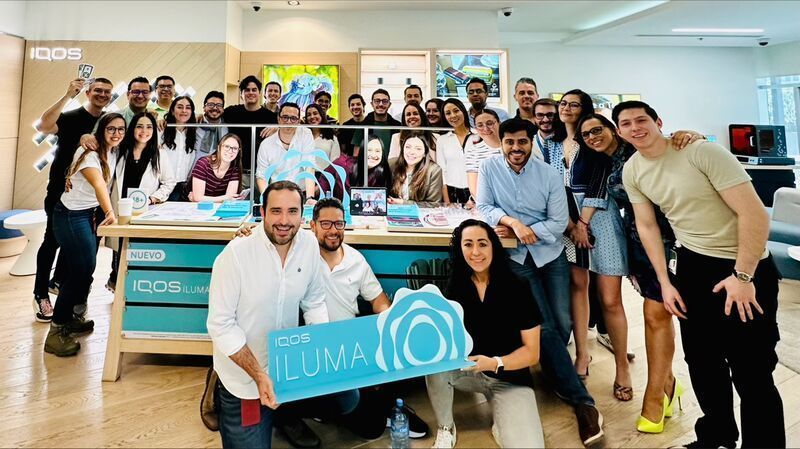
According to reports, on the 2nd day, PMI successfully launched its new e-cigarette "IQOS Iluma" in Mexico. Following the new product launch in Mexico, PMI plans to introduce IQOS in Brazil. The company submitted an approval application for IQOS products to Brazil in March last year, aiming to further promote its non-combustible products in the Central and South American markets.
Thanks to the diversity in the non-combustible product market in Central and South America, this has also driven the demand for PMI's KT & Ge-cigarette product "lil".
Jorge Calleja, Marketing Director of PMI Mexico, stated, "After 5 months of preparation, we have finally launched 'IQOS Iluma' in the Mexican market. This is an important milestone in our push for smoke-free products in Mexico."
In January 2023, KT&G and PMI signed a new long-term contract for the international marketing of "lil," agreeing to a 15-year agreement that will last until 2038. PMI has promised to sell at least 16 billion units of KT&G e-cigarette products over the next year.
We welcome news tips, article submissions, interview requests, or comments on this piece.
Please contact us at info@2firsts.com, or reach out to Alan Zhao, CEO of 2Firsts, on LinkedIn
Notice
1. This article is intended solely for professional research purposes related to industry, technology, and policy. Any references to brands or products are made purely for objective description and do not constitute any form of endorsement, recommendation, or promotion by 2Firsts.
2. The use of nicotine-containing products — including, but not limited to, cigarettes, e-cigarettes, nicotine pouchand heated tobacco products — carries significant health risks. Users are responsible for complying with all applicable laws and regulations in their respective jurisdictions.
3. This article is not intended to serve as the basis for any investment decisions or financial advice. 2Firsts assumes no direct or indirect liability for any inaccuracies or errors in the content.
4. Access to this article is strictly prohibited for individuals below the legal age in their jurisdiction.
Copyright
This article is either an original work created by 2Firsts or a reproduction from third-party sources with proper attribution. All copyrights and usage rights belong to 2Firsts or the original content provider. Unauthorized reproduction, distribution, or any other form of unauthorized use by any individual or organization is strictly prohibited. Violators will be held legally accountable.
For copyright-related inquiries, please contact: info@2firsts.com
AI Assistance Disclaimer
This article may have been enhanced using AI tools to improve translation and editorial efficiency. However, due to technical limitations, inaccuracies may occur. Readers are encouraged to refer to the cited sources for the most accurate information.
We welcome any corrections or feedback. Please contact us at: info@2firsts.com