Plane Explosion at Iraclioun Airport Caught Authority's Attention

Sep.18.2024
Plane Explosion at Iraclioun Airport Caught Authority's Attention
A plane bound for the UK exploded at Iliorion Airport in Iraq, believed to be caused by electronic devices.

According to Phile News on September 18, authorities were alerted when a plane planning to fly to the UK experienced an explosion at the Eiraklion Airport.


The explosion occurred shortly before the plane was scheduled to take off. Preliminary reports indicate that the explosion was caused by electronic devices, specifically a power bank and an e-cigarette in a passenger's bag on their seat.


This aircraft was carrying a total of 236 passengers and did not continue to its destination after the incident occurred. Fortunately, there were no reports of any injuries in the incident.


Airline companies and relevant departments are cooperating to investigate the exact cause of the explosion, authorities are looking into whether the equipment was mistakenly activated, leading to the explosion.


The authorities stated that their focus will be on informing passengers about the rules for transporting electronic devices and the preventative measures that should be taken to avoid similar incidents in the future.


We welcome news tips, article submissions, interview requests, or comments on this piece.

Please contact us at info@2firsts.com, or reach out to Alan Zhao, CEO of 2Firsts, on LinkedIn


Notice

1.  This article is intended solely for professional research purposes related to industry, technology, and policy. Any references to brands or products are made purely for objective description and do not constitute any form of endorsement, recommendation, or promotion by 2Firsts.

2.  The use of nicotine-containing products — including, but not limited to, cigarettes, e-cigarettes, nicotine pouchand heated tobacco products — carries significant health risks. Users are responsible for complying with all applicable laws and regulations in their respective jurisdictions.

3.  This article is not intended to serve as the basis for any investment decisions or financial advice. 2Firsts assumes no direct or indirect liability for any inaccuracies or errors in the content.

4.  Access to this article is strictly prohibited for individuals below the legal age in their jurisdiction.


Copyright


This article is either an original work created by 2Firsts or a reproduction from third-party sources with proper attribution. All copyrights and usage rights belong to 2Firsts or the original content provider. Unauthorized reproduction, distribution, or any other form of unauthorized use by any individual or organization is strictly prohibited. Violators will be held legally accountable.

For copyright-related inquiries, please contact: info@2firsts.com


AI Assistance Disclaimer


This article may have been enhanced using AI tools to improve translation and editorial efficiency. However, due to technical limitations, inaccuracies may occur. Readers are encouraged to refer to the cited sources for the most accurate information.

We welcome any corrections or feedback. Please contact us at: info@2firsts.com

South Korea Extends Vape Rules to Unmanned Stores After Bringing Synthetic Nicotine Under Tobacco Law
South Korea's Ministry of Gender Equality and Family said on September 14 that it plans to designate unmanned e-cigarette stores as businesses where minors are prohibited from entering or working. Operators would be required to verify customers' ages and display notices restricting access by minors. The proposal is open for public comment through October 6. The move follows an April expansion of South Korea's statutory tobacco definition that brought products made with natural or synthetic nicotine under the Tobacco Business Act. Nicotine-free liquids and products using nicotine analogues such as 6-methylnicotine, however, remain an emerging regulatory issue.
Sep.21
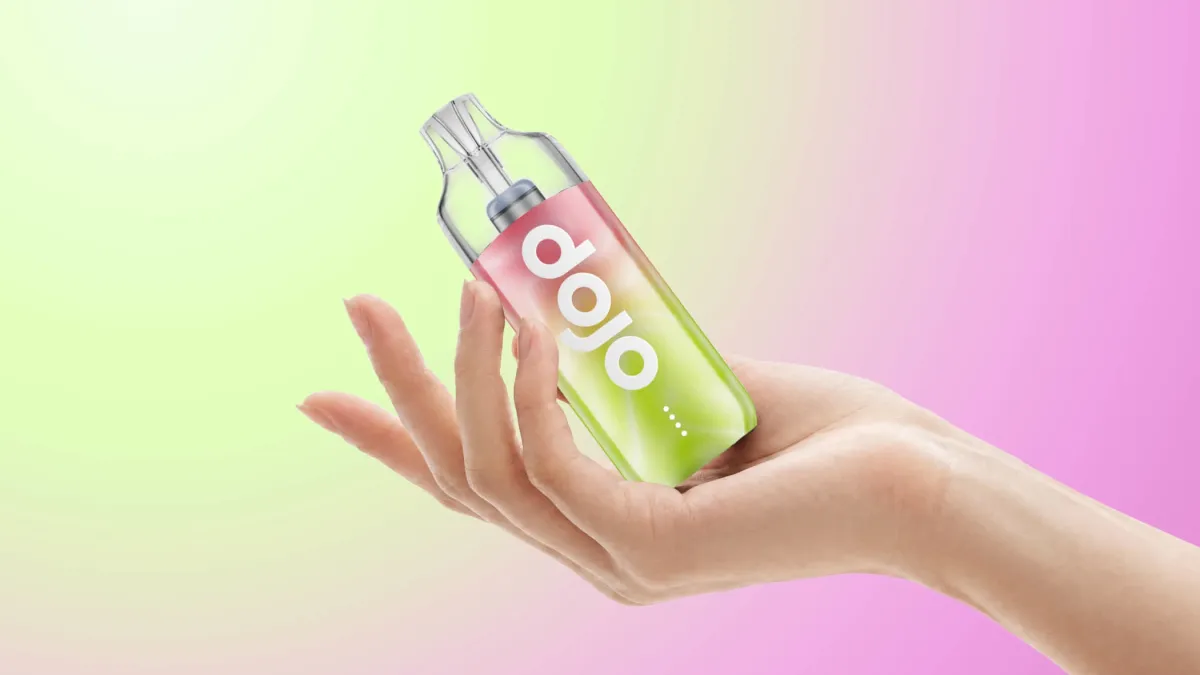
Product | DOJO Launches BLAST10K Fresh in UK With 0+10ml E-Liquid Structure, Retaining 2+8ml Pod Compatibility
DOJO launched the BLAST10K Fresh in the UK on September 4, 2026, introducing its INSTA-JUICED™ technology and a new 0+10ml structure that keeps e-liquid separated from the coil before activation. The device features a 1000mAh rechargeable battery, COREX BLAST dual-mesh technology and SSS leak-resistant technology, with a manufacturer-rated capacity of up to 10,000 puffs. It also retains compatibility with existing 2+8ml pods across the BLAST ecosystem. The launch introduces eight new flavors, including Matcha Strawberry, which DOJO describes as an industry first.
Market
Sep.04
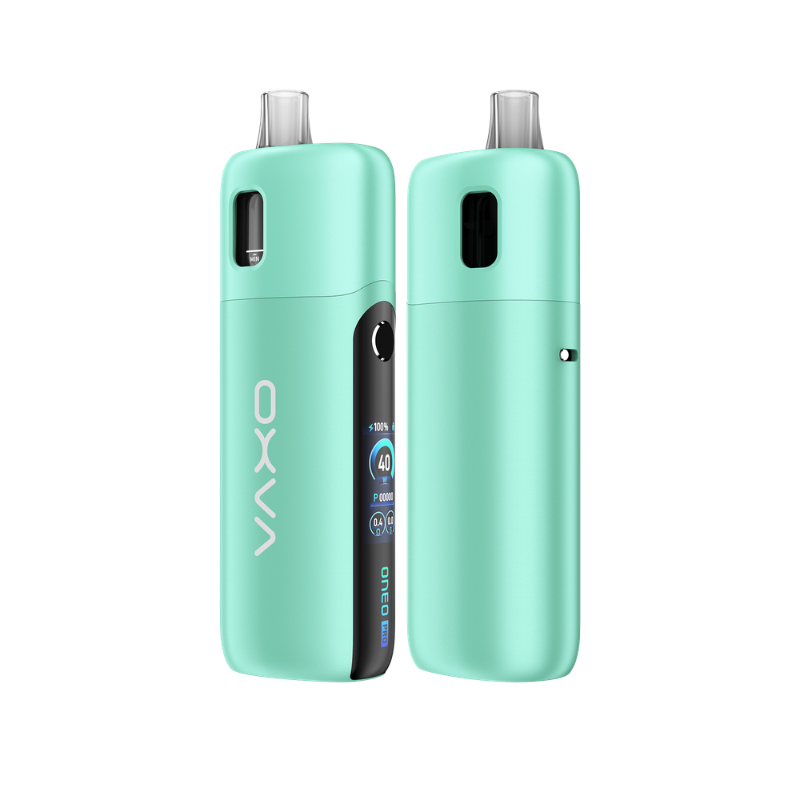
Product | OXVA Launches ONEO Pro in France, Upgrading Its Open-Pod Platform
Vape brand OXVA has introduced the ONEO Pro, a refillable open-pod system that entered the French market in July 2026. The device features a 2,100mAh battery, up to 40W output, a 4ml refillable cartridge, multiple coil options and a 0.96-inch color TFT display. The launch reflects continued performance upgrades within the refillable open-pod segment, with brands adding higher capacity, adjustable output and smarter device interaction.
Aug.03
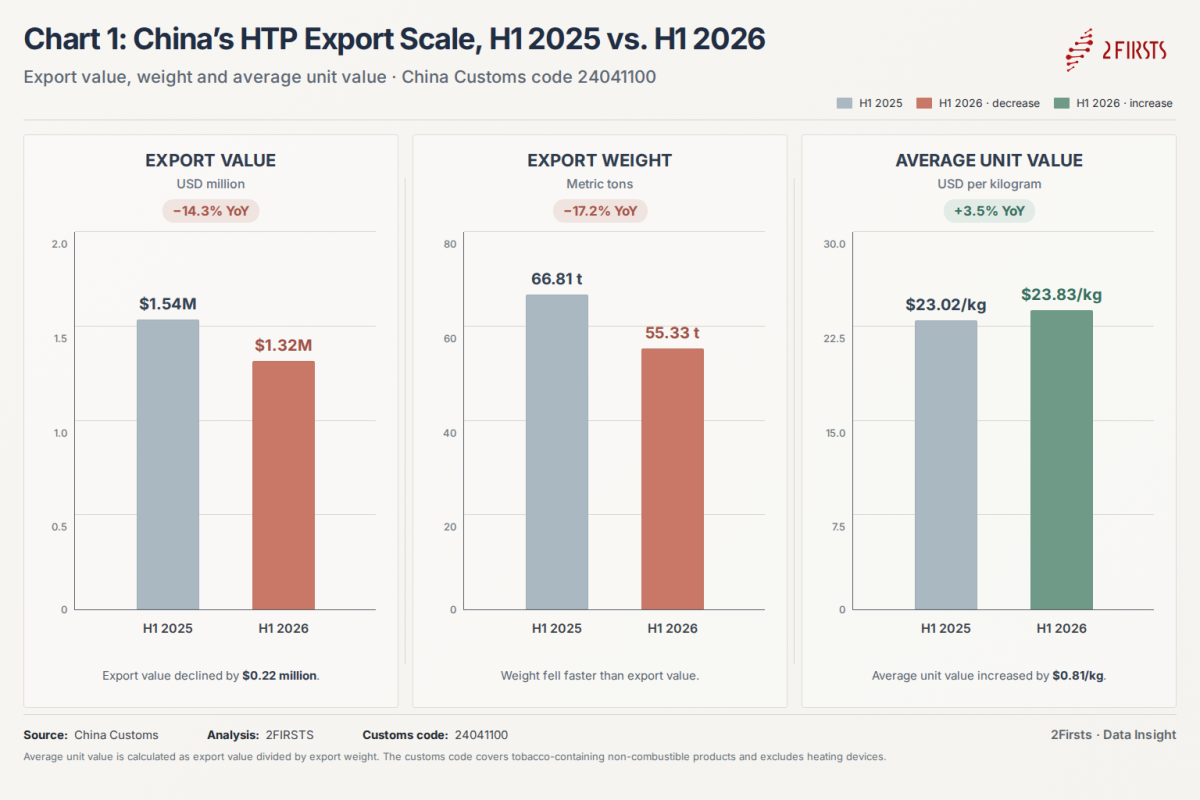
China’s HTP Exports Fell 14.3% in H1 2026 as Russia and Belarus Accounted for 76% Lead
In H1 2026, China’s HS 24041100 exports stood at $1.32 million, down 14.3% YoY, with volume falling 17.2% to 55.33 tons. Market distribution shifted drastically amid overall export drops. Exports to Russia and Belarus totaled $1 million, taking 76.0% of all shipments versus 29.5% in H1 2025. Belarus became the top destination with export value jumping 177.5%, while the Philippines, Singapore and Indonesia’s combined share slumped from 49.3% to 11.2%.Domestically, Yunnan led exporter registrations; Jiangsu and Shanghai were key suppliers, yet Anhui and Sichuan had no exports. Heavy concentration means order or declaration changes for Russia/Belarus greatly affect national aggregate data. The data shows customs entry points (not end markets), covering tobacco consumables only, excluding heating equipment and the complete HTP supply chain.
Aug.11
Kantar Study Finds More Than 93% of Vape Products in Ukraine Fail Regulatory Requirements
According to Interfax-Ukraine, a study conducted by market research firm Kantar Ukraine at the request of major tobacco companies found that more than 93% of vape products in Ukraine did not fully comply with regulatory requirements. The research examined product categories, brand distribution and consumer purchasing channels, showing that pod systems and disposable vapes represent major segments of the market, while offline retail remains the dominant purchasing channel. The findings highlight ongoing compliance challenges in Ukraine’s vape market.
Aug.26
Charlie’s Bets on Age-Gating and 678 PMTA Assets as U.S. Vape Enforcement Landscape Shifts
Charlie’s Holdings said in its latest shareholder letter that it is moving to commercialize PACHA products and monetize its PMTA assets as the FDA changes enforcement priorities for unauthorized ENDS products. Thirty PACHA SKUs were previously tentatively identified for a proposed public list of products that the FDA generally does not intend to prioritize for enforcement. Charlie’s is also preparing test-market sales of age-gated flavored disposables and says it currently holds 678 PMTA-related product assets while seeking additional strategic transactions and partnerships.
Sep.11