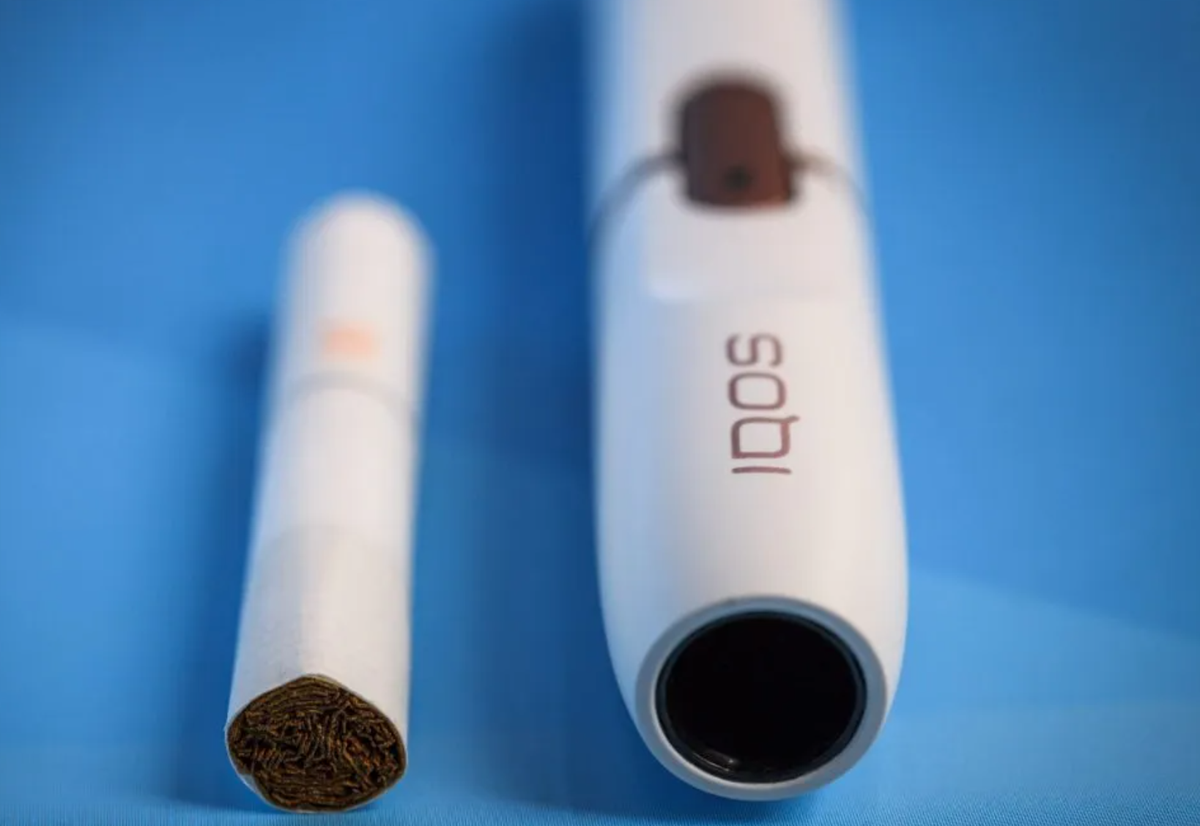
According to a report from African Business on December 28th, a senior executive from Philip Morris International (PMI) stated that PMI is developing a new, more affordable tobacco product aimed at providing an alternative for smokers in Africa.
Frederic de Wilde, CEO of PMI South Asia, Southeast Asia, CIS, Middle East, and Africa, stated at a technology innovation event in Abu Dhabi, UAE that although the smoke-free market in Africa is still in its early stages, consumers are very price-sensitive, which presents a business opportunity for the company.
The official pointed out that the initially launched new tobacco products were high-end products with high prices. Although they have achieved a certain market penetration in some economies, only 5% to 10% of consumers can afford them in many countries they are responsible for. In order to address this cost barrier, PMI is currently working on developing more affordable new tobacco products.
He stated that the company is developing a simple HNB device targeting the mid to low-end market through innovation. In the e-cigarette sector, the company is also developing product lines, hoping to achieve success in smokeless alternatives in emerging economies.
However, due to varying approaches to tobacco regulation in different countries, some policymakers have an ambiguous attitude towards smoke-free alternatives, often categorizing them together with traditional cigarettes.
Wald pointed out that gaining the trust of regulators requires educating them about new tobacco products. He emphasized that 11 independent national authorities, including the US FDA, have reviewed the scientific evidence, with the US FDA even granting authorization for their reduced risk tobacco products. Another important aspect of gaining the trust of African regulators is clearly communicating that these products are not targeted at new consumers, but designed for existing smokers with the goal of reducing their current health risks.
He believes that increasing awareness of smoke-free alternatives must first start with the authorities and then expand to consumers. To achieve this, there needs to be a relaxation of marketing restrictions on smoke-free alternatives in terms of information dissemination, and they should not be classified together with traditional cigarettes. He calls for giving the market freedom so that companies can interact with consumers and support them in trying new products to help transition to smoke-free alternatives.
We welcome news tips, article submissions, interview requests, or comments on this piece.
Please contact us at info@2firsts.com, or reach out to Alan Zhao, CEO of 2Firsts, on LinkedIn
Notice
1. This article is intended solely for professional research purposes related to industry, technology, and policy. Any references to brands or products are made purely for objective description and do not constitute any form of endorsement, recommendation, or promotion by 2Firsts.
2. The use of nicotine-containing products — including, but not limited to, cigarettes, e-cigarettes, nicotine pouchand heated tobacco products — carries significant health risks. Users are responsible for complying with all applicable laws and regulations in their respective jurisdictions.
3. This article is not intended to serve as the basis for any investment decisions or financial advice. 2Firsts assumes no direct or indirect liability for any inaccuracies or errors in the content.
4. Access to this article is strictly prohibited for individuals below the legal age in their jurisdiction.
Copyright
This article is either an original work created by 2Firsts or a reproduction from third-party sources with proper attribution. All copyrights and usage rights belong to 2Firsts or the original content provider. Unauthorized reproduction, distribution, or any other form of unauthorized use by any individual or organization is strictly prohibited. Violators will be held legally accountable.
For copyright-related inquiries, please contact: info@2firsts.com
AI Assistance Disclaimer
This article may have been enhanced using AI tools to improve translation and editorial efficiency. However, due to technical limitations, inaccuracies may occur. Readers are encouraged to refer to the cited sources for the most accurate information.
We welcome any corrections or feedback. Please contact us at: info@2firsts.com