Police in Kent County seize illegal tobacco and e-cigarettes

Aug.07.2024
Police in Kent County seize illegal tobacco and e-cigarettes
Kent police raided eight shops in Gravesend, uncovering illegal e-cigarettes, untaxed cigarettes, nicotine pouches, and tobacco hidden in secret compartments.

According to a report by the BBC on August 6th, Kent Police discovered illegal e-cigarettes, untaxed cigarettes, nicotine pouches, and tobacco in eight shops in Gravesend, England.
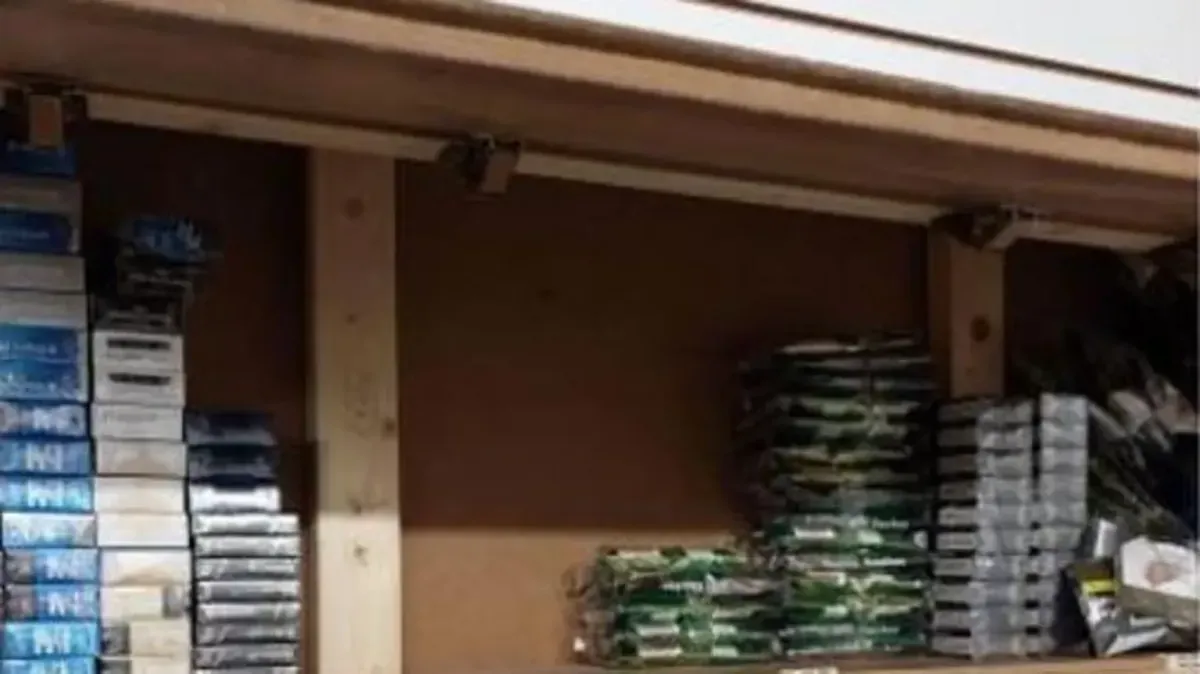
Police in Kent County seize illegal tobacco and e-cigarettes
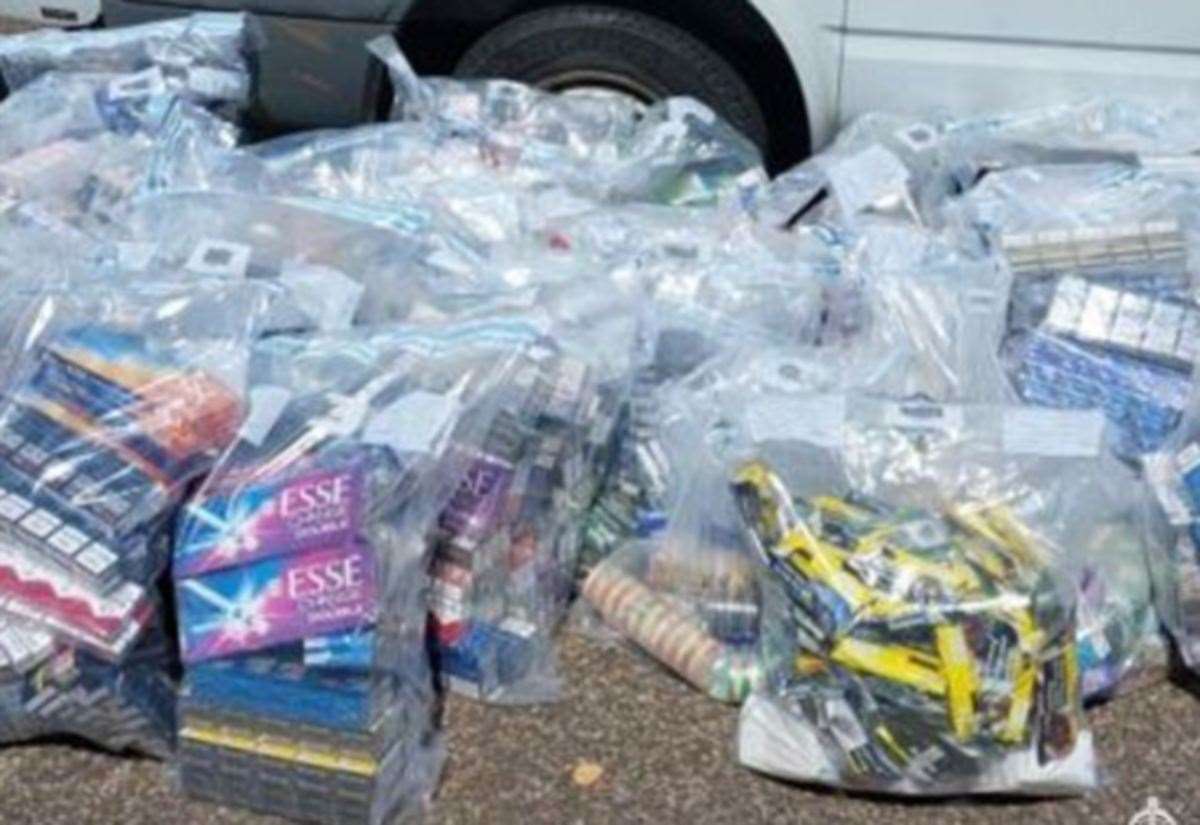
Gravesend Eight shops discovered illegal e-cigarettes, untaxed cigarettes, nicotine pouches, and tobacco. Image source: Kent Police Department.


These illegal items were found hidden behind a false wall and in other concealed areas of the store.


On Monday (5th), Kent Police, Kent Trading Standards, and the licensing department of Gravesham Borough Council conducted surprise inspections of these shops.


A police spokesperson stated that the authorities seized 881 illegal e-cigarettes, 44,180 illegal cigarettes, 126 nicotine pouches, and 8.65 kilograms of tobacco, as well as 103 packets of shisha.


Police Inspector Kirsty Dunne stated that...


This operation demonstrates the severity of the issue and the 'extreme measures' people take to avoid being caught. Selling illegal cigarettes and tobacco poses serious health risks to consumers and hinders law-abiding businesses.


In June, according to survey data released by Vape Superstore, one third of e-cigarettes sold in the UK between January 1st and February 29th 2023 did not meet regulations. Kent County Council confiscated the highest number of illegal e-cigarettes in the UK, totaling 431,005. Many of these illegal e-cigarettes entered through the European tunnel terminals and the port of Dover.


We welcome news tips, article submissions, interview requests, or comments on this piece.

Please contact us at info@2firsts.com, or reach out to Alan Zhao, CEO of 2Firsts, on LinkedIn


Notice

1.  This article is intended solely for professional research purposes related to industry, technology, and policy. Any references to brands or products are made purely for objective description and do not constitute any form of endorsement, recommendation, or promotion by 2Firsts.

2.  The use of nicotine-containing products — including, but not limited to, cigarettes, e-cigarettes, nicotine pouchand heated tobacco products — carries significant health risks. Users are responsible for complying with all applicable laws and regulations in their respective jurisdictions.

3.  This article is not intended to serve as the basis for any investment decisions or financial advice. 2Firsts assumes no direct or indirect liability for any inaccuracies or errors in the content.

4.  Access to this article is strictly prohibited for individuals below the legal age in their jurisdiction.


Copyright


This article is either an original work created by 2Firsts or a reproduction from third-party sources with proper attribution. All copyrights and usage rights belong to 2Firsts or the original content provider. Unauthorized reproduction, distribution, or any other form of unauthorized use by any individual or organization is strictly prohibited. Violators will be held legally accountable.

For copyright-related inquiries, please contact: info@2firsts.com


AI Assistance Disclaimer


This article may have been enhanced using AI tools to improve translation and editorial efficiency. However, due to technical limitations, inaccuracies may occur. Readers are encouraged to refer to the cited sources for the most accurate information.

We welcome any corrections or feedback. Please contact us at: info@2firsts.com

FDA Tobacco Proposal Signals Full-Chain Compliance Test for Global E-Cigarette Supply Chains
FDA’s proposed foreign tobacco establishment registration and product listing rule remains unfinished, but Accorto told 2Firsts it reflects a shift toward structured oversight similar to medical device and pharmaceutical compliance frameworks. For Chinese and global e-cigarette suppliers, U.S. market access is moving beyond product authorization toward full-chain compliance covering manufacturing, documentation, import control, distribution, retail and marketing discipline.
Special Report
Jul.09
French Anti-Tobacco Group Questions PMI’s IQOS “Curiosity” Campaign Over Potential Youth Appeal
According to French anti-tobacco group Générations Sans Tabac, Philip Morris International’s (PMI) IQOS “Curiosity” campaign has drawn attention from public health advocates. The group argues that the campaign uses themes including curiosity, exploration and lifestyle branding that could increase interest among younger audiences. PMI has positioned IQOS as a key part of its smoke-free product strategy, while France maintains strict restrictions on tobacco and nicotine product marketing. The debate highlights ongoing tensions between heated tobacco branding strategies and public health concerns in Europe.
Jul.24
BAT UK Director Tolga Kilic Says Illicit Nicotine Market Squeezes Legal Retailers Amid Rising Compliance Costs
UK retail publication Grocery Trader has published a viewpoint article from Tolga Kilic, Commercial Director for BAT UK & Ireland, discussing the impact of illicit nicotine products on legitimate retail channels. Kilic said illegal vapes and other illicit nicotine products create competitive pressure for compliant retailers and called for stronger market controls and supply-chain oversight. The comments come as the UK advances policies including the disposable vape ban and Vaping Products Duty, creating a more complex operating environment for legal vape retailers.
Jul.28
Russia Adds Vapes to “Strategic Goods” List, Illegal Cross-Border Trade Faces Up to Five Years in Prison
Russia will place e-cigarettes and related nicotine products under its “strategic goods” framework from August 20, 2026. According to TVP World’s report published on August 19, the newly listed items include e-cigarettes, electronic smoking devices, vape liquids and nicotine salts. Individuals who illegally move these products across Russia’s customs border or its state border with other Eurasian Economic Union (EAEU) members could face up to five years in prison if shipment values exceed 100,000 rubles (about €1,000), provided all elements of a criminal offence are established.
Aug.20
CCPIT Says Trade Friction Index for China-Related Electronics Sector Remains High, With Vape Products Among Areas of Focus
China Council for the Promotion of International Trade (CCPIT) held its July regular press conference on July 31, 2026, releasing the May 2026 Global Economic and Trade Friction Index. CCPIT spokesperson Yang Fan said the global trade friction index stood at 95 in May, remaining at a medium-to-high level. By industry, the electronics sector recorded the highest trade friction index among 13 monitored industries. In China-related trade frictions, the index stood at 93, with electronics products including drones, chips and vape products among areas where friction remained elevated.
Aug.03
California Lawmakers Pass Disposable Nicotine Vape Ban, With Sales Prohibition Set for 2028
According to CBS Los Angeles on August 27, 2026, California lawmakers have passed Assembly Bill 762, which would phase out disposable, battery-embedded nicotine vapes in the state. If signed by Governor Gavin Newsom, manufacturing and importation of the covered products would be prohibited beginning January 1, 2027, followed by a sales ban on January 1, 2028. Driven primarily by concerns over electronic waste, lithium-battery fires and environmental pollution, the legislation would further shift California’s legal vape market toward rechargeable, refillable or replaceable-pod devices.
Aug.28