According to a report from The Thaiger on July 20, Thai police recently raided a large warehouse in Lat Krabang and discovered over 60,000 illegal e-cigarette products worth 5 million Thai baht ($137,828). Two suspects were arrested.
Police carried out a raid on a three-story commercial building in the Phutthabucha area, which was disguised as a grocery store.
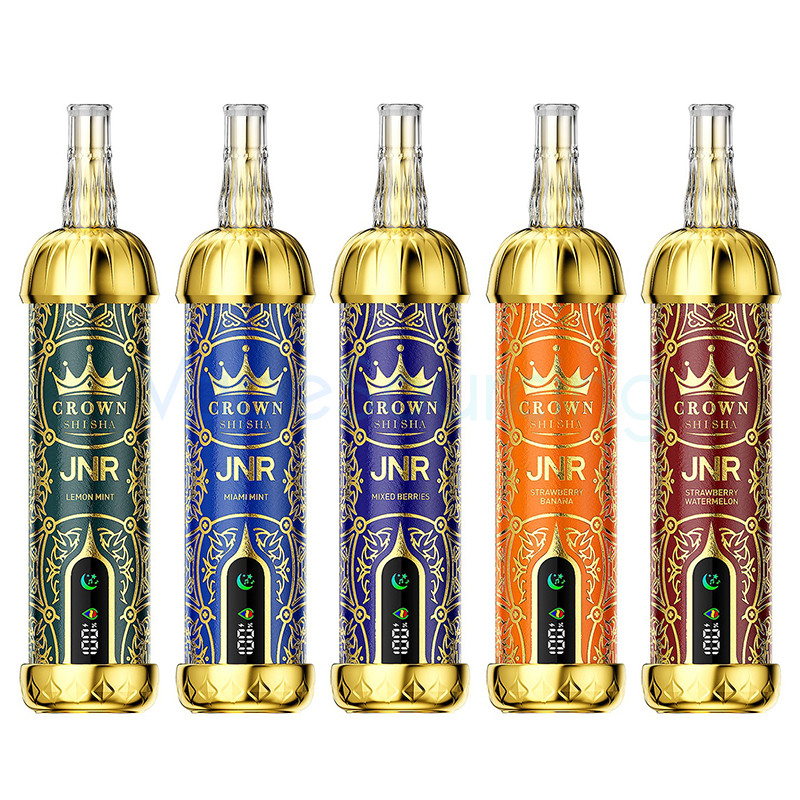
An investigation revealed that this commercial building was being used to store a large quantity of illegal e-cigarette products and related equipment. During the search, police seized over 60,000 items, including e-cigarettes, e-cigarette liquids, and e-cigarette accessories, with a total value of approximately 5 million Thai baht (137,828 US dollars).
After these products were confiscated, the suspects and seized items were handed over to investigators for further legal proceedings.
In Thailand, the use and sale of e-cigarettes are strictly regulated, and this raid is an important step in curbing illegal distribution.
This operation highlights the importance of inter-agency collaboration in combating illegal activities. We are committed to continuing to diligently enforce the law to protect public health.
The identities of the suspects have not been disclosed yet, as they are facing legal action for illegally storing and distributing e-cigarette products. The investigation is ongoing.
We welcome news tips, article submissions, interview requests, or comments on this piece.
Please contact us at info@2firsts.com, or reach out to Alan Zhao, CEO of 2Firsts, on LinkedIn
Notice
1. This article is intended solely for professional research purposes related to industry, technology, and policy. Any references to brands or products are made purely for objective description and do not constitute any form of endorsement, recommendation, or promotion by 2Firsts.
2. The use of nicotine-containing products — including, but not limited to, cigarettes, e-cigarettes, nicotine pouchand heated tobacco products — carries significant health risks. Users are responsible for complying with all applicable laws and regulations in their respective jurisdictions.
3. This article is not intended to serve as the basis for any investment decisions or financial advice. 2Firsts assumes no direct or indirect liability for any inaccuracies or errors in the content.
4. Access to this article is strictly prohibited for individuals below the legal age in their jurisdiction.
Copyright
This article is either an original work created by 2Firsts or a reproduction from third-party sources with proper attribution. All copyrights and usage rights belong to 2Firsts or the original content provider. Unauthorized reproduction, distribution, or any other form of unauthorized use by any individual or organization is strictly prohibited. Violators will be held legally accountable.
For copyright-related inquiries, please contact: info@2firsts.com
AI Assistance Disclaimer
This article may have been enhanced using AI tools to improve translation and editorial efficiency. However, due to technical limitations, inaccuracies may occur. Readers are encouraged to refer to the cited sources for the most accurate information.
We welcome any corrections or feedback. Please contact us at: info@2firsts.com