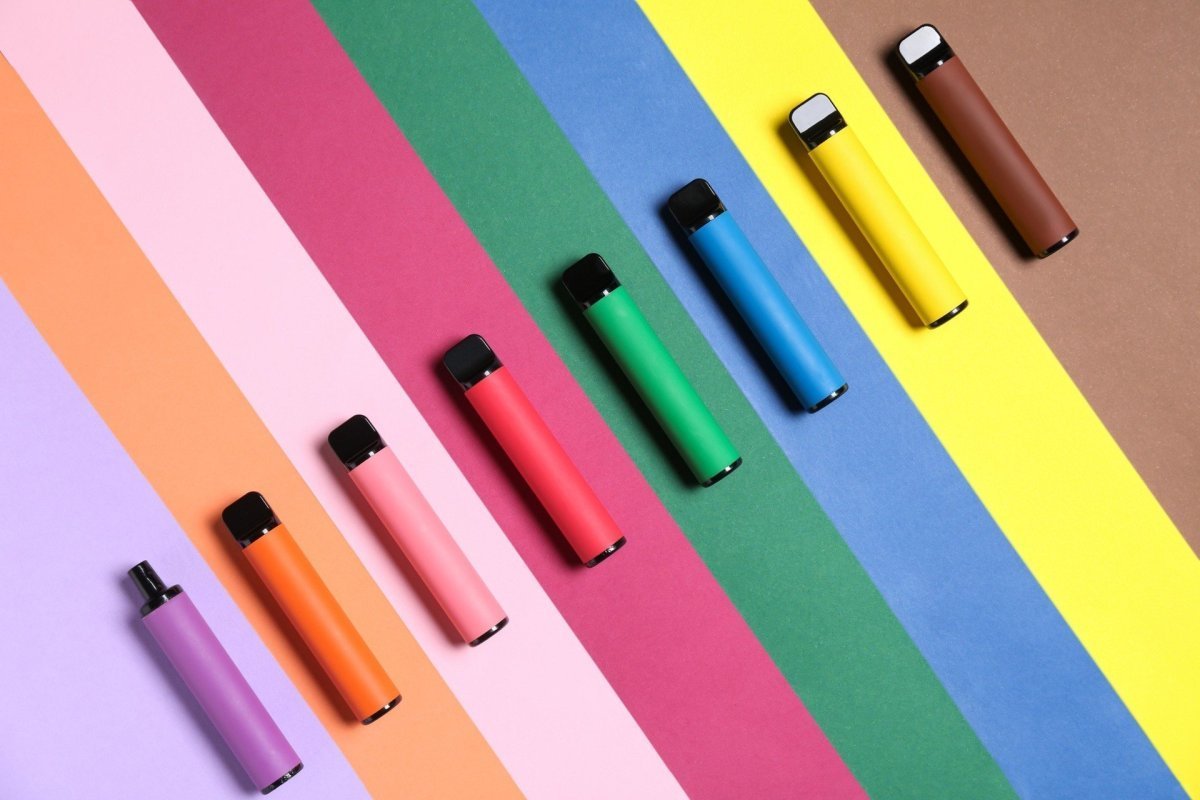
According to Polish media reports on July 9, the Polish government has not yet decided to completely ban e-cigarettes. In February of this year, the Polish Ministry of Health announced plans to ban the sale of disposable e-cigarette products before the summer, but as of now, the ban has not been immediately implemented. The government has only raised the legal age for purchasing such sweet-flavored stimulants, which has attracted significant attention from the public.
Last year, over 100 million disposable e-cigarettes were sold in Poland, with over 90% of them having flavors like fruit, beverages, or sweets, and most containing nicotine. These e-cigarettes are mostly imported from China, but due to their potential appeal to children, China has banned the sale of such products.
Deputy Minister of Health Wojciech Konieczny stated, "For disposable e-cigarettes, I believe that only strict prohibition can be successful. Otherwise, manufacturers will exploit loopholes in regulations, which will not achieve the desired effect." Health Minister Izabela Leszczyna went further, referring to the phenomenon of Polish teenagers using disposable flavored e-cigarettes as an "epidemic," adding that this ban is in line with EU directives to prohibit tobacco heating inserts flavored with mint and other additives.
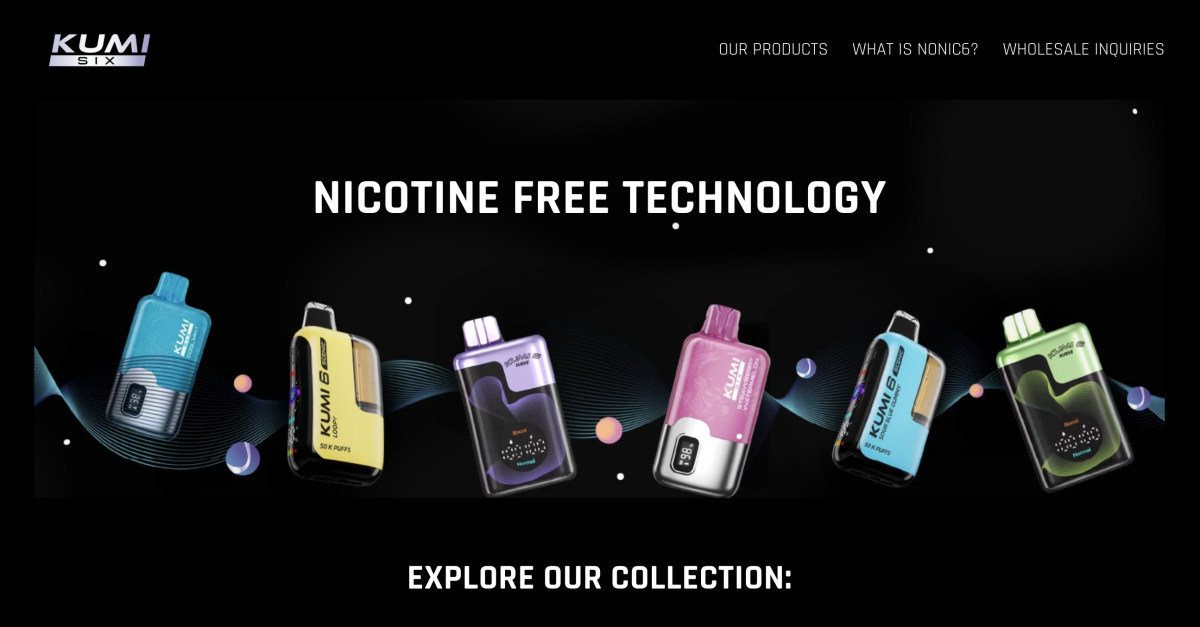
However, a recent restriction on the sale of disposable e-cigarettes without nicotine has appeared on the Polish government website, not a ban. The Ministry of Health hopes to restrict these products to individuals over the age of 18, similar to nicotine-containing products. However, the market monitoring center has pointed out that the market share of "zero nicotine" e-cigarettes is very small, with the majority of sales being nicotine-containing products. The Ministry of Health's new proposal only addresses part of the problem.
A study conducted by the Polish Medical Promotion Association has shown that over 37% of teenagers admit to smoking or using e-cigarettes. Monika Horna-Cieślak, the Polish Children's Ombudsman, is calling for urgent action to protect the health of children and teenagers, and is demanding a statement on the issue of banning flavored disposable e-cigarettes in Poland. This has sparked public attention and concern regarding the issue.
We welcome news tips, article submissions, interview requests, or comments on this piece.
Please contact us at info@2firsts.com, or reach out to Alan Zhao, CEO of 2Firsts, on LinkedIn
Notice
1. This article is intended solely for professional research purposes related to industry, technology, and policy. Any references to brands or products are made purely for objective description and do not constitute any form of endorsement, recommendation, or promotion by 2Firsts.
2. The use of nicotine-containing products — including, but not limited to, cigarettes, e-cigarettes, nicotine pouchand heated tobacco products — carries significant health risks. Users are responsible for complying with all applicable laws and regulations in their respective jurisdictions.
3. This article is not intended to serve as the basis for any investment decisions or financial advice. 2Firsts assumes no direct or indirect liability for any inaccuracies or errors in the content.
4. Access to this article is strictly prohibited for individuals below the legal age in their jurisdiction.
Copyright
This article is either an original work created by 2Firsts or a reproduction from third-party sources with proper attribution. All copyrights and usage rights belong to 2Firsts or the original content provider. Unauthorized reproduction, distribution, or any other form of unauthorized use by any individual or organization is strictly prohibited. Violators will be held legally accountable.
For copyright-related inquiries, please contact: info@2firsts.com
AI Assistance Disclaimer
This article may have been enhanced using AI tools to improve translation and editorial efficiency. However, due to technical limitations, inaccuracies may occur. Readers are encouraged to refer to the cited sources for the most accurate information.
We welcome any corrections or feedback. Please contact us at: info@2firsts.com