Regulations and Developments in E-cigarette Market (11.27-12.03)

Industry Insight by 2FIRSTS.ai
Dec.04.2023
Regulations and Developments in E-cigarette Market (11.27-12.03)
Australia to ban disposable e-cigarettes from 2024, allow doctors to prescribe them, and restrict imports.

On November 28th, the Australian Minister of Health, Mark Butler, announced a ban on disposable e-cigarettes entering Australia from January 2024. Furthermore, starting from January 2024, doctors and nurses in Australia will be granted the authority to prescribe e-cigarettes to patients, who will be able to purchase them at pharmacies. Additionally, as of March 2024, the importation of personal e-cigarettes will be prohibited, and the importation of non-therapeutic open systems will also be banned.


France has announced plans to increase the minimum price of cigarettes to 13 euros starting in 2026 and to prohibit the sale of disposable e-cigarettes, with the aim of shaping a "smoke-free generation" by 2032.


New Zealand abolishes smoking ban regulations, posing a threat to global anti-smoking efforts. Documents reveal that the new coalition government will only impose taxes on smoking products and reform regulations on alternatives such as e-cigarettes, including prohibiting disposable e-cigarettes and implementing stricter penalties for selling e-cigarettes to underage customers.


Recently, the UK government official website released a consultation report, which mentioned the most popular e-cigarette brands in the market as well as the average prices of e-cigarettes.


Russia will enforce stricter regulations on the distribution of e-cigarettes and related products by implementing a ban on unmarked products from December 1st. This move aims to enhance the management of tobacco product distribution.


On November 21, the "2023 Guangdong Manufacturing Top 500 Enterprises Research Report" was released at the 2023 Guangdong Manufacturing Top 500 Summit held in Foshan. The report revealed that seven companies involved in e-cigarette production were included in the list. These companies are Changying Precision, Wistron, Micron, Yinghe Technology, Jinkia Corporation, VOOPOO Technology, and FirstUnion Technology.


ELFBAR's e-cigarette recycling advertisement in the UK has been accused of being misleading by the Advertising Standards Authority (ASA) due to complaints from companies such as Imperial Tobacco, resulting in its ban. In response, ELFBAR has expressed its respect for ASA's decision and has taken measures to ensure stricter self-restraint in their advertising and marketing practices, as conveyed to 2FIRSTS.


ELFBAR and LOST MARY, two e-cigarette brands, have announced that they will cease producing flavored e-cigarettes that appeal to minors, and have urged the UK government to introduce a licensing system.


Turkish officials have seized a record-breaking 275,520 e-cigarettes and 35.2 kilograms of cocaine, marking the highest number of disposable e-cigarettes confiscated in history.


BAT Korea is anticipated to bring Vuse Go 800 e-cigarette to the entire Korean market, while in addition, PMI may introduce new e-cigarette products in the future.


MONS, an e-cigarette brand, is set to launch its new models MONS BILLOW BLACK and MONS BILLOW WHITE on December 6th.


E-cigarette brand LOST MARY plans to enter the Philippine market with the launch of their new high-capacity e-cigarette, the MO10000.


We welcome news tips, article submissions, interview requests, or comments on this piece.

Please contact us at info@2firsts.com, or reach out to Alan Zhao, CEO of 2Firsts, on LinkedIn


Notice

1.  This article is intended solely for professional research purposes related to industry, technology, and policy. Any references to brands or products are made purely for objective description and do not constitute any form of endorsement, recommendation, or promotion by 2Firsts.

2.  The use of nicotine-containing products — including, but not limited to, cigarettes, e-cigarettes, nicotine pouchand heated tobacco products — carries significant health risks. Users are responsible for complying with all applicable laws and regulations in their respective jurisdictions.

3.  This article is not intended to serve as the basis for any investment decisions or financial advice. 2Firsts assumes no direct or indirect liability for any inaccuracies or errors in the content.

4.  Access to this article is strictly prohibited for individuals below the legal age in their jurisdiction.


Copyright


This article is either an original work created by 2Firsts or a reproduction from third-party sources with proper attribution. All copyrights and usage rights belong to 2Firsts or the original content provider. Unauthorized reproduction, distribution, or any other form of unauthorized use by any individual or organization is strictly prohibited. Violators will be held legally accountable.

For copyright-related inquiries, please contact: info@2firsts.com


AI Assistance Disclaimer


This article may have been enhanced using AI tools to improve translation and editorial efficiency. However, due to technical limitations, inaccuracies may occur. Readers are encouraged to refer to the cited sources for the most accurate information.

We welcome any corrections or feedback. Please contact us at: info@2firsts.com

JTI Invests ₱2.1 Billion to Upgrade Batangas Manufacturing Hub, Adds First Southeast Asia DIET Facility
JTI Asia Manufacturing Corp. has invested ₱2.1 billion, or about $37 million, in its manufacturing site in Malvar, Batangas, Philippines, to expand tobacco-processing capabilities. About ₱1.9 billion is allocated to JTI's first Dry Ice Expanded Tobacco, or DIET, facility in Southeast Asia, while more than ₱177 million has been spent on expanding its Controlled Atmosphere treatment facility. The Batangas plant supplies the Philippine market and exports to 22 overseas markets, making it one of JTI's key manufacturing hubs in Asia.
Sep.24
U.S. Military Could Test Nicotine Pouches and Vapes for Smoking Cessation as Washington Examiner Cites ZYN and Potential $4 Billion Reduction in Related Defense Costs
The House-passed FY2027 National Defense Authorization Act includes a provision authorizing the defense secretary to conduct a one-year smoking-cessation pilot for active-duty service members. Section 707 lists counseling, nicotine gum and patches alongside what the bill calls "electric nicotine delivery systems," nicotine pouches and heat-not-burn products. A recent Washington Examiner op-ed cited ZYN as an example in arguing for the provision, but the legislation does not name any commercial brand or supplier. ZYN is made by PMI-owned Swedish Match USA, with specified products holding FDA marketing authorizations and modified risk orders.
Sep.20
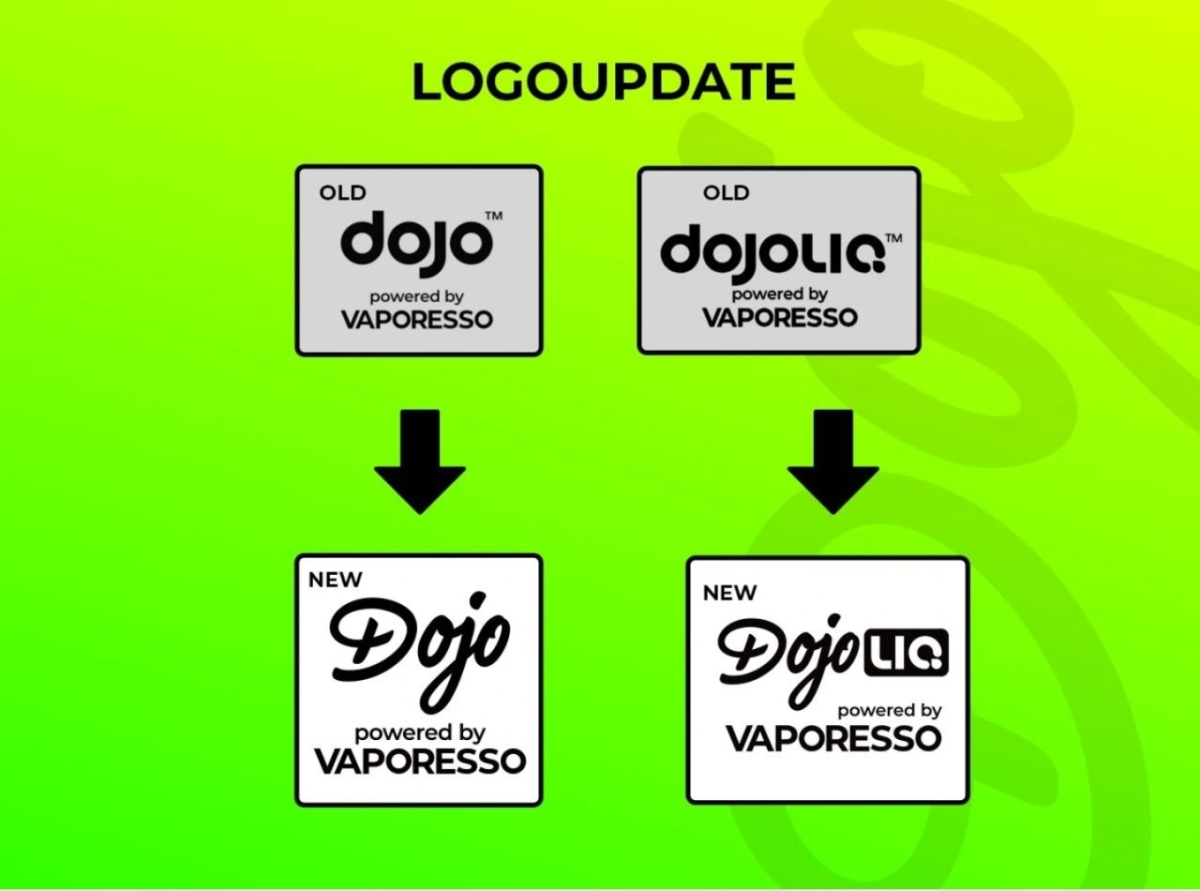
SMOORE’s DOJO by VAPORESSO to Launch New Global Brand Identity on September 1
According to recent LinkedIn posts from people at VAPORESSO, SMOORE and a German distribution partner, vape brand DOJO will begin rolling out a new global brand identity on September 1, 2026, led by a redesigned handwritten logo. The new visual system will be gradually applied across product packaging, marketing materials and digital assets over the following months. Fabio Corsaro, Head of Marketing and Purchasing at MG Wesel GmbH, said the rebrand was related to trademark issues, but that explanation has not been publicly confirmed by DOJO, VAPORESSO or SMOORE. DOJO is currently promoting its Blast X product in Germany.
Aug.31
PMI Expands U.S. ZYN Portfolio With New 1.5 mg and 8 mg Strengths, Moves Toward a Unified 20-Pouch-Per-Can Format
Philip Morris International is expanding its U.S. ZYN nicotine pouch portfolio with new 1.5 mg and 8 mg strengths and plans to move its core 3 mg and 6 mg dry-pouch products from 15 to 20 pouches per can in the fourth quarter of 2026. ZYN ULTRA is also commercially available, with FDA authorization covering 10 products at 9 mg and one 11 mg Smooth product. PMI U.S. lists the new 1.5 mg and 8 mg strengths as commercially available, but as of September 10 they do not appear on the FDA’s public authorization list. Public materials do not identify which PMTA submissions cover the two new strengths or their current review status.
Sep.11
Smoore Seeks to Toss CCELL Price-Fixing Claim as Court Weighs Vertical Distribution Versus Horizontal Conspiracy
Smoore and four authorized U.S. CCELL distributors are asking a California federal court to permanently dismiss a core antitrust claim brought by direct purchasers. Plaintiffs allege that Smoore coordinated minimum wholesale prices, customer allocation and limits on price competition among distributors, amounting to a per se unlawful horizontal conspiracy. The defendants say the alleged conduct reflects ordinary vertical relationships between a manufacturer and its distributors. The court previously dismissed a similar claim, and the latest dispute centers on whether the second amended complaint adds sufficient facts to establish a horizontal agreement.
Sep.14
As Regulators Focus on Nicotine Pouch Child Safety, Safeguard Pursues an External Packaging Route
As regulators pay closer attention to child safety in nicotine pouches, manufacturers face a practical challenge: how to strengthen child-resistant packaging without unnecessarily reworking products, production lines and regulatory submissions already in place. In a written interview with 2Firsts, Chemular detailed Safeguard’s external packaging approach, its customer-specific testing requirements and possible PMTA pathways. The model remains early-stage, but it offers a new way to think about an increasingly important regulatory and manufacturing issue.
Industry Insight
Sep.19