Russia Plans to Ban Sale of High-Nicotine Heated Tobacco Products

Sep.05.2024
Russia Plans to Ban Sale of High-Nicotine Heated Tobacco Products
Russia plans to ban sales of nicotine mixtures with over 3.5% content for heating tobacco devices from March 1, 2025.

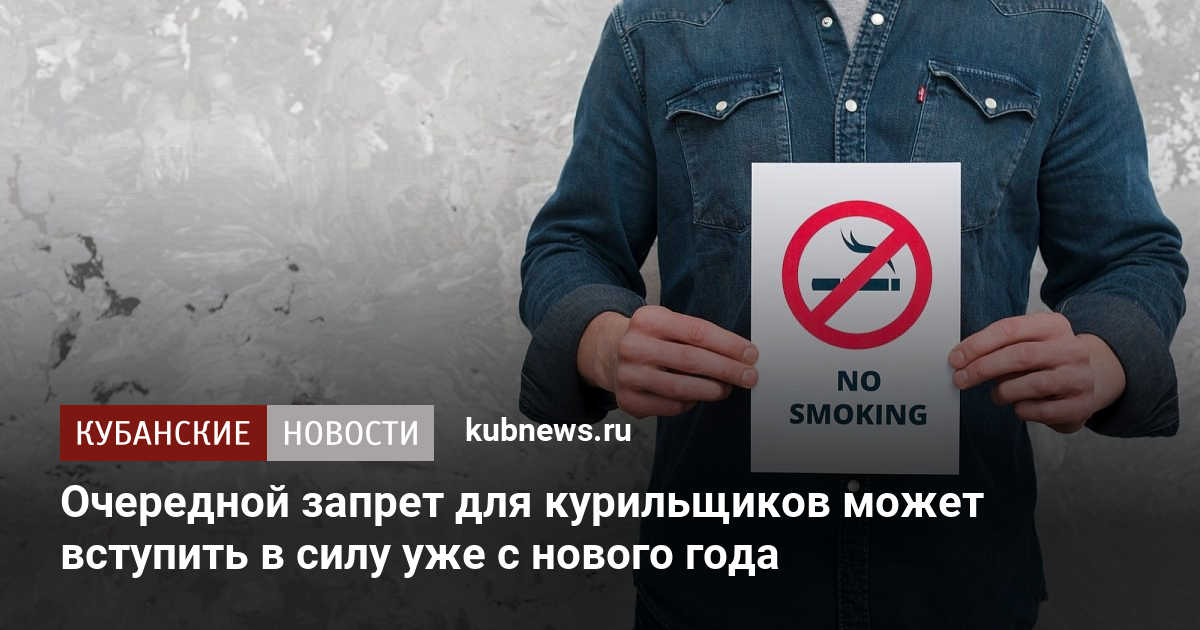
According to Kub News on September 5th, Russian government sources revealed that the government plans to ban the sale of smoke-free nicotine mixtures for heated tobacco devices with a nicotine content exceeding 3.5% starting from March 1, 2025. This amendment has been approved by the government's legislative committee.


The President of the Russian Bar Association (АЮР), Vladimir Gruzdev, has warned that this legal draft has passed its first reading at the end of June 2024.


The necessity of updating legislation and preventing any relaxation of measures to combat the consumption of tobacco products is based on the "Concept of the State Policy of the Russian Federation on Combating Tobacco and Nicotine Product Consumption" (up to 2035 and beyond).


According to this concept, the prevalence of nicotine use should not exceed 26.5% by 2024, and it is projected to decrease to 21% by 2035.


We welcome news tips, article submissions, interview requests, or comments on this piece.

Please contact us at info@2firsts.com, or reach out to Alan Zhao, CEO of 2Firsts, on LinkedIn


Notice

1.  This article is intended solely for professional research purposes related to industry, technology, and policy. Any references to brands or products are made purely for objective description and do not constitute any form of endorsement, recommendation, or promotion by 2Firsts.

2.  The use of nicotine-containing products — including, but not limited to, cigarettes, e-cigarettes, nicotine pouchand heated tobacco products — carries significant health risks. Users are responsible for complying with all applicable laws and regulations in their respective jurisdictions.

3.  This article is not intended to serve as the basis for any investment decisions or financial advice. 2Firsts assumes no direct or indirect liability for any inaccuracies or errors in the content.

4.  Access to this article is strictly prohibited for individuals below the legal age in their jurisdiction.


Copyright


This article is either an original work created by 2Firsts or a reproduction from third-party sources with proper attribution. All copyrights and usage rights belong to 2Firsts or the original content provider. Unauthorized reproduction, distribution, or any other form of unauthorized use by any individual or organization is strictly prohibited. Violators will be held legally accountable.

For copyright-related inquiries, please contact: info@2firsts.com


AI Assistance Disclaimer


This article may have been enhanced using AI tools to improve translation and editorial efficiency. However, due to technical limitations, inaccuracies may occur. Readers are encouraged to refer to the cited sources for the most accurate information.

We welcome any corrections or feedback. Please contact us at: info@2firsts.com

Mongolia Proposes Full Regulation of E-Cigarettes Under Tobacco Law
Mongolia’s Parliament has begun reviewing major amendments to the Tobacco Control Law, which would bring e-cigarettes and other new nicotine products under the same legal framework as traditional cigarettes. The bill also proposes a gradual increase in tobacco excise taxes through 2030 and new restrictions on flavors, marketing, and public smoking.
Nov.26 by 2FIRSTS.ai
KT&G Q3 Net Profit Up 73%; Overseas NGP Revenue Nearly Doubles, Nicotine Pouch Expansion Set to Launch Globally
KT&G reported its Q3 2025 financial results, posting revenue of KRW 1.83 trillion (≈USD 1.31 billion) and a 73.4% year-over-year surge in net profit—marking the company’s highest operating profit in five years. The Next Generation Product (NGP) segment performed strongly, generating KRW 279.1 billion (≈USD 199 million) in revenue, with overseas NGP sales more than doubling year-over-year.
Nov.06
Italian anti-trust agency investigates PMI's marketing of smoke-free products, company denies wrongdoing
Italian anti-trust agency investigates Philip Morris International's promotion of smoke-free products, questioning potentially misleading language.
Oct.16 by 2FIRSTS.ai
UK Launches Call for Evidence to Shape New Tobacco and Vapes Regulations
The UK's Department of Health and Social Care (DHSC) has launched an eight-week comprehensive call for evidence to inform new regulations under the forthcoming Tobacco and Vapes Bill, with a deadline of December 3, 2025. The initiative aims to systematically gather evidence on vape flavors, ingredients, nicotine levels, and product design, as well as proposals for an omnichannel retail licensing scheme for tobacco and vapes and a new product registration system.
Nov.04 by 2FIRSTS.ai
New Zealand Health Ministry launches e-cigarette and nicotine pod procurement project for smoking cessation services
Health NZ launches e-cigarette and nicotine pod procurement project for 29 government-funded smoking cessation services, following WHO guidelines.
Oct.15 by 2FIRSTS.ai
Malaysia’s Home Ministry Urges Study of IQOS Tobacco Device Ahead of Potential Legislation
Malaysia’s Home Ministry has recommended that the National Poison Centre conduct a study on the IQOS heated tobacco device, developed by a leading global tobacco company. Minister Datuk Seri Saifuddin Nasution Ismail said the research would help the government prepare future legislation addressing emerging nicotine technologies. While health risks remain uncertain, officials stress the need for proactive, adaptable legal frameworks.
Nov.27 by 2FIRSTS.ai