Spotsylvania County to Update Zoning Regulations and Design Standards

Regulations by 2FIRSTS.ai
Apr.25.2024
Spotsylvania County to Update Zoning Regulations and Design Standards
The Spotsylvania County Board hasn't updated zoning rules in nearly 30 years, with a surge in e-cigarette shops prompting action.

According to a report by the Fredericksburg Free Press on April 24th, the Spotsylvania County Board of Supervisors in Virginia has not updated its zoning regulations and design standards manual in nearly 30 years.


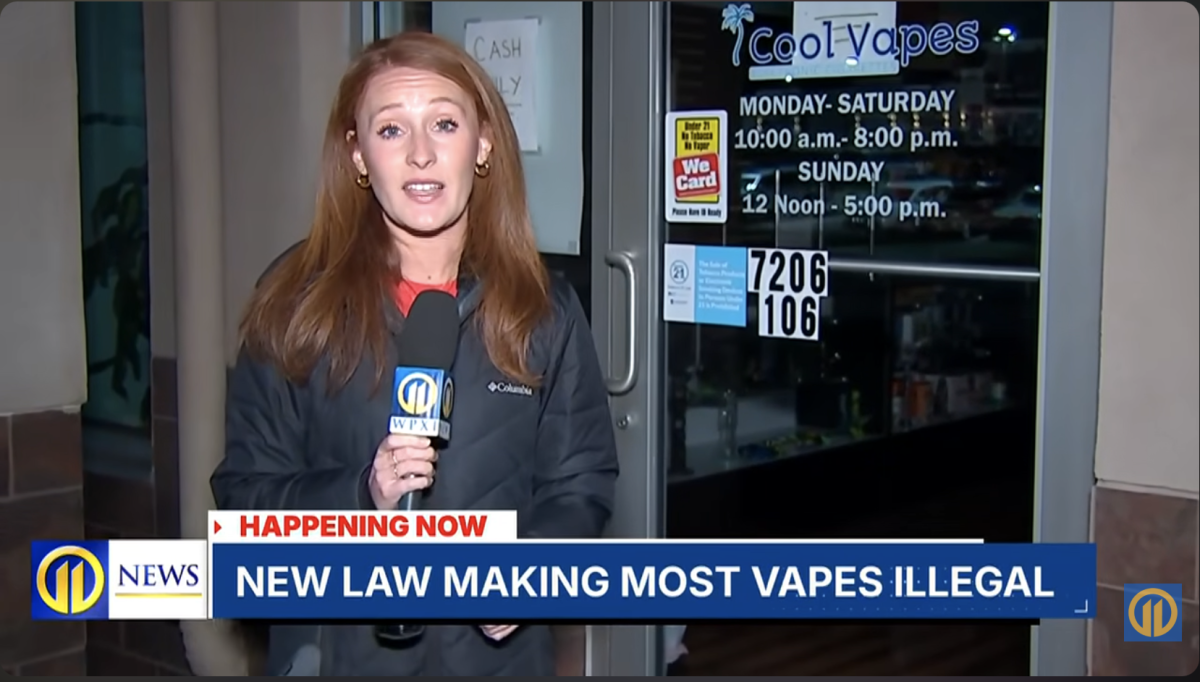
Since 1995, there have been significant changes in development and land use patterns in the county, with a sharp increase in the number of e-cigarette stores countywide.


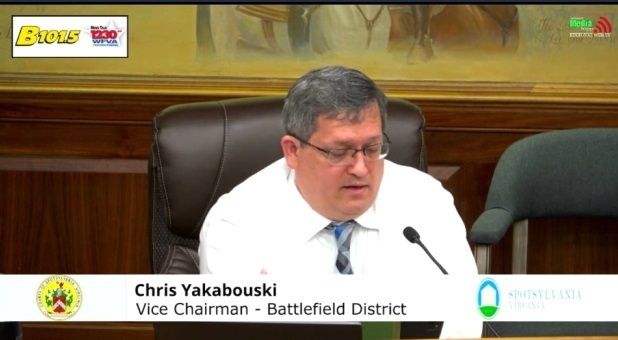
On Tuesday, during a joint working meeting, the County Supervisory Board and Planning Committee listened to a report from The Berkeley Group, anticipating the adoption of new zoning guidelines and design standards manual by the summer of 2025. The Supervisory Board explicitly stated that they will restrict the number of e-cigarette shops and marijuana pharmacies.


The Berkeley group visited the new development in the county on Tuesday (23rd). On Wednesday (24th), they held a meeting with stakeholders in the county, including engineers, surveyors, lawyers, and citizens who make up the development community, to complete the final part of the investigation process.


The drafting meetings with the Planning Committee are set to begin in June and will be held regularly until the final adoption phase begins early next year.


We welcome news tips, article submissions, interview requests, or comments on this piece.

Please contact us at info@2firsts.com, or reach out to Alan Zhao, CEO of 2Firsts, on LinkedIn


Notice

1.  This article is intended solely for professional research purposes related to industry, technology, and policy. Any references to brands or products are made purely for objective description and do not constitute any form of endorsement, recommendation, or promotion by 2Firsts.

2.  The use of nicotine-containing products — including, but not limited to, cigarettes, e-cigarettes, nicotine pouchand heated tobacco products — carries significant health risks. Users are responsible for complying with all applicable laws and regulations in their respective jurisdictions.

3.  This article is not intended to serve as the basis for any investment decisions or financial advice. 2Firsts assumes no direct or indirect liability for any inaccuracies or errors in the content.

4.  Access to this article is strictly prohibited for individuals below the legal age in their jurisdiction.


Copyright


This article is either an original work created by 2Firsts or a reproduction from third-party sources with proper attribution. All copyrights and usage rights belong to 2Firsts or the original content provider. Unauthorized reproduction, distribution, or any other form of unauthorized use by any individual or organization is strictly prohibited. Violators will be held legally accountable.

For copyright-related inquiries, please contact: info@2firsts.com


AI Assistance Disclaimer


This article may have been enhanced using AI tools to improve translation and editorial efficiency. However, due to technical limitations, inaccuracies may occur. Readers are encouraged to refer to the cited sources for the most accurate information.

We welcome any corrections or feedback. Please contact us at: info@2firsts.com

As JUUL2 Wins FDA Authorization, Harm Reduction Journal Highlights the Role of Real-World Evidence in Nicotine Product Regulation
A commentary published in the international open-access, peer-reviewed Harm Reduction Journal argues that randomized controlled trials remain central to evaluating smoking cessation efficacy but cannot alone capture real-world uptake, complete switching, longer-term use and population impact of non-combustible nicotine products such as e-cigarettes, heated tobacco and nicotine pouches. The authors frame impact as “reach × efficacy” and call for real-world evidence to complement RCTs. Three days after publication, the FDA authorized three JUUL2 products and highlighted complete switching among adult smokers in explaining its decision, providing a timely regulatory backdrop to the debate.
Sep.08
PMI Global Communications Chief Moira Gilchrist: Why AI Matters More Than Ever in the Smoke-Free Transition
Philip Morris International (PMI) Chief Global Communications Officer Moira Gilchrist said artificial intelligence is changing how companies understand audiences, manage owned information channels and communicate business transformation. PMI is using AI-generated audience personas to test messaging while optimizing its corporate website and other owned channels for large language models. As PMI continues its transition from cigarettes toward smoke-free products, Gilchrist said owned data and corporate channels are becoming increasingly important in demonstrating the scale of that transformation.
Aug.26
Product | Summo 150K Introduces Refillable Design With Up to 150,000 Puffs, Exploring a New High-Capacity Vape Format
Summo has introduced the Summo 150K Refillable Disposable Vape, entering the ultra-high-puff vape segment with a claimed capacity of up to 150,000 puffs. The device combines a 40ml dual e-liquid system, transparent tank design, dual mesh coils and a 900mAh rechargeable battery, using a refillable structure to differentiate itself from conventional disposable vapes. The product appeared on overseas online retail channels including Vapesourcing and VapeBarTime between late June and early July 2026.
Jul.22
Malaysia Withdraws Appeal Against Liquid Nicotine Ruling as Vape Regulation Framework Enters New Phase
Malaysia’s government has withdrawn its appeal against a High Court ruling concerning the regulatory status of liquid nicotine used in vape and e-cigarette products, according to reports by New Straits Times, Free Malaysia Today and CodeBlue on August 18, 2026. The Kuala Lumpur High Court ruled on May 15 that the government’s decision to remove liquid nicotine from the scheduled poisons list under the Poisons Act 1952 was irrational and made without proper consultation with the Poisons Board. The withdrawal ends the government’s appeal process, while the future regulatory framework for nicotine vape products remains under discussion.
Aug.21
Spain Plans to Extend Smoking Ban to Terraces and Beaches, Bringing Vapes Under New Restrictions
Spain is advancing a new tobacco-control reform that would expand smoking restrictions to additional public spaces, including restaurant terraces and beaches, while bringing vaping and other nicotine products into the same regulatory framework. The proposed measures aim to reduce secondhand smoke exposure, protect young people and expand smoke-free environments. The proposal remains under legislative development, and final implementation details have not yet been confirmed.
Jul.23
China’s Zhengzhou Tobacco Research Institute develops end-to-end heated tobacco analysis to trace aerosol compound origins
The Zhengzhou Tobacco Research Institute of China National Tobacco Corporation has filed a patent application for an end-to-end method to analyze the migration and transformation of chemical compounds in heated tobacco products. Using GC-Orbitrap/MS non-targeted analysis, the method compares tobacco substrate and aerosol samples to distinguish compounds transferred directly from the substrate from those newly formed during heating, while also calculating transfer rates. In an example involving nine heated tobacco products, the patent identified 17 newly formed thermal decomposition compounds and 38 transferred compounds.
Aug.13