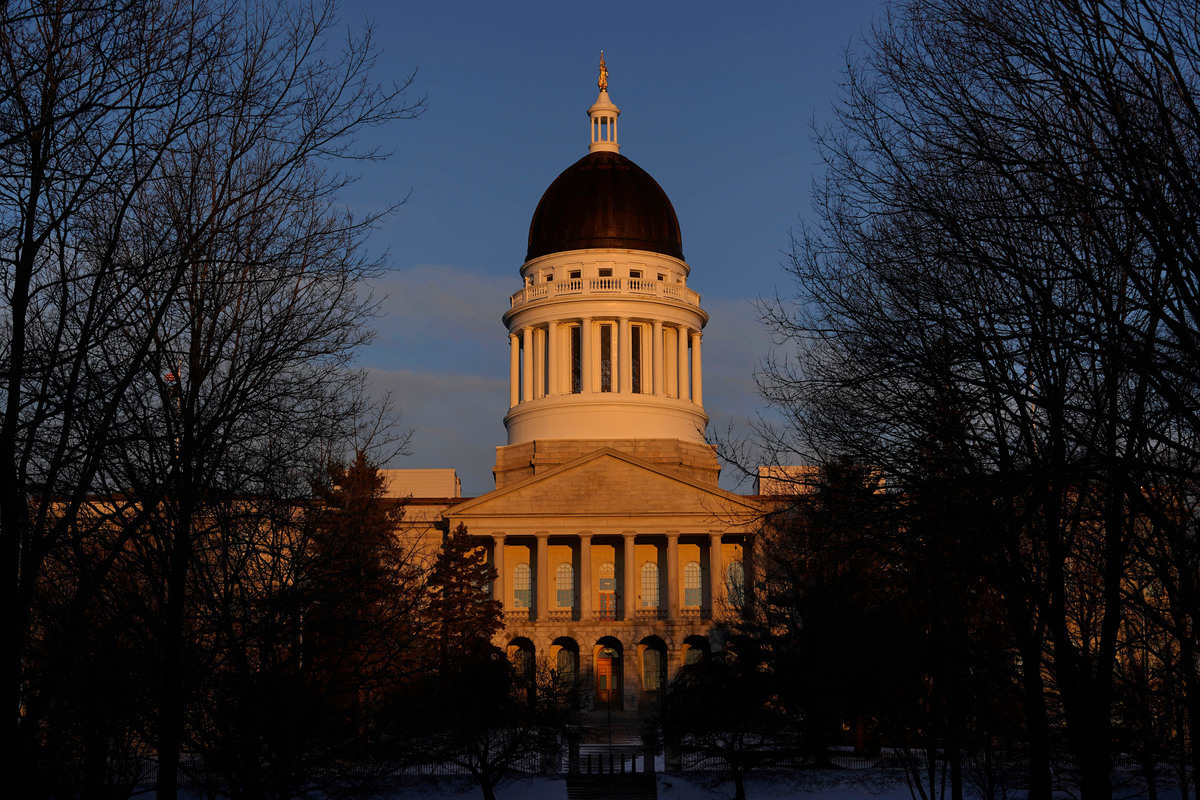
According to the American media outlet BangOrDailyNews reported on May 21, despite over $100,000 in lobbying efforts and the support of a bipartisan coalition, lawmakers in Maine were still unable to pass a bill banning the sale of flavored tobacco products this year.
For a long time, Maine has been trying to ban the sale of flavored e-cigarettes and other tobacco products, but the bill never came to a vote in the House during a short session that ended in May this year. Despite the bill being passed by a slim margin in the Senate last year, sponsored by Democratic Senator Jill Duson from Portland, lawmakers did not support it.
According to reports, the Dusen bill was originally planned to be implemented in 2025 and was expected to result in a loss of approximately $10 million in tax revenue for Maine, with this amount projected to skyrocket to around $24 million per year in the next two years. However, compared to the proposed ban in the 2021 budget agreement, this amount seems insignificant.
Despite this year's legislation being stalled, based on lobbying expenditure calculations, no other legislation has had more spending than this bill. According to records provided by the Maine Ethics Commission, outside groups have invested approximately $158,000 in lobbying efforts to either support or oppose the Dusen legislation.
A significant portion of the funding came from a national anti-smoking group, who spent $125,000 on advertising to support the Dusen Act. However, on the final day of the conference, the bill did not face a vote, possibly due to Democratic lawmakers from rural areas opposing similar past legislation for the second time.
The Alliance for Tobacco Control with a Child-Friendly Flavor stated that the reason the bill did not pass was because some lawmakers sided with American tobacco companies, prioritizing corporate profits over "the health of children," according to spokesperson Dan Cashman.
Charlie Summers, chairman of the Maine Energy Business Association, said that opponents welcome the move, but they are hoping that "this misleading legislation can be overturned through a vote of the legislature, the bottom line is, the ban is ineffective.
According to records from the Maine Ethics Commission, various groups have hired lobbyists to support or oppose the bill, ranging from the American Cigar Association to the Maine Medical Association and health organizations like the American Lung Association. This includes high-profile companies like the Altria Group based in Richmond, Virginia, and the Smoke-Free Life campaign organization in Washington D.C., showcasing their financial influence.
We welcome news tips, article submissions, interview requests, or comments on this piece.
Please contact us at info@2firsts.com, or reach out to Alan Zhao, CEO of 2Firsts, on LinkedIn
Notice
1. This article is intended solely for professional research purposes related to industry, technology, and policy. Any references to brands or products are made purely for objective description and do not constitute any form of endorsement, recommendation, or promotion by 2Firsts.
2. The use of nicotine-containing products — including, but not limited to, cigarettes, e-cigarettes, nicotine pouchand heated tobacco products — carries significant health risks. Users are responsible for complying with all applicable laws and regulations in their respective jurisdictions.
3. This article is not intended to serve as the basis for any investment decisions or financial advice. 2Firsts assumes no direct or indirect liability for any inaccuracies or errors in the content.
4. Access to this article is strictly prohibited for individuals below the legal age in their jurisdiction.
Copyright
This article is either an original work created by 2Firsts or a reproduction from third-party sources with proper attribution. All copyrights and usage rights belong to 2Firsts or the original content provider. Unauthorized reproduction, distribution, or any other form of unauthorized use by any individual or organization is strictly prohibited. Violators will be held legally accountable.
For copyright-related inquiries, please contact: info@2firsts.com
AI Assistance Disclaimer
This article may have been enhanced using AI tools to improve translation and editorial efficiency. However, due to technical limitations, inaccuracies may occur. Readers are encouraged to refer to the cited sources for the most accurate information.
We welcome any corrections or feedback. Please contact us at: info@2firsts.com